Source-led article
WhatsApp Plus Features: Users Seek Utility Over ‘Bling,’ Says MediaNama Analysis
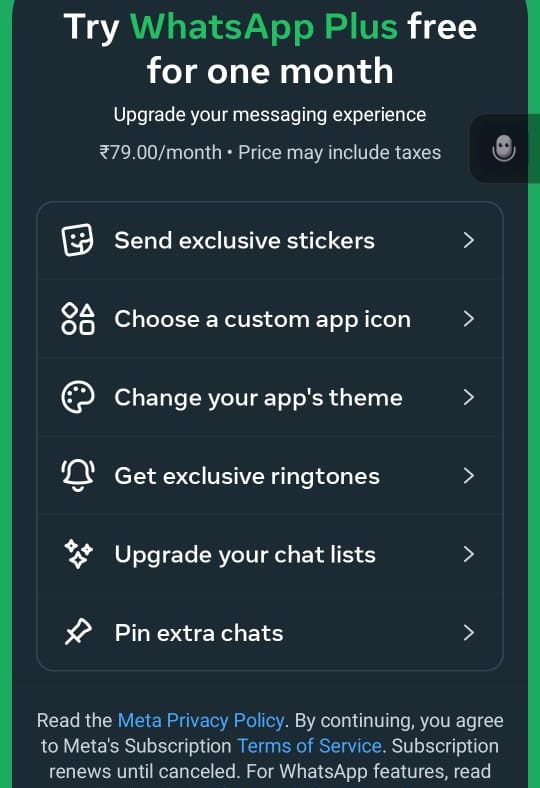
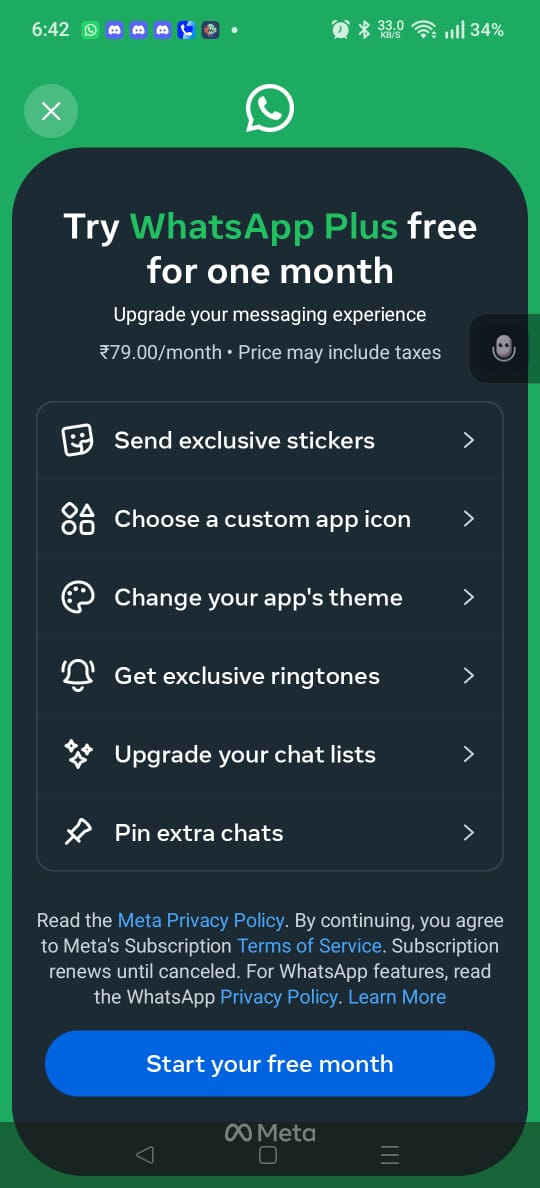
A recent analysis published by MediaNama critically assesses the proposed features for “WhatsApp Plus,” arguing that the messaging platform is focusing on cosmetic enhancements (“bling”) rather than practical utility. The article draws a comparison with YouTube Premium, highlighting a user preference for features that reduce noise and increase signal, rather than superficial additions. This perspective suggests a potential misalignment between WhatsApp’s development priorities and user needs in the Indian market.
The core argument posits that WhatsApp’s current direction, as indicated by the “Plus” features, leans towards a “social media mindset” rather than that of a messaging app. Features such as custom app icons, stickers, different themes, ringtones, and expanded pinned chats are identified as largely unnecessary by the author. The analysis suggests that while these elements might appeal to some, the broader user base seeks improvements in functionality and a less cluttered experience.
Key facts
| Aspect | Detail |
|---|---|
| Source | MediaNama |
| Publication Date | June 21, 2026 |
| Core Argument | WhatsApp Plus features prioritize “bling” over user utility |
| Comparison | YouTube Premium’s focus on user-centric utility |
What WhatsApp Users Actually Want
According to the MediaNama piece, what users truly desire from a messaging application like WhatsApp is “lower noise, higher signal.” This implies a demand for features that enhance communication efficiency, privacy, and control over the user experience, rather than decorative elements. The article speculates that features such as enhanced privacy controls, advanced search capabilities, or more robust spam filtering might be more valuable to users.
The article explicitly states a preference for features that would genuinely improve the messaging experience. While specific desired features are not detailed, the emphasis on “utility” over “bling” points towards practical enhancements that address common user frustrations or streamline daily communication. This could include better notification management, improved group chat controls, or more efficient content organization.
The YouTube Premium Analogy
The MediaNama analysis uses YouTube Premium as a benchmark for successful user-centric development. YouTube Premium offers an ad-free experience, background playback, and offline downloads—features that directly address common pain points and enhance the core utility of the platform. This model, the article suggests, is what WhatsApp should emulate: identifying and solving actual user problems rather than adding superficial layers.
For Indian users and businesses relying on WhatsApp for communication and digital marketing, this critique is particularly relevant. The platform’s direction impacts how individuals and companies interact, share information, and manage their digital presence. A focus on utility could lead to more efficient business communications, better customer engagement, and a generally improved user experience that benefits both personal and professional use cases.
Implications for Digital Marketing and AI Tools
From a digital marketing and AI tools perspective, a WhatsApp that prioritizes utility could open up new avenues for integration and efficiency. Imagine AI-powered summarization of long chats, intelligent filtering of business messages, or seamless integration with CRM systems. If WhatsApp were to focus on such practical enhancements, it could significantly impact how AI tools are leveraged for communication management and customer interaction within the platform.
The current emphasis on “social media mindset” features, however, might limit these opportunities. Digital marketers often seek platforms that offer robust, practical tools for engagement and analytics, and superficial features do not typically contribute to these goals. A shift towards utility could make WhatsApp an even more powerful tool for businesses in India, aligning with the growing demand for efficient, data-driven communication strategies.