Source-led article
The AI-Powered Shift in Indian SEO: Adapting to Google’s SGE
The landscape of search engine optimisation (SEO) in India is on the cusp of a significant transformation, driven primarily by Google’s ongoing experimentation with Search Generative Experience (SGE). This AI-powered evolution promises to fundamentally alter how users interact with search results and, consequently, how Indian businesses need to approach their digital visibility. For marketers, founders, and agencies across the country, understanding and adapting to SGE is no longer optional but a critical imperative for sustained online presence.
This shift moves beyond traditional keyword matching, pushing towards a more nuanced understanding of user intent and the provision of synthesised, direct answers. While SGE is still in its experimental phase in India and other regions, its implications are profound. Businesses that prepare now by focusing on authoritative content, user experience, and a deeper grasp of generative AI’s capabilities will be better positioned to thrive in this new search paradigm.
Why SGE Matters for Indian Marketers
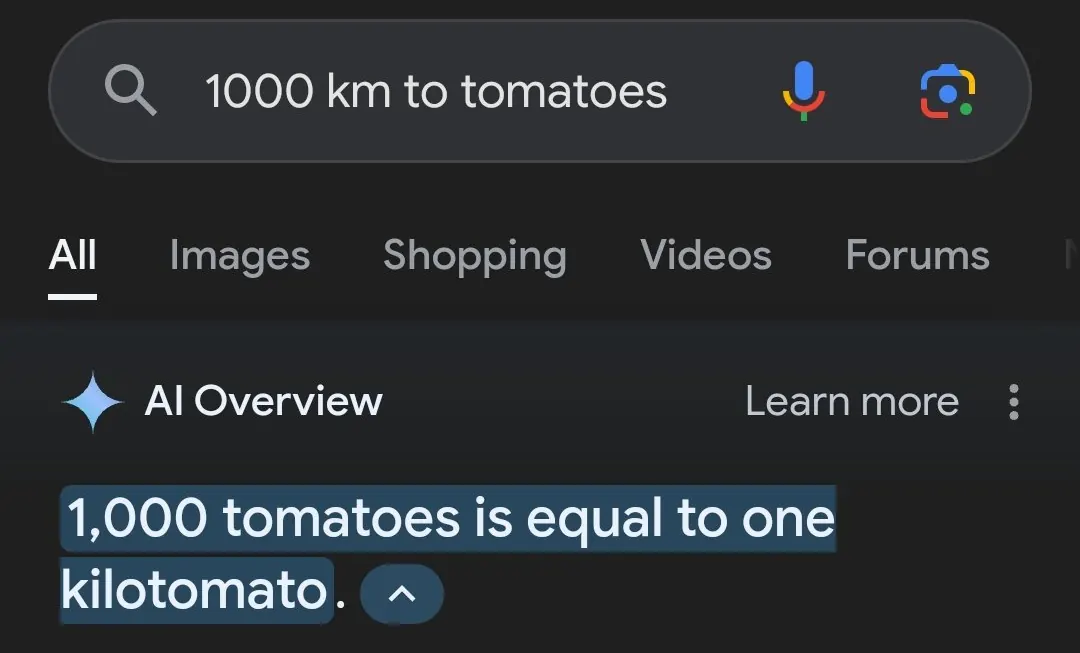
Google’s SGE aims to provide users with direct, AI-generated summaries at the top of the search results page, often before traditional organic listings. This means fewer clicks to websites if the AI summary sufficiently answers the user’s query. For India, a market with diverse languages, varying internet speeds, and a rapidly expanding digital user base, the impact could be even more pronounced. Users seeking quick information might rely heavily on these summaries, especially when connectivity is a concern or when navigating complex topics.
The official Google Search Central Blog has detailed SGE’s goal: “to help you get the gist of things, so you can explore new topics more easily and quickly.” As SGE refines its ability to synthesise information from multiple sources, the competition for appearing within these AI-generated snapshots—or being cited as a source within them—will intensify. This challenges traditional SEO tactics that primarily focused on ranking for specific keywords in the organic blue links.
What Sources Show About SGE’s Impact
Early observations and Google’s own documentation suggest several key shifts. Firstly, the emphasis on E-E-A-T (Experience, Expertise, Authoritativeness, Trustworthiness) will become even more critical. Google has consistently highlighted E-E-A-T as a core component of its ranking algorithms, and with generative AI summarising information, the credibility of the source material is paramount. Unofficial statements from Google’s search liaison, Danny Sullivan, often reiterate that SGE draws on high-quality web content, reinforcing the need for authoritative sources.
Secondly, SGE is likely to favour content that is comprehensive, well-structured, and provides clear, unambiguous answers to potential user queries. Content that excels in answering “what,” “how,” and “why” questions directly and accurately is more likely to be leveraged by the AI for its summaries. This means a move away from keyword-stuffed, thin content towards genuinely helpful, in-depth resources.
A recent analysis by Search Engine Land noted that SGE often cites its sources. This presents a new opportunity for brands to be recognised as authorities within their niche, even if the user doesn’t click through immediately. Being cited by SGE can build brand recognition and establish expertise, potentially leading to future direct traffic or conversions.
Workflow Impact for Indian Businesses
The advent of SGE necessitates a re-evaluation of current SEO and content marketing workflows for Indian businesses.
- Content Strategy Overhaul: The focus must shift from simply ranking keywords to becoming the definitive source for answers within a niche. This involves creating highly detailed guides, answering frequently asked questions comprehensively, and publishing original research or data that Google’s AI can trust and summarise. For local businesses, this means creating content that addresses specific Indian contexts, regional nuances, and local queries.
- Technical SEO Importance: While content is king, technical SEO remains the foundation. Ensuring crawlability, indexability, and mobile-friendliness allows Google’s AI to properly access and understand your content. Schema markup, in particular, can help specify the nature of your content (e.g., FAQs, how-to articles, product details), making it easier for SGE to extract relevant information.
- E-E-A-T Reinforcement: Actively showcasing the experience, expertise, authoritativeness, and trustworthiness of authors and the organisation behind the content is crucial. This includes author bios with relevant credentials, transparent “About Us” pages, clear contact information, and robust citation practices. For Indian startups, this means building a strong online reputation and demonstrating genuine value to their audience.
- Monitoring & Adaptation: SGE is still evolving. Indian marketers need to actively monitor their search performance, analyse which types of queries trigger SGE snippets, and observe whether their content is being cited. Tools that track SERP features will become indispensable.
Limits and Counterarguments
Despite the hype, SGE is not without its limitations and potential counterarguments. One significant concern is the accuracy of AI-generated summaries. As acknowledged by Google, generative AI can sometimes hallucinate or provide incorrect information. This instability means that relying solely on SGE for all queries might not satisfy users, especially for critical decisions or complex topics.
Furthermore, SGE might not fully capture the nuance required for certain queries, particularly those related to local Indian culture, traditions, or highly specific regional services. Human-curated content, personal testimonials, and community discussions might still hold significant sway in these areas. The “Explore” links within SGE summaries, which direct users to original sources, indicate that Google still values direct engagement with web pages.
Another point of contention is the potential reduction in organic click-through rates. If SGE answers queries directly, it could lead to fewer visitors reaching websites. This means businesses will need to rethink their conversion funnels, perhaps focusing more on brand building and direct engagement channels parallel to SEO efforts.
What Indian Marketers Should Test Next
As SGE rolls out more broadly, Indian marketers should immediately begin experimenting with these strategies:
| Strategy Area | Actionable Steps | Expected Outcome |
|---|---|---|
| Content Depth | Create comprehensive guides, FAQs, and detailed articles. | Increase likelihood of being cited in SGE or providing direct answers. |
| E-E-A-T Signals | Enhance author bios, “About Us” pages, and expert endorsements. | Improve content credibility for AI summarisation. |
| Structured Data | Implement relevant Schema markup (FAQPage, HowTo, Article). | Help SGE understand and extract key information efficiently. |
| Query Analysis | Identify queries likely to trigger SGE and tailor content. | Optimise for visibility within the generative experience. |
| User Experience | Ensure fast loading times, mobile-friendliness, clear navigation. | Retain users who click through from SGE or other search features. |
Indian businesses should start by auditing their existing content for comprehensiveness and E-E-A-T signals. Focus on creating new content that directly answers specific questions in an authoritative manner. Experiment with different types of structured data to see how it influences SGE’s ability to interpret and use your content. Finally, closely monitor search analytics for changes in traffic patterns and SERP features that indicate SGE’s influence. The future of Indian SEO is generative, and proactive adaptation is key.