
Source-led article
Nvidia’s New Cooling System Targets Data Centre Water Use, But AI’s Broader Water Problem Persists
TITLE: Nvidia’s New Cooling System Targets Data Centre Water Use, But AI’s Broader Water Problem Persists
SLUG: nvidia-new-cooling-system-data-centre-water-use-ais-broader-water-problem
EXCERPT: Nvidia has introduced a warm-water cooling system designed to significantly reduce water consumption within data centres. However, critics argue this innovation sidesteps the larger issue of AI’s substantial water footprint tied to fossil fuel-based electricity generation.
CATEGORY: news
TAGS: Nvidia, data centers, AI, water usage, sustainability, cooling systems, fossil fuels
SEO_TITLE: Nvidia’s New Cooling System for Data Centres: A Partial Solution to AI’s Water Footprint
SEO_DESCRIPTION: Explore Nvidia’s new warm-water cooling system aimed at data centres and why experts believe it only partially addresses the overall water consumption challenge posed by AI, particularly concerning energy sources.
MEDIA_QUERY: Nvidia’s New Cooling System Targets Data Centre Water Use, But AI’s Broader Water Problem Persists
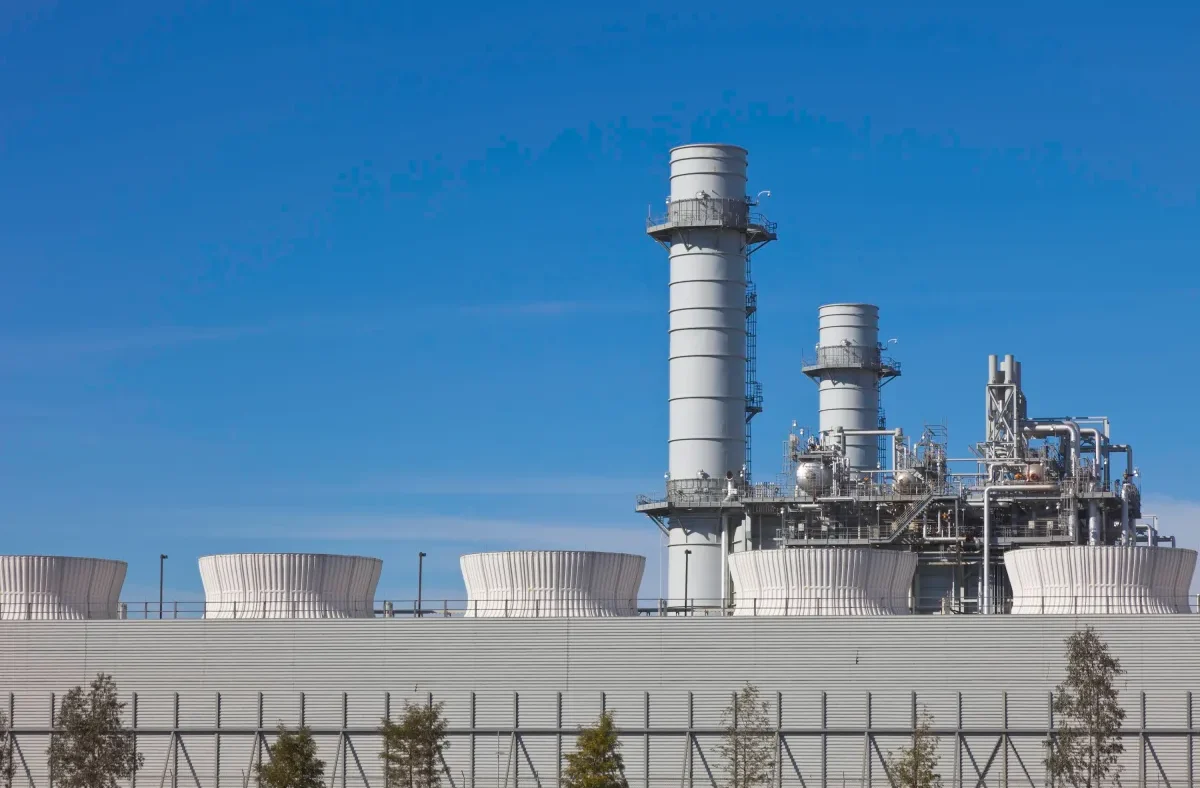
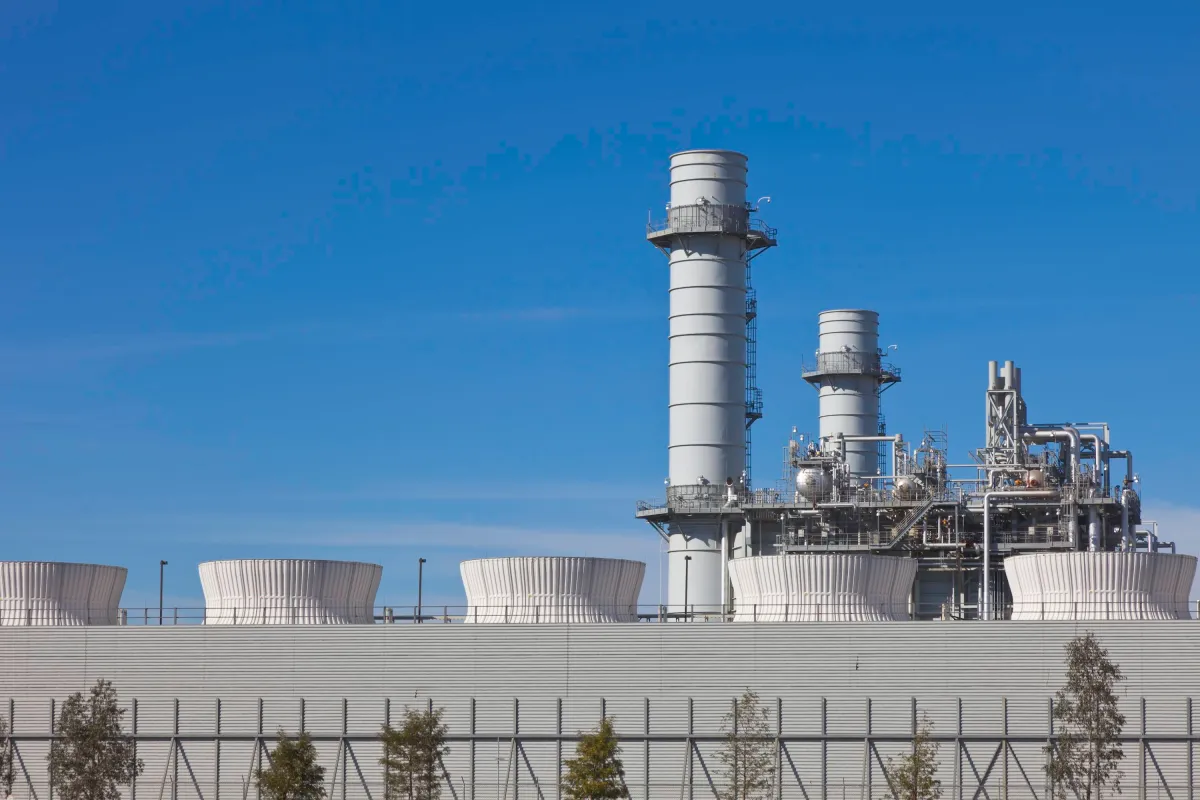
IMAGE_ALT: Illustration of a data center with advanced cooling systems, highlighting water efficiency efforts.
Nvidia, a leading technology company, has unveiled a new warm-water cooling system aimed at drastically cutting water usage within data centres. While the company touts this as a significant step towards sustainability, experts caution that it addresses only a fraction of the artificial intelligence (AI) industry’s overall water consumption problem. The core of the debate lies in what constitutes “water use” for AI data centres, particularly concerning the energy sources that power them.
Nvidia’s chief sustainability officer, Josh Parker, indicated that the new system could virtually eliminate internal data centre water usage, stating that “the water consumption challenge for data centers is largely solved.” The system operates on a closed-loop principle, requiring a single fill and recirculating the coolant for the facility’s lifespan, potentially leading to a 100% reduction in on-site water use in suitable climates.
The Innovation in Data Centre Cooling
The new cooling system circulates coolant at 45°C (113°F) through server racks. After absorbing heat from the computer chips, the coolant emerges at 55°C (131°F). This elevated temperature allows for heat dissipation through passive radiators in most climates, negating the need for evaporative cooling or even fans. Such a system would not only conserve water but also enhance efficiency and reduce noise levels within data centres.
This technological advancement focuses on the water consumed directly within the data centre for cooling purposes. Nvidia’s approach, according to its blog post, draws a clear boundary around the physical data centre, counting internal consumption while largely overlooking external factors.
The Unaddressed External Water Footprint
Despite Nvidia’s advancements, a significant portion of AI’s water footprint remains unaddressed. The problem primarily stems from the water used in generating electricity for these data centres, especially when powered by fossil fuels. Water consumption from electricity generation and chip manufacturing can double or even triple a facility’s total water footprint. This means Nvidia’s solution might only tackle between a quarter to a third of AI data centres’ total water consumption.
Fossil fuel power plants are notorious for their high water usage, primarily for evaporative cooling. In the U.S. alone, they consume 2.7 billion gallons of water daily, as reported by the U.S. Geological Survey. Natural gas plants, for instance, use 1.17 litres of water per kilowatt-hour (kWh) of electricity, while coal plants are even more water-intensive at 2.2 litres per kWh.
Energy Sources and Their Water Intensity
The choice of energy source for data centres profoundly impacts their water footprint. According to the International Energy Agency (IEA), fossil fuel power plants currently supply about half of all data centre power. While hydropower dams contribute around 10% of data centre power, their reservoirs can lead to significant water loss through evaporation, estimated at 6.8 litres per kWh generated.
In contrast, renewable energy sources like wind and solar power have a much lower water intensity. Wind power uses approximately 0.01 litres per kWh, and solar power uses about 0.03 litres per kWh. These figures include the water required for manufacturing and cleaning solar panels. Although renewables are growing, the IEA projects that natural gas and coal will still account for over 40% of the new electricity needed to meet data centre demand through 2030. Without a substantial shift in energy sourcing, data centres will continue to consume vast amounts of water, regardless of internal cooling efficiencies.
What remains unclear
While Nvidia’s new cooling system promises significant reductions in on-site water use, the company has not yet clarified how it plans to address the broader water consumption associated with the electricity generation that powers AI data centres. The effectiveness of this solution in truly mitigating AI’s environmental impact hinges on the energy mix adopted by data centre operators.
Key Data Points on Data Centre Water Use
| Detail | Description This is a news article about the latest advancements in AI and its impact on the environment.
Nvidia’s Solution: A Closer Look
Nvidia’s new warm-water cooling system is designed to significantly reduce the water used in data centers. The company claims it can virtually eliminate internal water consumption by using a closed-loop system where coolant is recirculated. This system reportedly cools chips by running liquid at 45°C (113°F) and returning it at 55°C (131°F), allowing for passive heat dissipation and reducing the need for traditional cooling towers that rely on evaporation.
The Broader Challenge of AI’s Water Footprint
While Nvidia’s innovation addresses the direct water use within data centers, it does not tackle the substantial water footprint associated with electricity generation. Many AI data centers are powered by electricity generated from fossil fuels, which are highly water-intensive. For instance, natural gas power plants use 1.17 liters of water per kilowatt-hour, and coal plants use 2.2 liters per kilowatt-hour. This external water consumption can drastically outweigh the savings achieved within the data center itself.
The Role of Energy Sources
The choice of energy source is critical to understanding AI’s overall water impact. Renewable energy sources like wind and solar power use significantly less water compared to fossil fuels. Wind power consumes about 0.01 liters per kilowatt-hour, and solar power uses approximately 0.03 liters per kilowatt-hour. The continued reliance on fossil fuels for data center power, projected to be over 40% of new electricity demand by 2030, means that the water problem for AI will persist unless there’s a broader shift to renewables.
What Remains Unclear
Nvidia’s announcement focuses on the technological solution for on-site water reduction but does not detail strategies to address the indirect water consumption linked to power generation. The effectiveness of this new cooling system in truly mitigating AI’s environmental impact will depend heavily on the energy sourcing decisions made by data center operators and the broader energy transition towards less water-intensive power generation.
Source: https://techcrunch.com/2026/06/22/nvidia-wants-to-cut-data-center-water-use-but-thats-not-the-same-as-fixing-ais-water-problem/
Datos clave
| Punto | Detalle |
|---|---|
| Fuente | TechCrunch AI |
| Fecha | 2026-06-22T20:08:15+00:00 |
| Tema | Nvidia wants to cut data center water use, but that’s not the same as fixing AI’s water problem |