Source-led article
SoftBank CEO Masayoshi Son Questions Elon Musk’s Orbital Data Center Vision
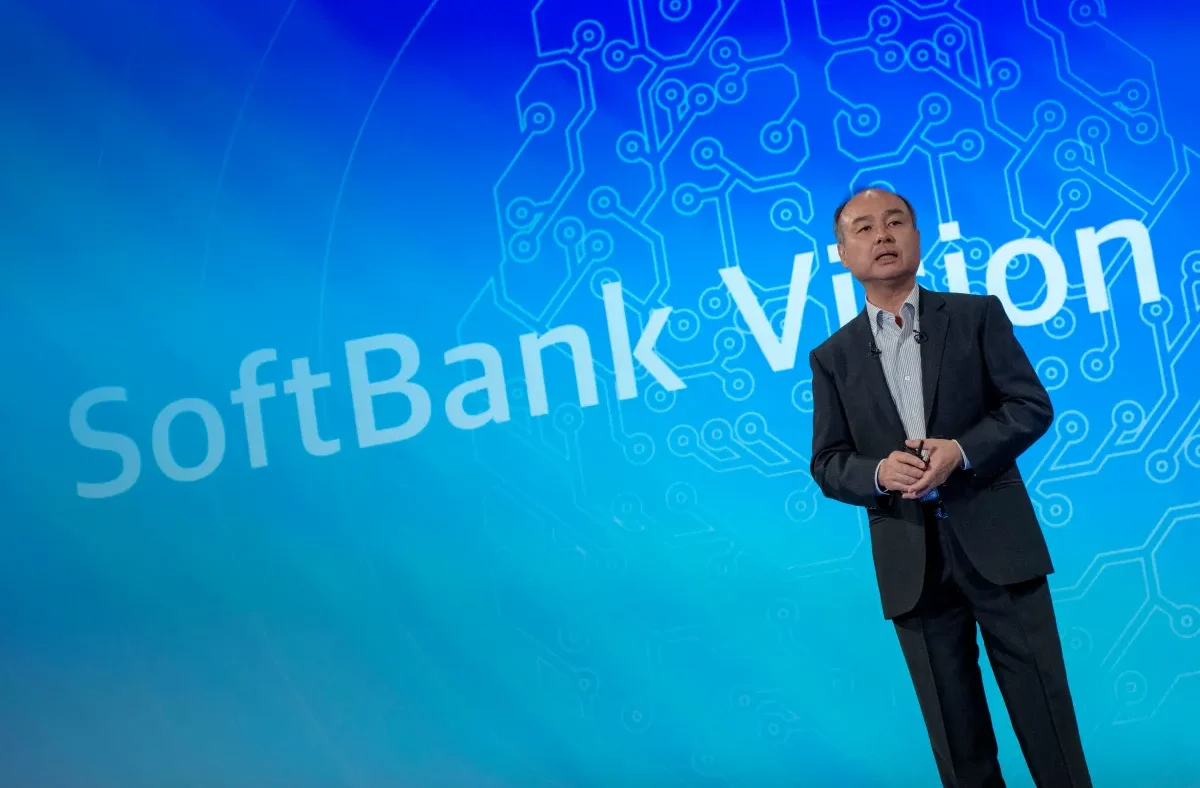
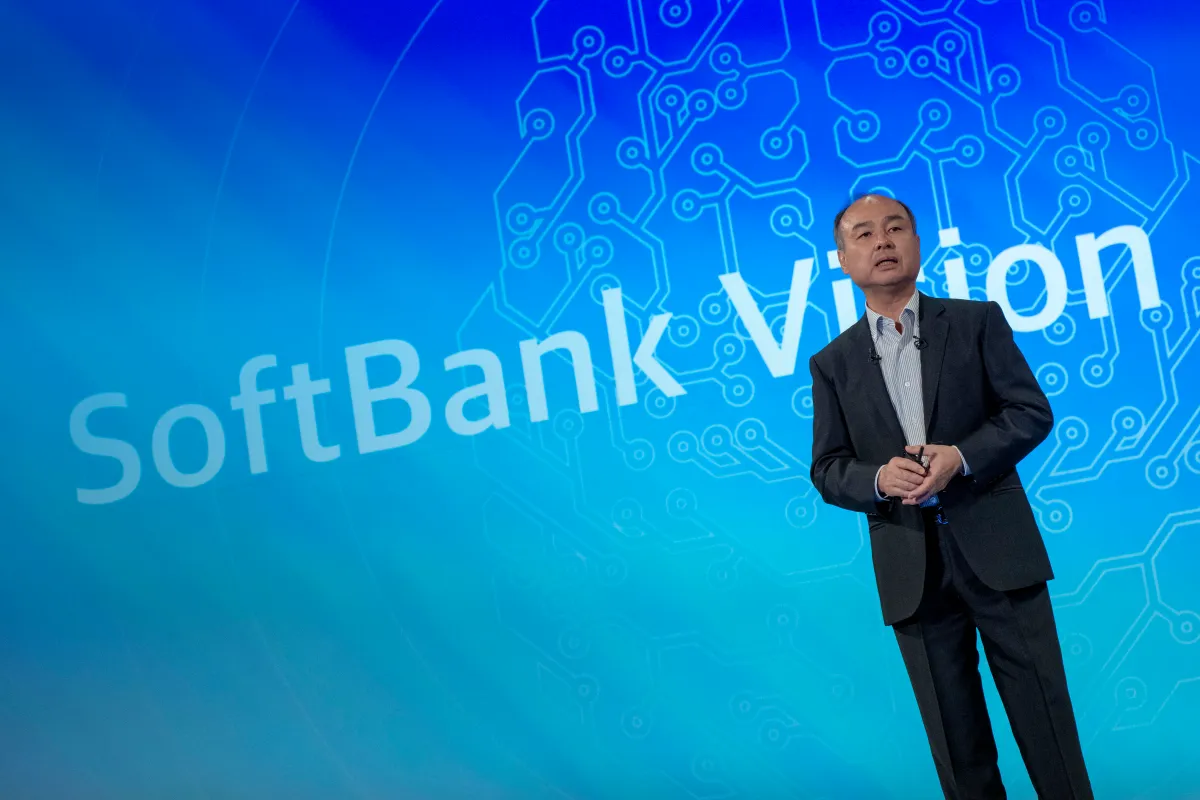
Masayoshi Son, founder and CEO of SoftBank, has voiced skepticism regarding Elon Musk’s ambitious proposal for orbital data centers. Son argued at a recent shareholder meeting that establishing data centers in space would be too time-consuming and expensive to address the immediate demands of the artificial intelligence (AI) race, where the “next few years will be far more important than what might happen a decade or so from now.” This perspective challenges the growing hype around space-based compute infrastructure, particularly as the global AI industry faces significant compute constraints.
Son’s comments come amidst broader industry discussions about the future of AI infrastructure, including OpenAI’s custom chip initiatives and significant funding rounds for chipmakers like Groq. While some view space as a potential solution to the challenges of building data centers on Earth, Son’s criticisms highlight the practical hurdles and the urgency of current AI development needs. His intervention adds a notable voice to the debate, given SoftBank’s history of significant, often speculative, investments in the tech sector.
The Irony of Skepticism
TechCrunch’s Equity podcast recently discussed Son’s remarks, with host Kirsten Korosec noting the irony of Son, a figure known for SoftBank’s “long history of wild bets,” playing the skeptic. This observation underscores the perceived risk and long-term nature of orbital data centers, even for those accustomed to high-stakes ventures. The general industry sentiment suggests a considerable number of investors and founders have been drawn to the vision of space-based computing, making Son’s high-profile questioning particularly significant.
Musk’s concept of an “orbital data center” often involves a constellation of satellites, which would require regular replacement. This aspect was highlighted by Sean O’Kane, also on the Equity podcast, who suggested that such a system would “guarantee that much more business” for SpaceX, Musk’s aerospace company. This perspective implies a potential self-serving motivation behind the orbital data center push, aligning it with SpaceX’s core launch business.
The Compute Constraint Challenge
The underlying driver for exploring unconventional data center solutions, including those in space, is the severe compute constraint currently faced by the AI industry. Companies are desperately seeking ways to expand their processing capabilities, leading to various innovative, albeit sometimes speculative, approaches. The idea of “neo-clouds” – new forms of computing infrastructure – is gaining traction, with many entities, from chipmakers to unexpected players like the resurrected Allbirds, pivoting to offer compute resources.
SpaceX itself reportedly engages in renting out its compute capabilities, striking deals with major players like Google and Anthropic, and recently signing another post-IPO agreement with a smaller entity. This demonstrates a clear move towards leveraging existing infrastructure for AI compute, even as grander visions like orbital data centers are simultaneously promoted. The question remains whether these short-term solutions can sustain the long-term demands of the AI boom.
Key facts
| Feature | Detail |
|---|---|
| Critic | Masayoshi Son, SoftBank CEO |
| Criticized | Elon Musk’s orbital data center concept |
| Main Argument | Too slow and costly for urgent AI needs (next few years are critical) |
| Implication | Highlights immediate compute constraints vs. long-term, speculative solutions |
Why This Matters for Indian AI Stakeholders
For India’s rapidly expanding AI sector, these discussions are highly relevant. The country is a significant player in AI development and adoption, and access to robust, cost-effective compute infrastructure is a critical factor for its continued growth. While orbital data centers might seem like a distant prospect, the underlying debate about compute availability, cost, and strategic investment in infrastructure directly impacts Indian AI startups, researchers, and enterprises. Understanding the viability and timelines of such ambitious projects helps in making informed decisions about where to focus resources—whether on immediate, terrestrial solutions or long-term, potentially disruptive technologies. The skepticism from a major investor like Masayoshi Son can temper expectations and encourage a more pragmatic approach to AI infrastructure planning within India.
Source: TechCrunch AI (https://techcrunch.com/2026/06/27/softbanks-ceo-isnt-the-only-one-with-questions-about-elon-musks-orbital-data-center-hype/)