
Source-led article
Chinese Cybersecurity Firm Develops AI Tools to Counter “Cyber-Nuclear” Threats, Citing US Monopoly Concerns
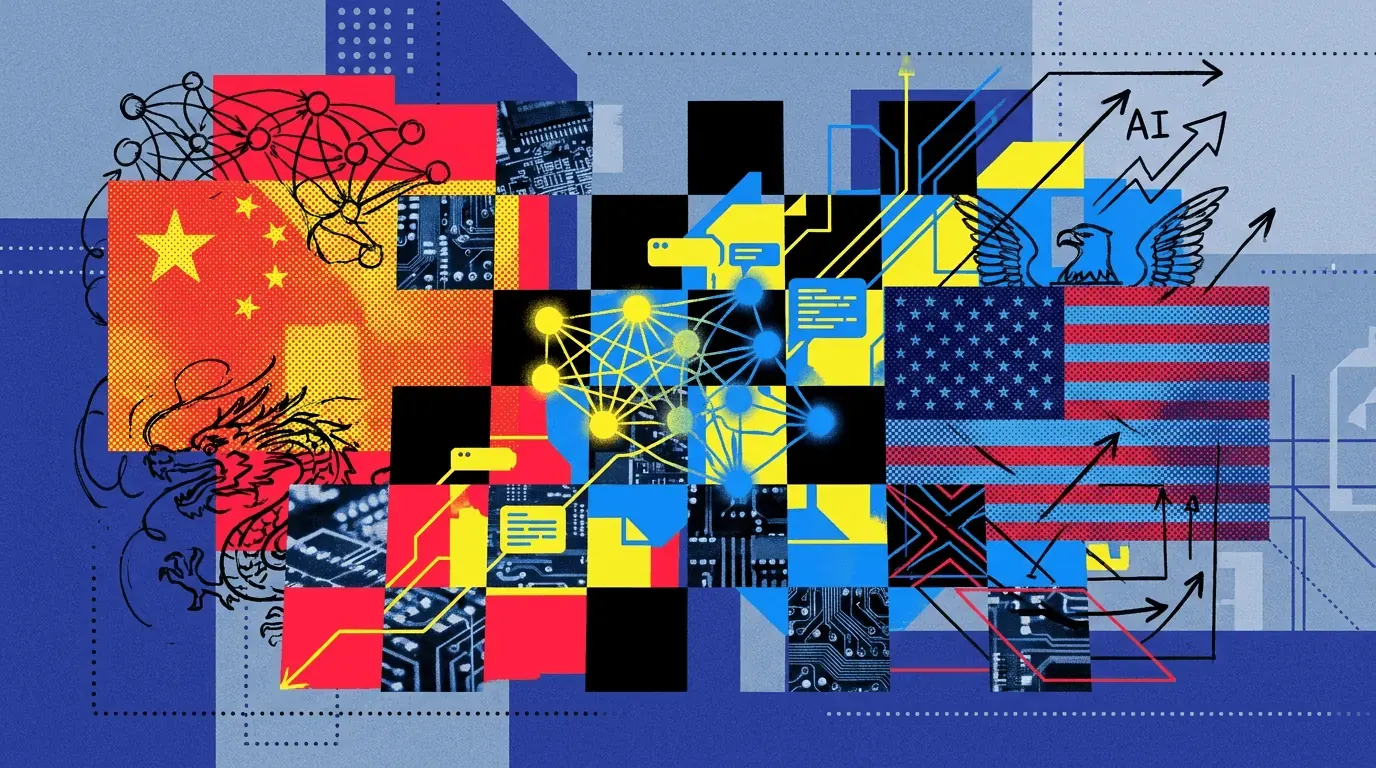
Chinese cybersecurity firm Qihoo 360 Security Technology has announced the development of two artificial intelligence tools aimed at competing with Anthropic’s advanced AI, Mythos. The company’s founder, Zhou Hongyi, presented “Tu Long Feng” and “Yi Tian Zhen” at a recent conference in Beijing, emphasizing their role in establishing a “cyber-nuclear deterrence” capability for China.
Zhou Hongyi highlighted the perceived strategic imbalance in AI capabilities, comparing Mythos’s ability to identify vulnerabilities and construct attack chains to “cyber-nuclear weapons of the AI era.” He argued that China cannot afford to lag in this domain, advocating for the development of indigenous strategic AI tools to ensure national security and prevent a monopoly on such technologies.
New AI Tools for Cyber Defense
Qihoo 360’s newly introduced tools are designed for distinct cybersecurity functions. “Tu Long Feng” is an automated vulnerability hunting system that has already identified 3,432 vulnerabilities, according to Zhou. “Yi Tian Zhen” focuses on automating cyber defense mechanisms. This agent-based approach, combining AI models with security expertise, is intended to compensate for the acknowledged 20-30 percent gap between top Chinese and Western AI models.
Zhou stressed the urgency of these developments, stating, “China cannot wait until model capabilities have fully caught up before beginning vulnerability discovery. We cannot afford to wait.” This sentiment underscores a broader national strategy to accelerate AI development in critical sectors despite existing technological disparities.
Rhetoric of Deterrence and Monopoly Concerns
The language used by Zhou Hongyi evokes Cold War-era strategic competition, underscoring the geopolitical implications of advanced AI. He posited that just as nuclear weapons deterred armed conflict, a balance of “cyber-nuclear” capabilities is essential for cybersecurity. Zhou warned against “one-sided transparency,” suggesting that without its own advanced AI tools, China could be vulnerable to systems like Mythos scanning its infrastructure while remaining blind to external threats.
He also pointed to the US export ban on Anthropic’s Fable 5, described as a civilian version of Mythos, as evidence of the US government’s desire to maintain an “absolute monopoly” over this strategic asset. This perspective highlights the ongoing tension and competition over critical AI technologies between major global powers.
Key Facts
| Feature | Description |
|---|---|
| Company | Qihoo 360 Security Technology (China) |
| Founder | Zhou Hongyi |
| New AI Tools | “Tu Long Feng” (vulnerability hunting), “Yi Tian Zhen” (automated cyber defense) |
| Competitor | Anthropic’s Mythos |
| Strategic Framing | “Cyber-nuclear deterrence,” countering US monopoly |
Implications for India’s AI Strategy
For India’s growing AI sector and national cybersecurity initiatives, these developments from China underscore the critical importance of fostering indigenous AI capabilities and robust cybersecurity frameworks. As AI tools become increasingly sophisticated and integrated into national defense strategies, countries like India will need to continuously assess their own positions in this evolving technological landscape. The call for “cyber-nuclear deterrence” highlights the dual-use nature of advanced AI and the need for comprehensive strategies that balance innovation with security.
Source: The Decoder, https://the-decoder.com/chinese-cybersecurity-firm-builds-ai-tools-to-rival-mythos-and-frames-the-race-as-cyber-nuclear-deterrence/