
Source-led article
SpaceX Reportedly Developing Handset-Like AI Device, Musk Denies Claims
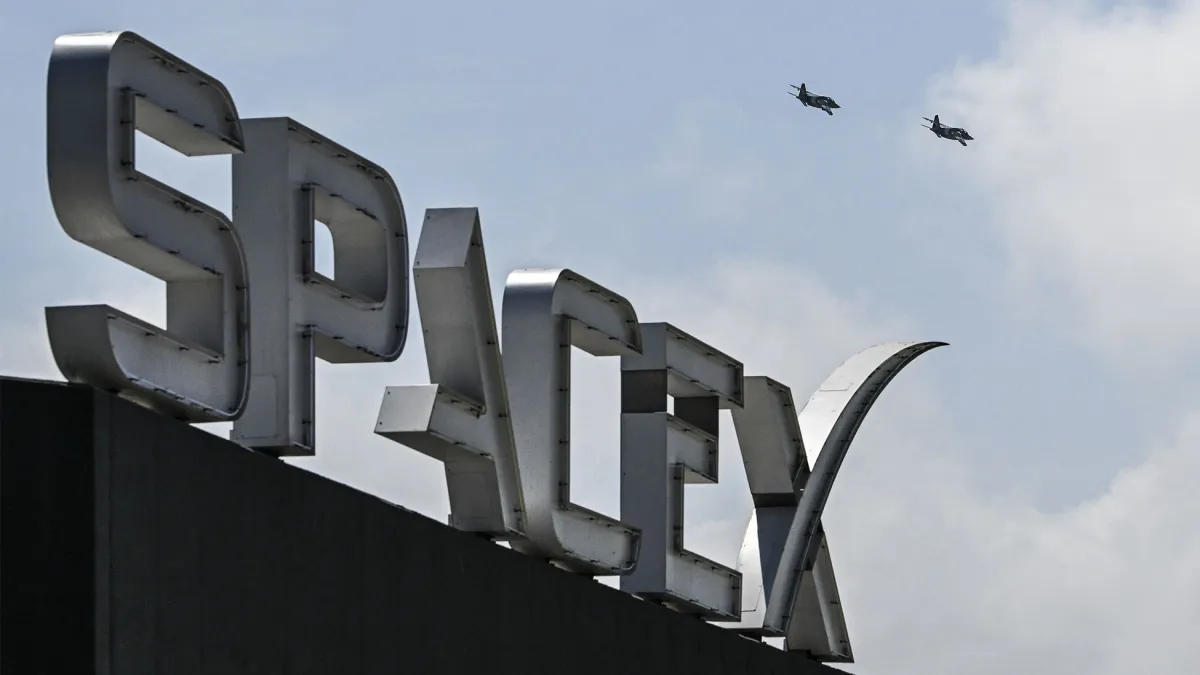
SpaceX, Elon Musk’s aerospace company, is reportedly developing a prototype of a “handset-like” AI device. The Wall Street Journal first reported on the device, describing it as sleeker and slimmer than an iPhone, prompting speculation about its potential form factor—perhaps a blend between a small touchscreen phone and an AI-focused gadget like the Rabbit R1.
The prototype was reportedly showcased to investors and stakeholders before SpaceX’s public offering. It was presented as being in an early development stage, with design changes still possible. However, Elon Musk has publicly dismissed these reports, branding them as “utterly false.”
Key facts
| Detail | Description |
|---|---|
| Reported Device | “Handset-like” AI device prototype |
| Reported Features | Sleeker than an iPhone, proprietary OS, xAI integration |
| Status | Early prototype, design subject to change (as per reports) |
| Musk’s Stance | Denied reports as “utterly false” |
Potential Strategic Move for SpaceX
Despite Musk’s denial, the reports align with SpaceX’s broader ambitions, particularly its interest in expanding into wireless communication. The company’s Starlink Mobile initiative is already positioned as a potential competitor to established mobile carriers like Verizon and AT&T. This move suggests a strategic push beyond satellite internet services into consumer-facing hardware and wireless connectivity.
The potential for SpaceX, alongside its sister company Tesla, to mass-produce AI devices is significant, given their extensive manufacturing expertise and access to critical semiconductor chips for on-device computing. If these reports hold true, it would mark a substantial diversification for SpaceX into the burgeoning AI hardware market.
Integration with xAI and Proprietary OS
The reported AI device is said to be designed to run on a proprietary operating system and integrate technology from xAI, Musk’s artificial intelligence company that SpaceX acquired earlier this year. This approach would allow SpaceX to circumvent reliance on existing platforms like Google’s Android, enabling the creation of new devices with native AI interfaces.
This strategy mirrors efforts by other tech leaders, such as OpenAI, which is collaborating with former Apple chief design officer Jony Ive on an AI device. OpenAI’s CEO Sam Altman has described their upcoming device as potentially “more peaceful” than an iPhone, focusing on a different user interaction paradigm.
Challenges and Market Landscape
The AI device market is becoming increasingly competitive, with a history of challenging launches from companies like Humane and Rabbit. While the intent to sell an AI device is clear for many companies, consumer demand for such new form factors remains to be fully proven.
For Indian users and the tech ecosystem, this development, if confirmed, could mean several things. It could introduce new competition in the AI hardware space, potentially fostering innovation and offering alternative devices to those currently available. Furthermore, SpaceX’s expansion into wireless services with Starlink Mobile could impact the telecom landscape in India, providing new connectivity options, especially in remote areas. The integration of xAI could also lead to new AI applications and services tailored for such devices, creating opportunities for Indian developers and startups in the AI domain.
Source: TechCrunch AI – https://techcrunch.com/2026/07/01/spacex-has-an-ai-device-prototype-and-it-sure-sounds-phone-ish/