Source-led article
AI Hype Reaches Sandwich Shops: Jersey Mike’s IPO Documents Mention AI 22 Times
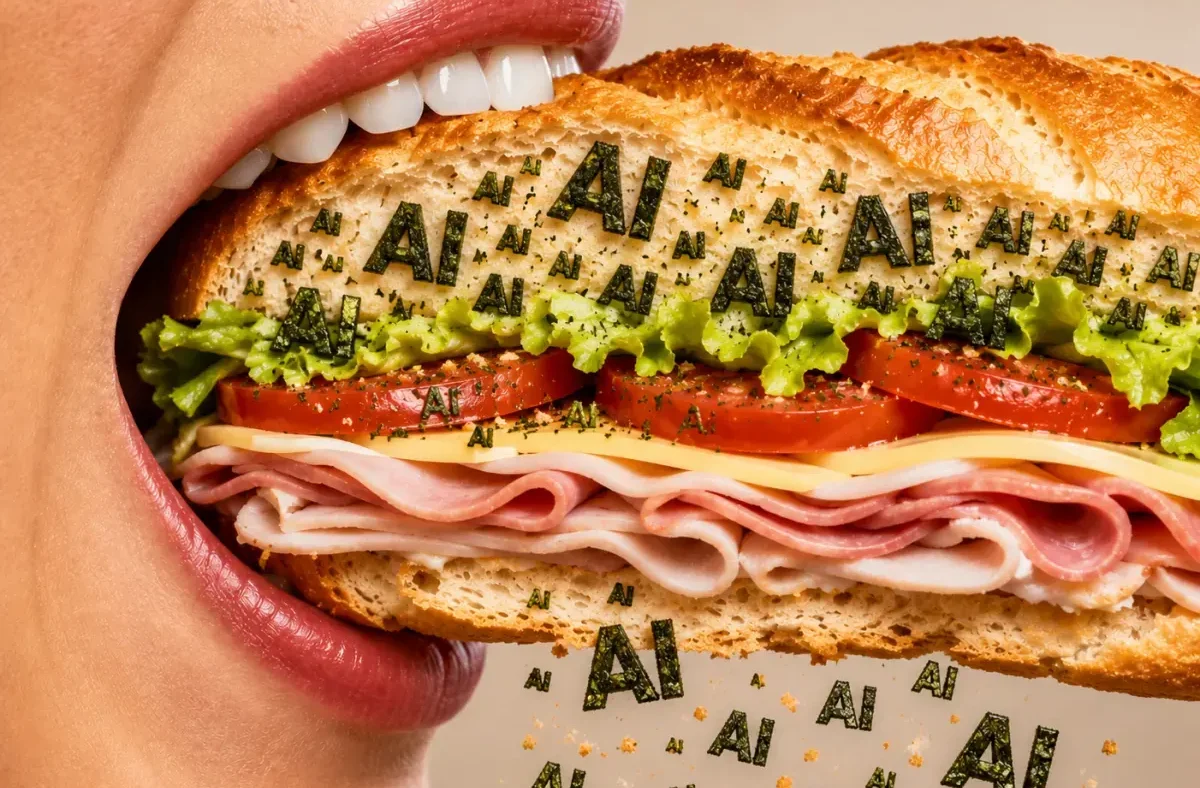
The escalating influence of Artificial Intelligence (AI) hype has seemingly permeated even unexpected sectors, with sandwich chain Jersey Mike’s mentioning “AI” or “Artificial Intelligence” 22 times in its recent Initial Public Offering (IPO) documents. This inclusion, despite the company’s core business being submarine sandwiches, reflects a growing trend where businesses across industries emphasize AI in their investor communications to attract capital.
This development underscores the current investor appetite for anything associated with AI, prompting companies, even those far removed from core AI development, to integrate AI narratives into their public disclosures. The phenomenon has been observed across various businesses, from non-AI startups seeking venture capital to established companies undergoing public debuts.
Key facts
| Detail | Description |
|---|---|
| Company | Jersey Mike’s (sandwich chain) |
| Event | Initial Public Offering (IPO) |
| AI Mentions | 22 times in IPO documents |
| Core Business | Selling submarine sandwiches |
The inclusion of AI terminology in Jersey Mike’s S-1 filing, typically a comprehensive document detailing a company’s financial health and business model for potential investors, suggests a strategic move to align with current market trends. While the company is not selling AI software, its frequent use of the term indicates an awareness of investor interest in AI-driven growth stories.
Risk Warnings and Boilerplate Language
Intriguingly, many of the AI mentions in Jersey Mike’s documents appeared within its investor risk warnings. The company stated, “We are beginning to use AI Technologies in our business,” without providing specific details on how AI poses a significant risk to its sandwich operations. This generic phrasing suggests the use of boilerplate language, a common practice in legal and financial documents to cover broad potential risks.
This trend is not isolated. Previous instances, such as Starbucks’ ill-fated AI inventory tool that was eventually scrapped due to inefficiencies, demonstrate that AI implementation in the food service industry can carry risks. However, the article humorously notes the discrepancy: while AI was mentioned 22 times, weather, a more tangible risk for a physical chain (like a Texas shop being hit by lightning), was mentioned only five times, and lightning not at all. This highlights a potential imbalance in how risks are perceived and communicated in the current AI-centric investment climate.
Broader Implications for Businesses and Investors
For Indian businesses and startups, this trend holds significant implications. The pressure to integrate AI into business narratives, even superficially, can be intense. While genuine AI adoption can drive efficiency and innovation, simply “sprinkling AI dust” on pitches without substantive integration risks misleading investors and creating inflated valuations based on hype rather than fundamental business value.
Investors, particularly those in the Indian market, should exercise due diligence beyond buzzwords. Understanding how a company genuinely leverages AI, the specific technologies employed, and the tangible benefits or risks involved is crucial. The Jersey Mike’s example serves as a cautionary tale, prompting a closer examination of the substance behind AI claims in IPOs and investment proposals. The focus should remain on concrete applications, measurable outcomes, and robust risk management rather than generic mentions of “AI Technologies.”
Source: TechCrunch AI – https://techcrunch.com/2026/07/02/jersey-mikes-ipo-illustrates-how-bad-the-ai-hype-has-become/