Source-led article
Karnataka High Court Case Could Redefine India’s Gig Worker Welfare Landscape
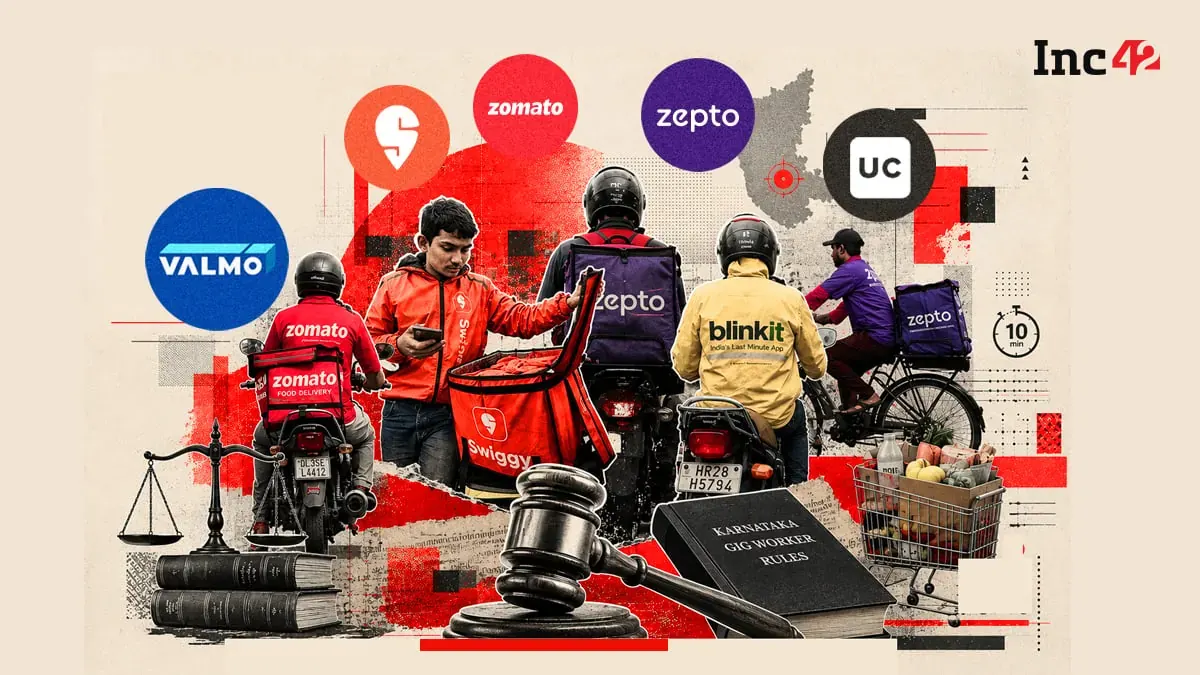
The Karnataka High Court is currently presiding over a significant legal challenge that could fundamentally alter the landscape of gig worker welfare in India. At the core of the dispute is Karnataka’s 1% welfare levy on platform aggregators, a move that pits state-level regulatory ambition against the central government’s unoperationalised social security framework. The outcome of this case holds implications for platform companies, gig workers, and the balance of power between state and central legislation in India’s rapidly growing gig economy.
Earlier this week, the Karnataka High Court declined to stay the Karnataka Platform-Based Gig Workers (Social Security and Welfare) Act, 2025. The court directed platform aggregators to deposit the disputed welfare contribution with its registry while the constitutional challenge proceeds. This interim order marks a critical juncture in the legal battle, highlighting the court’s acknowledgement of the constitutional questions at stake.
The Genesis of the Dispute
The Karnataka Platform-Based Gig Workers Act came into force last year after extensive stakeholder consultations. This year, the state began implementing its provisions, forming a Welfare Board, notifying the welfare contribution, and issuing compliance notices to platform companies. In response, the Internet and Mobile Association of India (IAMAI), alongside major players like Eternal, Swiggy, Zepto, Urban Company, and Meesho’s logistics arm Valmo, challenged the Act in the Karnataka High Court.
Their contention is that Karnataka’s legislation encroaches upon a field already covered by the Centre’s Code on Social Security, 2020. This central legislation formally recognises gig and platform workers and empowers the Union government to frame welfare schemes. Petitioners argue that the state law is “repugnant” to the central legislation and therefore “unconstitutional.”
Key Legal Arguments
During the hearing, Justice M. Nagaprasanna acknowledged the constitutional significance of the case. While noting that Parliament had legislated in the area, the High Court questioned whether a state could still enhance the Centre’s welfare framework. The court also expressed reservations about the platforms’ resistance to the welfare contribution, emphasizing the need for stronger social protection for gig workers.
The Code on Social Security, 2020, was India’s first formal attempt to integrate gig workers into its social security system. It allows the Centre to establish schemes for life and disability cover, accident insurance, health and maternity benefits, and old-age protection. The Code also mandates aggregators to contribute 1% to 2% of their annual turnover towards gig worker welfare. However, the Centre has yet to operationalise these dedicated welfare schemes.
Karnataka’s Distinct Approach
Karnataka’s Act takes a different approach, establishing a state-level Welfare Board and Fund, mandating worker and platform registration, and providing for grievance redressal. Crucially, its funding mechanism differs from the Centre’s Code. Instead of linking contributions to annual turnover, Karnataka opted for a transaction-based welfare contribution, currently set at 1% for food delivery and ride-hailing platforms, with quarterly payments.
The central question revolves around Article 254 of the Constitution, which addresses inconsistencies between central and state laws on subjects within the Concurrent List. Labour and social security fall under this list, allowing both the Centre and states to legislate. Sohini Mandal, founder of Nilaya Legal, noted that the key issue is whether the Code on Social Security provides an exhaustive framework or merely a foundation upon which states can build. If the court finds the Code exhaustive, the “occupied field” doctrine could apply. However, given that Karnataka’s law references the Code, it can be argued that it merely supplements the central legislation.
Implications for India’s Gig Economy
This case is a pivotal moment for India’s gig economy, which relies heavily on platform workers. For Indian businesses, particularly platform aggregators, the ruling could determine whether they face a fragmented regulatory environment with varying state-specific compliance rules and costs. A ruling in favour of Karnataka’s Act could encourage other states, such as Rajasthan and Telangana, which have also initiated gig worker welfare frameworks, to push forward with their own legislation. For gig workers, the outcome will directly impact their access to social security benefits and potentially lead to more robust state-level protections if the Centre’s framework remains unoperationalised.
Key facts
| Aspect | Detail ## Karnataka High Court to Examine State’s Gig Worker Welfare Act
Bengaluru, India – The Karnataka High Court is currently hearing a landmark case that could significantly reshape the regulatory landscape for gig workers across India. At the heart of the legal dispute is the Karnataka Platform-Based Gig Workers (Social Security and Welfare) Act, 2025, and its proposed 1% welfare levy on platform aggregators. This case raises critical questions about the authority of state governments to enact independent social security measures for gig workers, especially when central legislation on the matter is already in place but not fully operational.
Earlier this week, the High Court refused to stay the Karnataka Act, directing the concerned platform aggregators to deposit the disputed welfare contribution with the court registry. This interim order allows the constitutional challenge to proceed while ensuring that the welfare contributions are secured during the legal process. The decision underscores the court’s view that the case involves substantial constitutional interpretations.
The Karnataka Act, which came into effect last year following extensive consultations, aims to provide comprehensive social security for gig workers within the state. It led to the establishment of a Welfare Board, notification of welfare contributions, and issuance of compliance notices to platform companies. This proactive approach by Karnataka has, however, been met with a legal challenge from industry bodies.
The Internet and Mobile Association of India (IAMAI), joined by major platforms including Eternal, Swiggy, Zepto, Urban Company, and Meesho’s logistics arm Valmo, has petitioned the Karnataka High Court. They argue that the Karnataka Act is “repugnant” to the Centre’s Code on Social Security, 2020, which already recognises gig and platform workers and empowers the Union government to formulate welfare schemes. The petitioners contend that the state law is therefore unconstitutional, as the field is already occupied by central legislation.
Justice M. Nagaprasanna of the Karnataka High Court acknowledged the constitutional weight of the arguments. While noting that Parliament had indeed legislated in this area, the court also raised a crucial question: whether a state could “improve upon” the Centre’s welfare framework, even if the central law laid the foundation. The court also questioned the platforms’ opposition to the welfare contribution, remarking on the deserving nature of stronger social protection for gig workers.
The Centre’s Code on Social Security, 2020, marked a significant step by formally recognising gig workers and outlining provisions for social security measures such as life and disability cover, accident insurance, health benefits, and old-age protection. It also stipulated that aggregators contribute between 1% and 2% of their annual turnover towards gig worker welfare. However, the central government has yet to operationalise these schemes, leaving a void that states like Karnataka are attempting to fill.
Karnataka’s Act distinguishes itself by establishing a state-level Welfare Board and Fund, mandating registration for both workers and platforms, and setting up grievance redressal mechanisms. Crucially, its funding model differs: instead of an annual turnover-based contribution, Karnataka has opted for a transaction-based levy ranging from 1% to 5% of the amount paid to a gig worker. Currently, this is fixed at 1% for food delivery and ride-hailing platforms, with quarterly payments.
The legal battle’s outcome hinges on Article 254 of the Indian Constitution, which governs situations where central and state laws on subjects in the Concurrent List conflict. Labour and social security fall under this list, allowing both levels of government to legislate. Legal experts, such as Sohini Mandal of Nilaya Legal, highlight that the core issue is determining if the Code on Social Security provides an exhaustive framework or merely a base upon which states can build. If the court deems the Code exhaustive, the “occupied field” doctrine may apply, potentially invalidating the state law. Conversely, arguments exist that the Karnataka law merely supplements the central legislation, making it permissible.
This case holds significant implications for the over 7.7 million gig workers in India, as well as for the numerous platform companies operating nationwide. A ruling affirming Karnataka’s Act could pave the way for other states to enact their own gig worker welfare laws, potentially creating a complex, multi-layered regulatory environment for platforms. For workers, it could mean enhanced and more immediately accessible social security benefits, regardless of the pace at which central schemes are operationalised.
Source: Inc42, https://inc42.com/features/the-legal-battle-that-could-reshape-indias-gig-economy/
Datos clave
| Punto | Detalle |
|---|---|
| Fuente | Inc42 |
| Fecha | 2026-07-05T11:17:51+00:00 |
| Tema | The Legal Battle That Could Reshape India’s Gig Economy |