
Source-led article
Apple Sues OpenAI Over Alleged Trade Secret Theft, Citing Former Employees
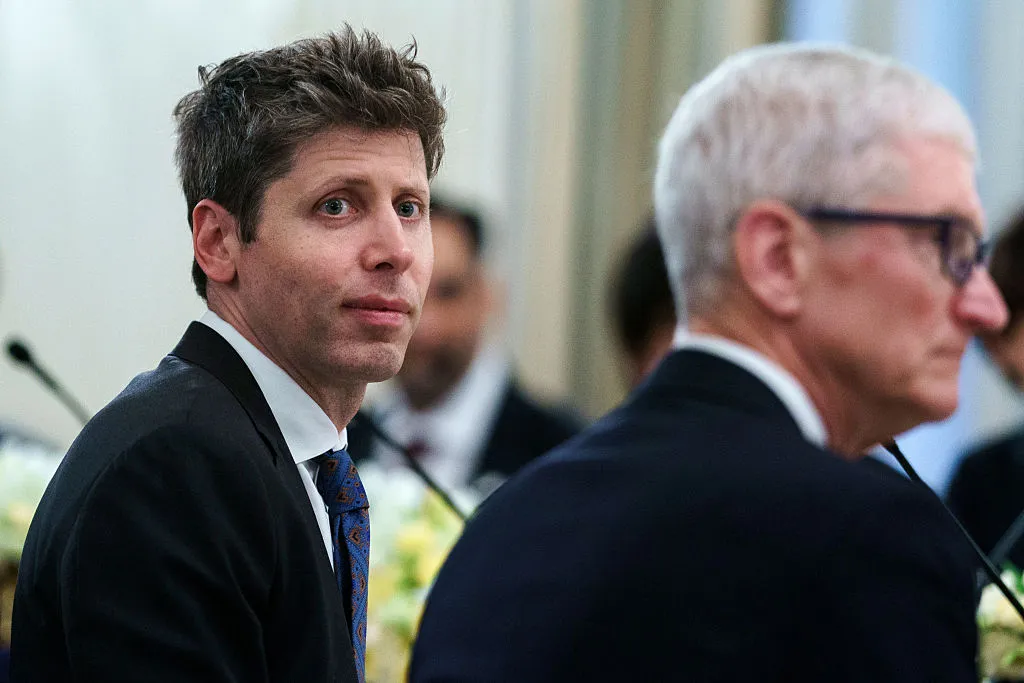
Apple has initiated legal action against OpenAI, filing a lawsuit that accuses the AI company of trade secret theft and breach of contract. The iPhone maker alleges that OpenAI’s senior leadership orchestrated this misconduct, which reportedly involved employees who previously worked at Apple.
The lawsuit, filed in the U.S. District Court for the Northern District of California, specifically names Tang Tan, OpenAI’s Chief Hardware Officer, who spent 24 years at Apple, most recently as VP of product design for the iPhone and Apple Watch.
Allegations Against Senior Leadership
Apple’s complaint details several accusations against Tan. These include using Apple’s confidential project code names during OpenAI’s recruiting process, requesting job candidates to bring Apple hardware components to interviews, coaching departing Apple employees on how to circumvent company security protocols, and asking for details about unannounced Apple products.
The timing of this lawsuit is significant, as OpenAI is rumoured to be developing its first hardware product, potentially a smartphone leveraging AI agents, which could directly compete with Apple’s core hardware business. Last year, OpenAI acquired Jony Ive’s device startup io for $6.5 billion, signaling its hardware ambitions.
Key facts
| Aspect | Detail |
|---|---|
| Plaintiff | Apple |
| Defendant | OpenAI |
| Allegations | Trade secret theft, breach of contract |
| Key Individuals | Tang Tan (former Apple VP, now OpenAI Chief Hardware Officer), Chang Liu (former Apple engineer) |
Further Accusations Against Former Employees
The lawsuit also references Chang Liu, a former senior systems electrical engineer at Apple who later joined OpenAI. Apple alleges Liu failed to return an Apple-issued laptop upon departure and used it to download confidential technical documents. These documents reportedly contained information about unannounced technologies, features, and products, including technical specifications, engineering presentations, and proprietary project data.
Liu is further accused of sharing Apple’s confidential information with other Apple employees applying for positions at OpenAI, even advising them on what to study for interviews. Apple claims it sent a letter to OpenAI in February outlining its concerns but received no response.
Broader Implications for OpenAI’s Hardware Strategy
Apple’s complaint suggests that the actions of these former employees are part of a broader strategy by OpenAI to extract confidential information. The lawsuit alleges that OpenAI and its partners have even used Apple’s confidential information while developing its own hardware product, citing a proprietary metal finishing technique used by OpenAI after allegedly misleading a partner into believing it had Apple’s permission.
Apple states it lacks full visibility into the extent of these alleged activities but believes the misconduct is “normalized and exemplified by leadership” at OpenAI. The company is seeking a court order to prevent OpenAI from using or disclosing its trade secrets, demanding the return of confidential Apple materials, and the preservation of all related evidence.
For Indian readers tracking the global AI and tech landscape, this development highlights the intense competition and legal battles emerging as AI companies venture into hardware, potentially impacting future product innovations and market dynamics in the region. The outcome of this high-profile case could set precedents for intellectual property protection in the rapidly evolving AI hardware sector.
Source: TechCrunch AI https://techcrunch.com/2026/07/10/apple-sues-openai-over-alleged-trade-secret-theft/