
Source-led article
Microsoft reports $3.2 billion gain on Anthropic investment, OpenAI stake marks down $600 million in Q4
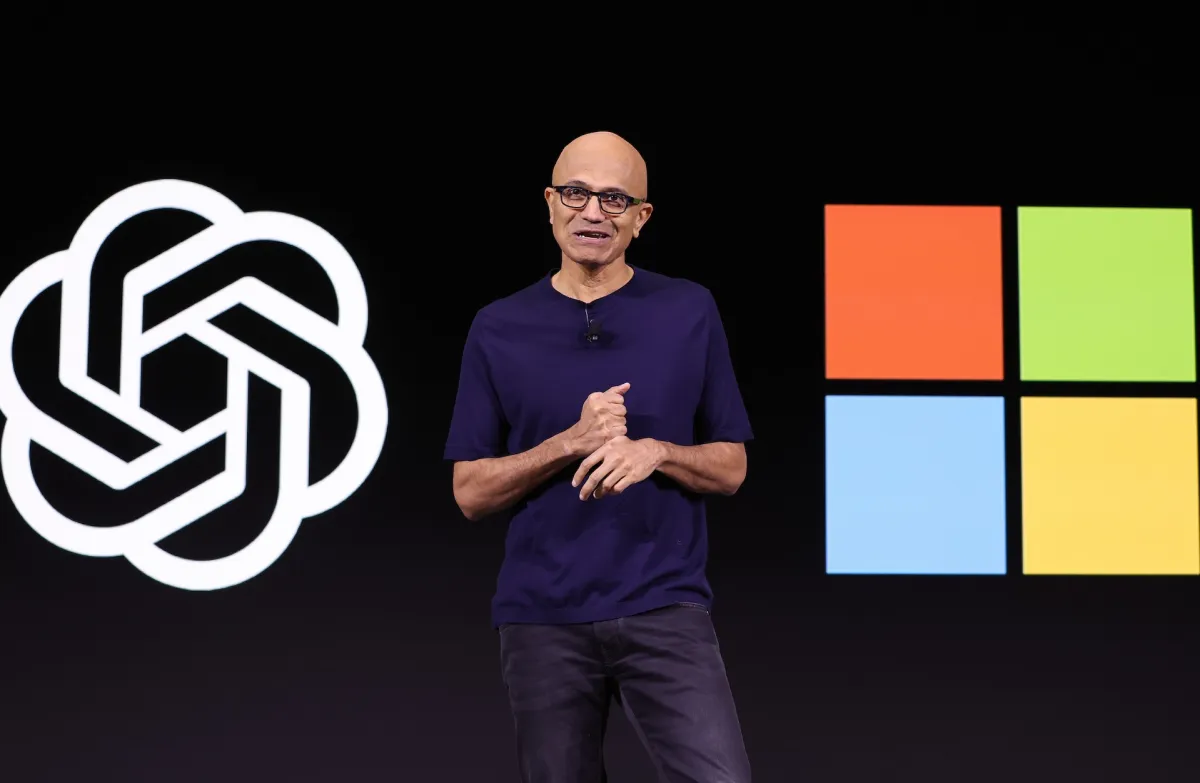
Microsoft’s fiscal fourth-quarter earnings, reported on July 29, 2026, include a rare disclosure about the performance of its two largest AI investments. The company recorded a $3.2 billion gain on its stake in Anthropic, while marking down the value of its OpenAI investment by about $600 million. The figures, tucked inside the company’s quarterly filing, offer a contrasting picture of the tech giant’s bets on the two leading AI labs.
Anthropic investment delivers strong quarterly gain
Microsoft invested $5 billion in Anthropic in November 2025 as part of a broader agreement under which the AI lab also committed to purchasing $30 billion worth of Azure cloud services. For the quarter ending June 30, 2026, Microsoft valued that investment at a $3.2 billion gain, contributing $0.33 to diluted earnings per share. The company reported diluted EPS of $4.81 for the quarter.
The gain is notable because Microsoft does not routinely update the value of its Anthropic stake each quarter. The disclosure suggests the investment has appreciated significantly since the initial deal, likely driven by Anthropic’s growing revenue and its expanding use of Azure infrastructure. Anthropic’s Claude models have gained traction among enterprises, and the company has been scaling its cloud consumption on Microsoft’s platform.
OpenAI stake faces a quarterly dip
In contrast, Microsoft’s investment in OpenAI did not fare as well in the same quarter. The company wrote down the value of its OpenAI stake by about $600 million, reducing diluted EPS by roughly $0.07 per share. Microsoft owns approximately 27% of OpenAI and also receives revenue-share payments, though the company does not disclose the amount of those payments. Instead, it accounts for the value of its investment each quarter.
The $600 million write-down, while sizable, is a relatively small figure for Microsoft. The company delivered $90 billion in revenue and $35.8 billion in net income for the quarter. The write-down may reflect a reassessment of OpenAI’s valuation amid increased competition and the costs of scaling its models.
Full-year picture: OpenAI still ahead
When viewed on a full-year basis, Microsoft’s OpenAI investment remains strongly positive. Over the fiscal year ending June 30, 2026, the OpenAI stake generated a $5 billion gain and added $0.67 to diluted EPS. Microsoft reported full-year EPS of $17.95. The full-year result shows that despite the quarterly noise, OpenAI has been a net positive for Microsoft’s bottom line.
Still, the fact that Microsoft reported nearly as much gain on Anthropic in a single quarter as it did on OpenAI for the entire year is noteworthy. The company’s decision to disclose the Anthropic figure suggests it views the investment as a significant success. The timing also highlights the dynamic competition between the two AI labs, both of which rely heavily on Microsoft’s Azure cloud for their training and inference workloads.
| Datos clave | |
|---|---|
| Anthropic investment gain (Q4 FY2026) | $3.2 billion, added $0.33 to diluted EPS |
| OpenAI investment write-down (Q4 FY2026) | $600 million, reduced diluted EPS by $0.07 |
| Microsoft’s ownership in OpenAI | 27% |
| Full-year OpenAI gain (FY2026) | $5 billion, added $0.67 to diluted EPS |
| Microsoft total revenue (Q4 FY2026) | $90 billion |
| Microsoft net income (Q4 FY2026) | $35.8 billion |
What this means for Indian enterprises and developers
For Indian businesses and startups that rely on Azure AI services, the financial health of both Anthropic and OpenAI matters directly. Microsoft’s ability to continue offering competitive pricing, model access, and infrastructure depends partly on the returns from these investments. A strong Anthropic performance could mean more resources for developing Claude-based services on Azure, while any sustained weakness in OpenAI’s valuation might prompt Microsoft to adjust its strategy or pricing.
Indian companies using OpenAI’s models through Azure OpenAI Service should note that Microsoft’s quarterly write-down does not necessarily affect service quality or availability. However, investors and technology leaders may want to monitor how Microsoft balances its support for the two competing labs, especially as both Anthropic and OpenAI push for greater market share in India’s fast-growing AI adoption landscape.
The disclosure also highlights the circular nature of these investments: Microsoft invests cash, and the AI labs spend much of that cash on Azure cloud services. This creates a self-reinforcing cycle that benefits Microsoft’s cloud revenue regardless of which AI lab wins the market. For Indian enterprises, this means continued access to cutting-edge AI models via Azure, but also a reminder that the underlying economics are complex and subject to quarterly adjustments.
Source: TechCrunch AI – “Microsoft logs $3.2B from Anthropic investment, but OpenAI was a mixed bag” – https://techcrunch.com/2026/07/29/microsoft-logs-3-2b-from-anthropic-investment-but-openai-was-a-mixed-bag/