Source-led article
Palo Alto Startup ScrollEd Turns Textbooks into TikTok-Style Feeds for Students
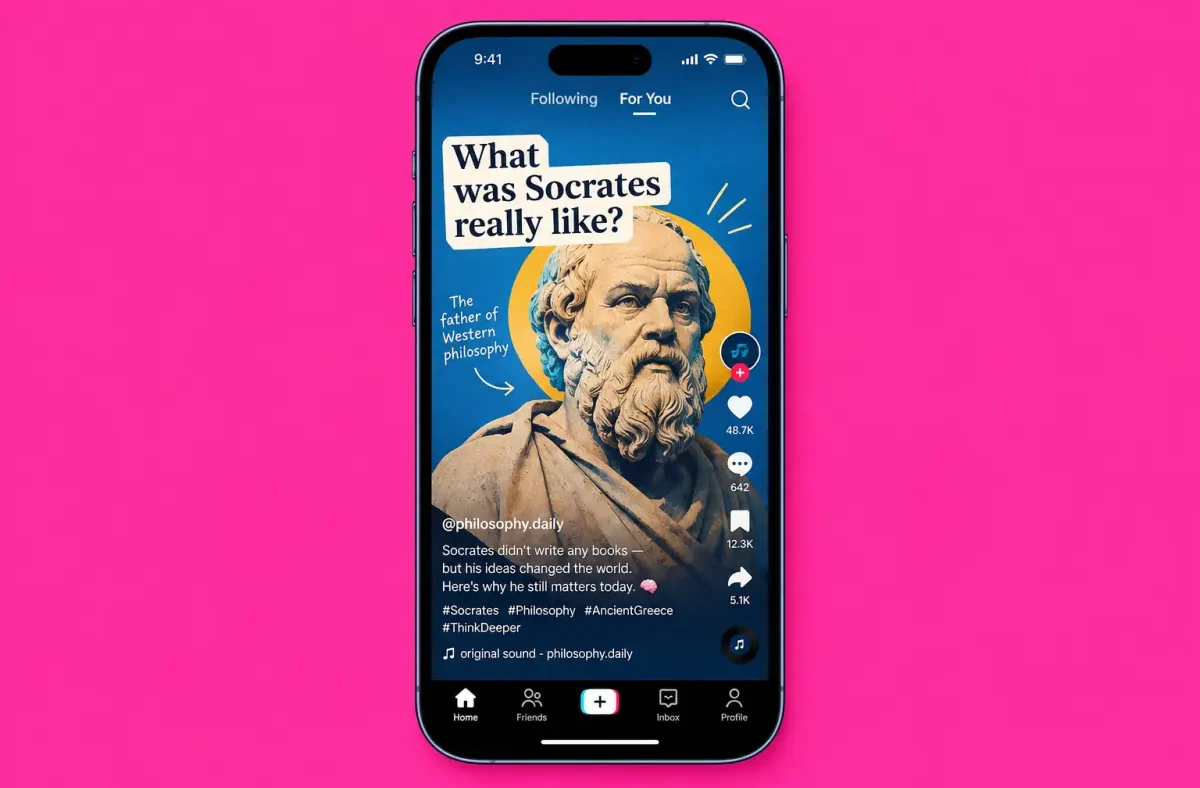
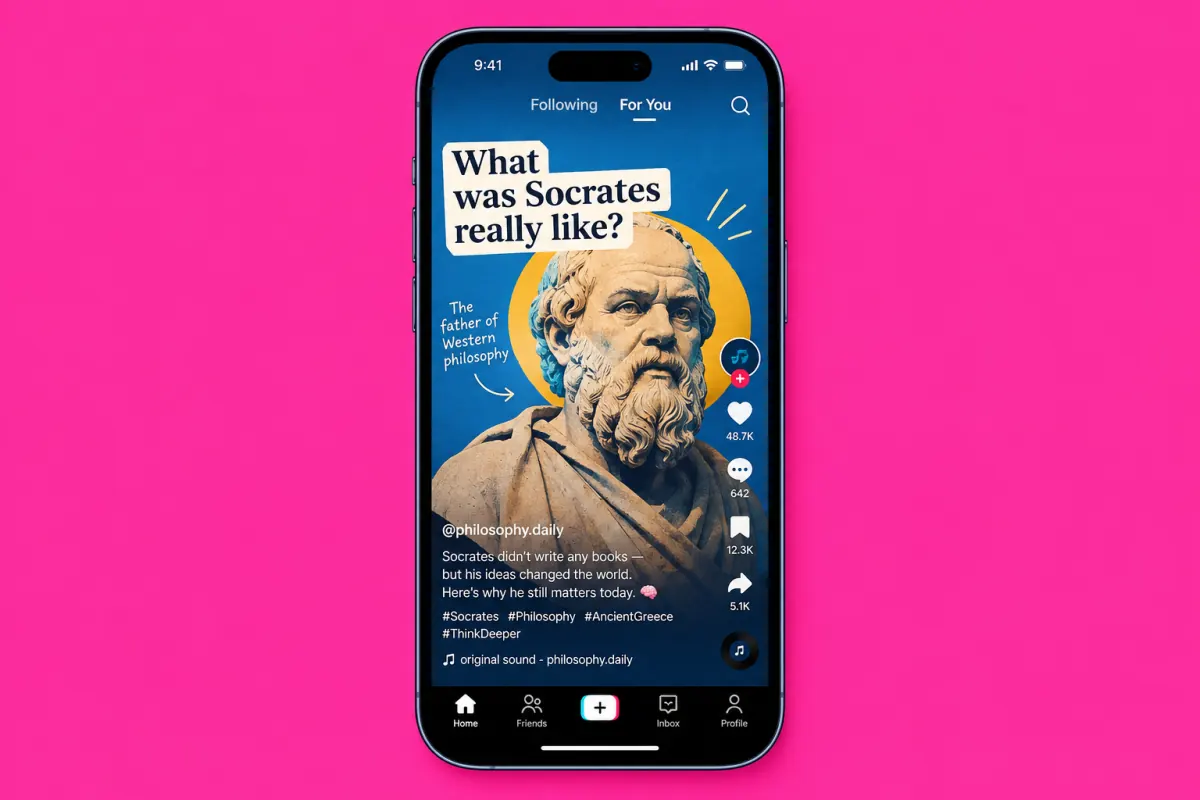
A Palo Alto-based startup called ScrollEd is pitching a novel solution to the problem of declining student attention spans: instead of fighting the scroll, make the textbook scrollable.
Founded this year by Stanford and University of Pennsylvania students Utsav Gupta and Rebecca Neff, ScrollEd has built an app that lets users upload any text file — including dry PDFs and textbooks — and converts the content into a vertical feed that closely resembles Instagram Reels or TikTok. The app uses AI to generate video, audio, text summaries, and interactive quizzes from the uploaded material.
The startup is part of the TechCrunch Disrupt Startup Battlefield 200 competition, where it launched its consumer business on September 20, 2026.
How the app works
ScrollEd reimagines reading as a swiping experience. As users scroll vertically, the app surfaces AI-generated video explanations, narrated audio clips, text summaries, and quiz cards. Swiping up moves to a new topic, while swiping sideways allows the user to dive deeper into the current subject. A quiz awaits at the end of each module.
“The younger generation is increasingly going short form, vertical feed only (especially the 18 year olds we’ve spoken to!), and this poses challenges for any kind of media that requires depth,” Gupta told TechCrunch in an email. “We want to meet them where they are.”
Gupta added that the goal is not simply to replicate the addictive mechanics of social media, but to use short-form video as a gateway to deeper learning. “A short video can make you curious; following that curiosity can mean searching for another explanation or leaving the app. We wanted going deeper to be as easy as moving to the next video.”
Who is behind ScrollEd
The startup is entirely bootstrapped. Gupta studies AI and human purpose at Stanford, and Neff studies computer science at the University of Pennsylvania. The two are also spouses. They founded ScrollEd after noticing that both felt dissatisfied after doomscrolling before bed.
ScrollEd is targeting three distinct audiences: educational institutions, corporate training programs, and individual consumers who “just want something better to scroll on,” according to Gupta.
Datos clave
| Item | Detail |
|---|---|
| Founders | Utsav Gupta (Stanford) and Rebecca Neff (UPenn) |
| Launch event | TechCrunch Disrupt Startup Battlefield 200, September 2026 |
| Business model | Freemium: free consumer feed, ScrollEd Pro subscription, institutional licenses |
| Target users | Students, corporate trainees, individual consumers |
Business model and data implications
ScrollEd is following a freemium model. The free tier offers a consumer feed. A paid ScrollEd Pro subscription unlocks additional features, while annual institutional licenses allow schools and companies to deliver educational material through the platform. In exchange, institutions receive reports on engagement, lesson progress, and other analytics.
This data-focused model raises familiar questions about student privacy and data ownership — questions that will likely become more prominent as the startup develops pilots with institutions in the coming months.
The startup also plans to build infrastructure that will allow educators to assess individual learners and adapt content to their needs. For now, ScrollEd is focused on its consumer launch, building its lesson library, and developing a source-checking workflow to verify the accuracy of AI-generated content.
Why this matters for Indian edtech
ScrollEd arrives at a time when Indian students and professionals are among the world’s heaviest users of short-form video platforms. The app’s ability to turn dense academic PDFs into scrollable, quiz-embedded feeds could appeal to Indian coaching centres, undergraduate students, and corporate training teams looking for more engaging formats.
However, the platform’s reliance on AI-generated video and automated source-checking means that content accuracy and quality control will be critical — especially in exam-driven markets like India, where errors in study material can have real consequences.
Uncertainties and next steps
Several questions remain unanswered. The startup has not disclosed which AI models it uses for video generation or how its source-checking workflow works. The consumer feed is launching now, but institutional pilots are still in development. It is also unclear how the platform will handle copyrighted textbooks and PDFs uploaded by users.
For now, ScrollEd is a promising but early-stage experiment in rethinking how students engage with text. Whether it can deliver depth without sacrificing accuracy — and whether institutions will pay for the data it collects — will determine its staying power.
Source: TechCrunch — ScrollEd wants to turn textbooks into TikTok (https://techcrunch.com/2026/09/20/scrolled-wants-to-turn-textbooks-into-tiktok/)