Source-led article
Amazon drops NDAs in data center negotiations, but will transparency win over communities?
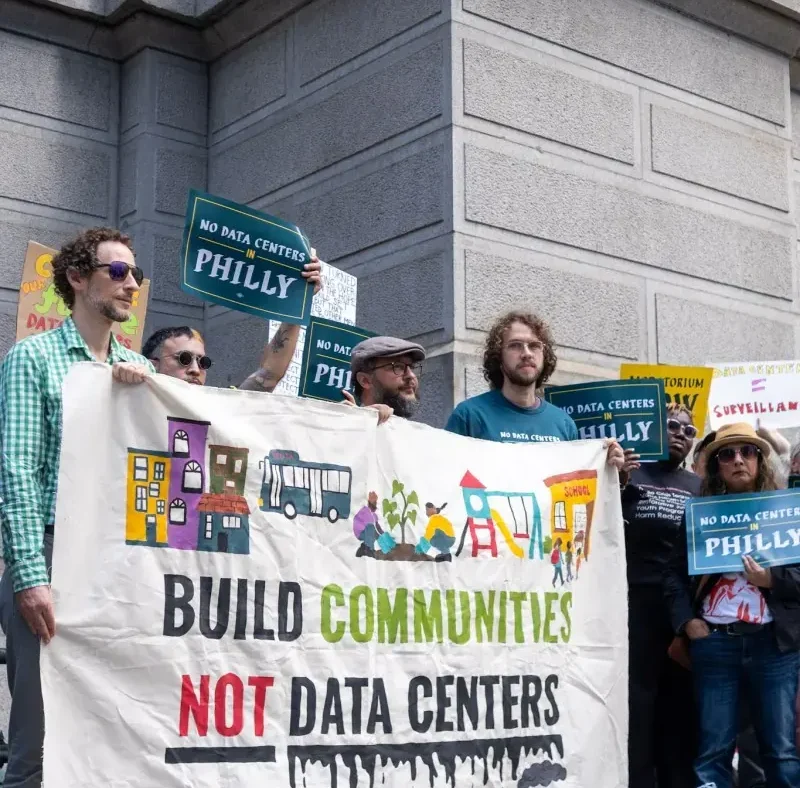
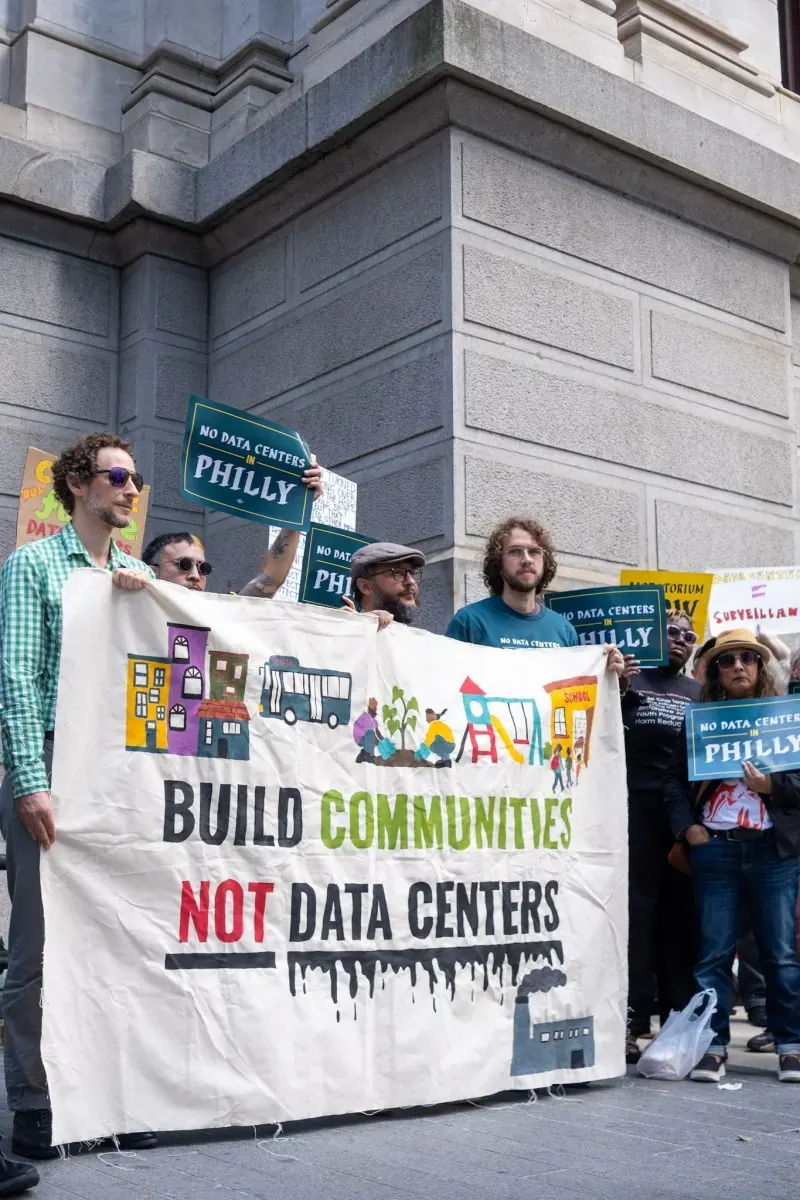
Amazon has quietly announced that it will no longer use nondisclosure agreements when negotiating with local governments over data center projects. The policy change, buried in a longer blog post making the case that data centers benefit communities, follows a similar move by Microsoft earlier this year.
The announcement comes as the AI industry faces growing resistance from local communities and a wave of data center moratoriums across the United States. On the latest episode of TechCrunch’s Equity podcast, journalists Sean O’Kane, Rebecca Bellan, and Anthony Ha debated whether dropping NDAs is enough to rebuild trust.
A history of secret negotiations
Sean O’Kane, a reporter who previously covered Uber’s expansion tactics, traced the problem back to the mid-2010s. “There are so many things that could be said about whether or not people should be worried about the effect that data centers have on their property values, on their electricity bills, on their water usage in the area,” he said on the podcast. “I think so much of that just really goes back to the fact that a lot of these projects are being negotiated essentially in secret.”
O’Kane pointed to Uber’s past practice of negotiating tax subsidies with local governments behind closed doors as a parallel. “Because of the secrecy, you could just see Uber getting really comfortable with asking for a lot of other stuff, too,” he noted. “So there needs to be more of this. I’m glad Amazon’s doing this. We’ll see if it actually does have any positive effect, but people are pretty entrenched right now.”
Moratoriums: a temporary pause or a lasting shift?
A growing number of US cities and states have imposed moratoriums on new data center construction, including San Francisco and New York. Rebecca Bellan argued that these moratoriums, typically lasting one to two years, may not have a lasting impact because data centers take years to come online anyway. “All of the buildouts are going to be massively delayed for a number of reasons from zoning to funding,” she said. “Of course, if the pushback keeps going, then it might have an effect.”
Anthony Ha noted that the New York moratorium is a one-year pause on permits for large projects, until the state finalizes an environmental review process. “Often, they’re framed as: ‘It’s not like we think data centers are bad, let’s not do this. It’s that we need to take the time to study this,’” he said. “Which gives them a lot of room to say later on, ‘Actually, we’ve decided this is great. We love it.’”
Despite the temporary nature of these moratoriums, Ha argued that the industry is clearly worried. “You can tell that the people trying to build these data centers are worried, which is why you have these unhinged tweets from people like Trump or David Sacks,” he said.
A communication problem at the core
Sean O’Kane framed the issue as a broader communication failure across the tech industry. “We’ve seen, through a lot of the controversy and backlash to AI and data centers, that the industry just does a really poor job explaining itself, and that they are obviously and constantly frustrated with the fact that most people can’t envision a world in which this stuff is useful for them,” he said.
He added that the industry’s shift toward “going direct” and bypassing traditional media has made the problem worse. “And that’s because, a lot of time, the technological ability’s not there, and in part because they’re just not explaining it well.”
Datos clave
| Topic | Details |
|---|---|
| Policy change | Amazon will no longer use NDAs in data center negotiations with local governments |
| Precedent | Microsoft made a similar announcement earlier this year |
| Community backlash | Multiple US cities have imposed data center moratoriums, including San Francisco and New York |
| Timeline | Moratoriums typically last 1–2 years, but data centers take 3–5 years to come online |
What this means for Indian readers
While the debate is playing out in the US, the implications for India are significant. India’s data center capacity is expected to grow rapidly, driven by AI adoption, the IndiaAI Mission, and the government’s push for data localization. If community opposition and regulatory hurdles slow down US projects, hyperscalers like Amazon and Microsoft may accelerate their investments in Indian markets, where land, power, and water availability remain contentious issues.
For Indian policymakers and tech leaders, the lesson is clear: transparency in negotiations, community engagement, and clear communication about the benefits and costs of data centers will be essential to avoid similar backlash. The NDA policy shift by Amazon and Microsoft could serve as a template for how the AI industry approaches local communities in India.
Source: TechCrunch — Can the AI industry persuade data center opponents by getting rid of NDAs?