
Source-led article
SpaceX IPO: Multi-Layered SPVs Create Uncertainty for Investors
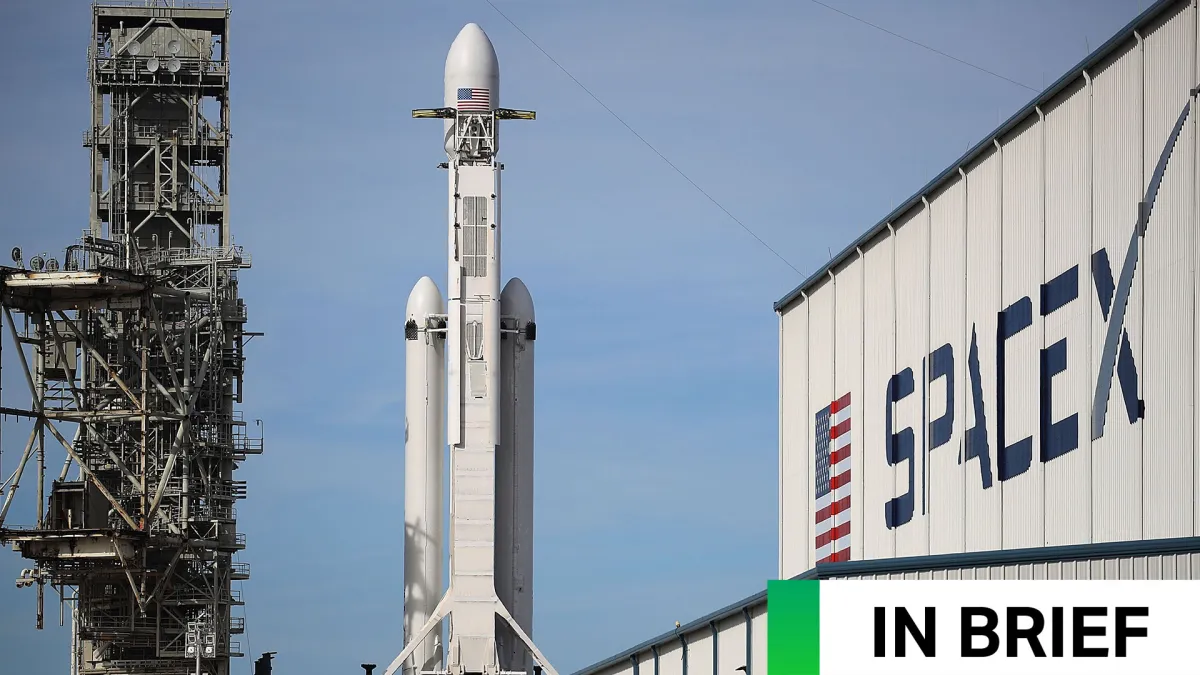
SpaceX’s imminent public debut is casting a spotlight on the intricate and often opaque world of Special Purpose Vehicles (SPVs), particularly for those who invested through multi-layered structures. Many investors are currently in the dark about their actual share entitlements, or even if they will receive shares at all, until weeks or months after the company goes public. This situation highlights potential risks associated with these complex investment vehicles, including hidden fees, prolonged payout delays, and the specter of fraudulent activity.
The Rise of Layered SPVs
Investing through SPVs, where various parties pool funds for a single company investment, is not new. However, SpaceX’s IPO represents an unprecedented instance of an offering involving multiple layers of these vehicles. High demand for SpaceX allocations has led to a cascade effect, with investors in one SPV forming new SPVs from their shares, creating structures that can be four or five layers deep. This intricate layering has raised concerns within the investment community, with companies like Anthropic and Anduril already moving to disallow such structures.
Key facts:
| Aspect | Detail |
|---|---|
| Event | SpaceX IPO (Public Debut) |
| Issue | Uncertainty for investors in multi-layered Special Purpose Vehicles (SPVs) |
| Risks | Hidden fees, lengthy payout delays, potential for fraud, unknown share counts |
| Resolution Timeline | Investors may not know true holdings until lock-up periods lift (up to 8-9 months for lowest layers) |
Uncertainty Post-IPO
Numerous SPV managers and secondary market investors have indicated that those in lower-tier vehicles might discover they own fewer shares than anticipated, or in rare cases, no shares at all. The primary reason for this uncertainty is that SPV managers will only begin distributing shares to their investors once they gain access to the shares themselves. This process is further complicated by lock-up agreements, which prevent insiders and early investors from selling shares for a set period post-IPO to stabilize the stock.
Distribution Delays and Fees
The distribution of shares through these layered SPVs is expected to be a lengthy process. According to Justin Ernest, founder of Sabertooth Capital, a firm specializing in first-layer SPVs, the initial SPV layer will have 30 days to distribute stock. This means subsequent layers will face additional 30-day waits, potentially extending the final disbursement for the lowest SPV layer to eight or nine months after the IPO. Furthermore, some investors in “messy” multi-layered SPVs may find their expected share count eroded by fees pocketed by various SPV layers. The lack of clear communication across these layers exacerbates the problem, with each party often only aware of the happenings in the layer directly above them.
The Risk of Fraud
A more serious concern for downstream SPV investors is the potential for outright fraud. The recent sentencing of Giovanni Pennetta, manager of Sestante Capital, to four years in prison for fabricating access to non-existent allocations in defense tech company Anduril, serves as a stark warning. This incident underscores the fear that other deceptive sponsors might exist within the complex SPV ecosystem. Investors at the bottom of these structures essentially rely on the legitimacy of every manager in the chain above them, and due to the convoluted nature of these deals, many buyers may not have thoroughly vetted the entire chain. Instances of SPV managers ceasing communication with investors for extended periods have already surfaced, fueling concerns about potential illicit activity. Idan Miller of Unicorns Exchange predicts that more fraudulent actors will be revealed once lock-up periods expire and SPVs begin selling shares.
Impact on Indian Investors and Startups
While this issue primarily affects investors in the global market for SpaceX, the phenomenon of complex SPV structures and the associated risks are relevant for the Indian startup ecosystem. As Indian startups mature and attract significant venture capital, the use of SPVs for investment, particularly in secondary markets, could become more prevalent. Indian investors and startup founders should be aware of the potential pitfalls of multi-layered investment vehicles, emphasizing the need for thorough due diligence and transparent communication throughout the investment chain. Learning from the SpaceX experience can help mitigate similar risks in the burgeoning Indian venture landscape.
Source: TechCrunch AI, https://techcrunch.com/2026/06/11/spacex-spv-investors-wont-know-their-true-holdings-until-post-ipo-lock-ups-lift/