
Source-led article
SpaceX IPO: A Historic Public Debut and Its Implications
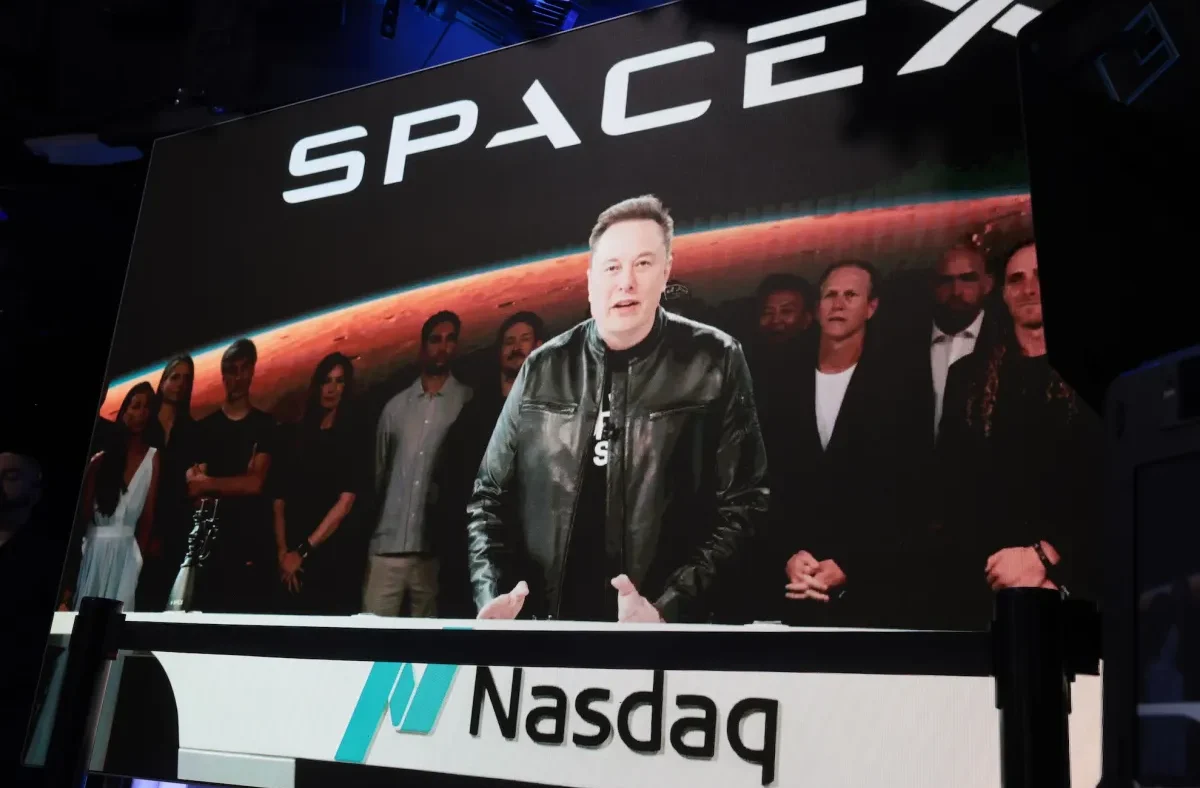
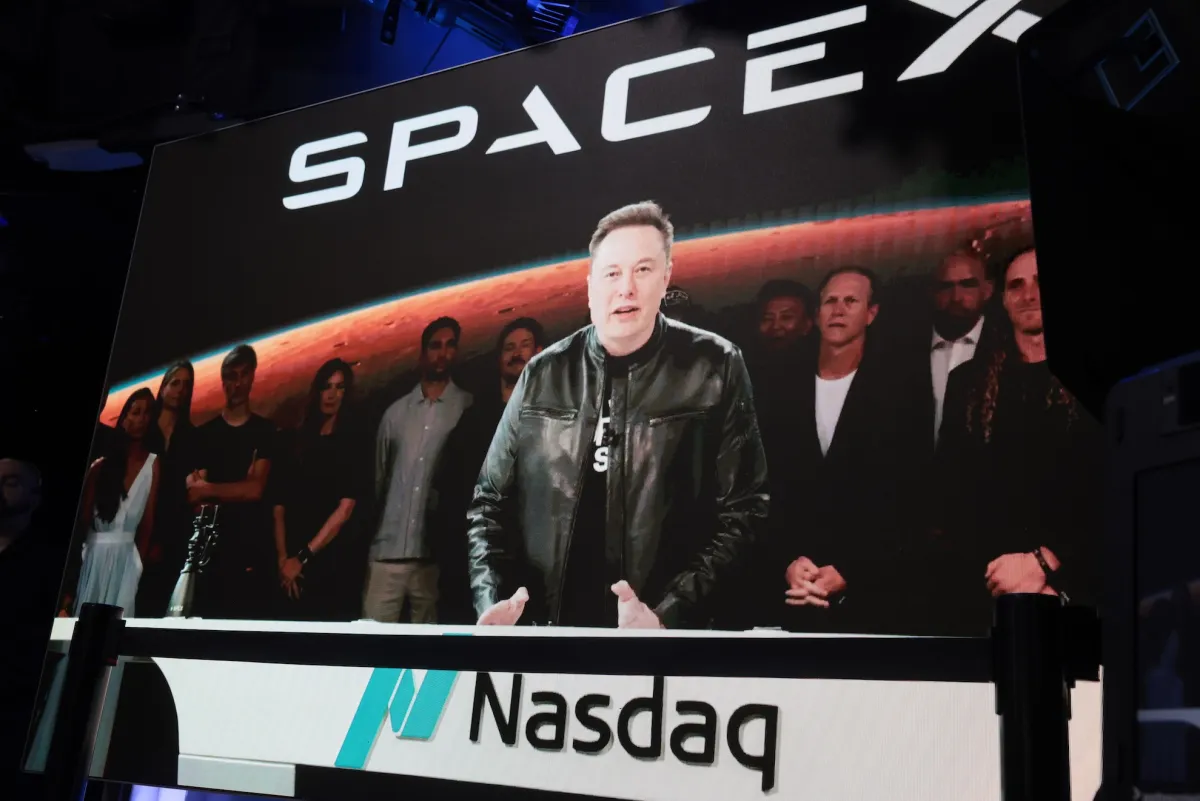
SpaceX officially went public, marking the largest initial public offering (IPO) in history by raising $75 billion. The company, known for its reusable rockets and Starlink satellite network, priced its 555.6 million shares at $135 each. This momentous event has not only propelled SpaceX into a new era but also reportedly made its founder and CEO, Elon Musk, the world’s first trillionaire.
Market Performance and Investor Excitement
The public debut saw SpaceX shares opening at $150 on the Nasdaq public exchange on June 12, an 11% surge from the IPO price. The stock continued its upward trajectory, closing at $160.95, a 19% increase on its first full day of trading. Heavy trading volume was reported, with platforms like Robinhood experiencing record-breaking traffic. This robust market performance underscores the immense investor interest and public anticipation surrounding the company.
Key facts:
| Metric | Detail |
|---|---|
| IPO Date | June 12 |
| Shares Offered | 6 million |
| IPO Price Per Share | $135 |
| Funds Raised | $75 billion |
| First Day Close | $160.95 (up 19%) |
Leadership Insights and Future Prospects
In an interview with CNBC, SpaceX COO Gwynne Shotwell made a notable comment regarding a potential merger between SpaceX and Tesla, suggesting it “might make Elon’s life a little easier.” This statement has garnered attention from Tesla shareholders and hints at potential future strategic alignments. The IPO also saw significant gains for the banks involved, with Goldman Sachs and Morgan Stanley reportedly earning around $500 million in fees. Elon Musk expressed his appreciation for SpaceX employees on X (formerly Twitter), highlighting their role in the company’s success.
Financials and Ownership Structure
The S-1 registration document provided an unprecedented look into SpaceX’s financials. The company reported a loss of $4.9 billion on revenues exceeding $18 billion in 2025, contributing to over $37 billion in losses since its inception. Despite these figures, Elon Musk maintains significant control, holding approximately 85.1% of the company’s voting power. The IPO is also set to create numerous millionaires among SpaceX employees, with reports suggesting around 4,400 employees could reach this status, according to the NYT.
Implications for Employees and Investors
While the IPO promises substantial gains for many, particularly Elon Musk and his inner circle, not all investors face immediate benefits. Lower-tier Special Purpose Vehicle (SPV) investors may encounter hidden fees, delayed payouts, and potential risks of fraud post-IPO lock-ups. The S-1 filing also warned prospective investors about future dilution, adding fuel to the Tesla merger rumors. The document detailed SpaceX’s future business prospects, including its dominant Starlink satellite internet offering and ambitions within its xAI division.
This historic IPO provides a crucial insight into the valuation and future trajectory of one of the world’s most ambitious private companies. For Indian readers interested in the tech and startup ecosystem, SpaceX’s public debut offers a benchmark for large-scale innovation, fundraising, and the complex interplay between visionary leadership and market realities. It also highlights the growing influence of space technology and satellite internet, areas that hold increasing relevance for connectivity and digital infrastructure development globally, including in India.
Source: TechCrunch AI (https://techcrunch.com/2026/06/15/spacex-is-public-everything-you-need-to-know-post-ipo/)