Source-led article
Anthropic’s Business Growth Surges Amidst Trump Administration Disputes
Anthropic, a leading artificial intelligence lab, has reportedly outpaced OpenAI in market share for business spending, marking a significant milestone despite recent governmental scrutiny. Fresh data from Ramp indicates that Anthropic’s business adoption continued to grow, even as the company faced renewed conflict with the Trump administration regarding its advanced AI models.
The AI firm achieved a record month in May, exceeding OpenAI’s share of business AI subscriptions for the first time. This surge in commercial use comes amidst controversies, including the administration’s demand to restrict access to Anthropic’s state-of-the-art models, Mythos 5 and Fable 5, for non-Americans.
Market Share Shift
According to Ramp’s analysis, Anthropic’s share of AI subscriptions paid by businesses climbed 2.5 percentage points in May, reaching 41%. This figure surpassed OpenAI’s 39.5%, which remained largely flat from the previous month. This shift highlights a growing preference among businesses for Anthropic’s offerings, particularly its Opus models. While OpenAI still maintains a lead in overall consumer usage, the enterprise landscape appears to be tilting.
Key Facts
| Fact | Detail |
|---|---|
| Anthropic Market Share (May) | 41% of business AI subscriptions |
| OpenAI Market Share (May) | 5% of business AI subscriptions |
| Key Models Used | Anthropic’s Opus models, especially later versions |
| Government Dispute | Trump administration demanded ban on non-American access to Mythos/Fable 5 |
Governmental Disputes and Their Impact
The Trump administration recently intensified its stance against Anthropic by demanding the company ban non-Americans, including its own employees, from accessing its latest models, Mythos 5 and Fable 5. This directive, citing an obscure export control, effectively forced Anthropic to withdraw these powerful models from the market shortly after their release. The underlying reason for the ban remains unclear, though speculation points to concerns over Fable 5’s guardrails being easily bypassed and the model’s capacity to identify software security flaws.
This is not the first instance of friction between Anthropic and the government. Previously, Anthropic’s refusal to allow its models for mass surveillance or autonomous weapons led the Trump administration to declare the company a supply chain risk in March. Ironically, this prior designation did not hinder, but rather appeared to boost, Anthropic’s sales to businesses.
The “Too Dangerous to Use” Aura
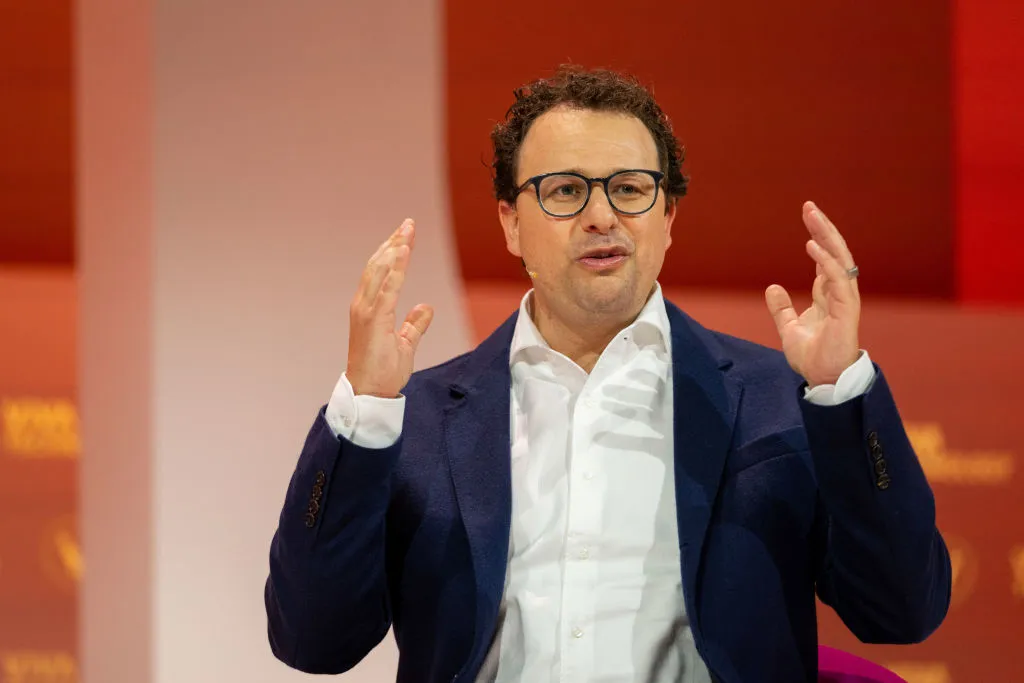
Ara Kharazian, Ramp’s lead economist, suggests that these governmental disputes might inadvertently benefit Anthropic. “If anything, it’ll probably boost them,” Kharazian told TechCrunch. He noted that Anthropic’s strongest month for business adoption coincided with the Department of Defense labeling it a supply chain risk. This phenomenon suggests that the controversy surrounding its models, particularly the perception of their “mythological power” and being “too dangerous to use,” could enhance their appeal among certain business users.
Focus on Opus Models
Despite the withdrawal of Mythos 5 and Fable 5, Anthropic’s existing Opus models continue to be a strong performer. Ramp’s data, gathered from over 70,000 businesses, indicates that companies heavily utilize various versions of Claude Opus. This model, which predates Mythos, remains openly available and recently saw an update with the release of Opus 4.8 in late May. The majority of business spending on Anthropic’s AI is directed towards API calls to models like Opus for tasks such as coding, where Claude Code has established a strong reputation.
Implications for Indian Businesses and AI Policy
For Indian businesses, especially those in the rapidly expanding AI and tech sectors, Anthropic’s trajectory offers valuable insights. The company’s ability to maintain and even accelerate business growth amidst regulatory challenges underscores the strong demand for advanced AI tools in the enterprise space. Indian companies evaluating AI solutions should note the preference for models like Anthropic’s Opus for specific applications, such as coding. Furthermore, the interplay between AI development, national security concerns, and market dynamics, as seen in the US, could inform discussions around India’s own emerging AI policies and regulatory frameworks under initiatives like the IndiaAI Mission. The case also highlights the potential for geopolitical factors to influence AI model availability and strategic choices for businesses globally, including those in India.
Source: TechCrunch AI – https://techcrunch.com/2026/06/16/anthropics-latest-feud-with-the-trump-admin-may-actually-help-it-sales-data-suggests/