
Source-led article
AI Boom Drives Memory Crunch, Reshaping India’s Smartphone Market
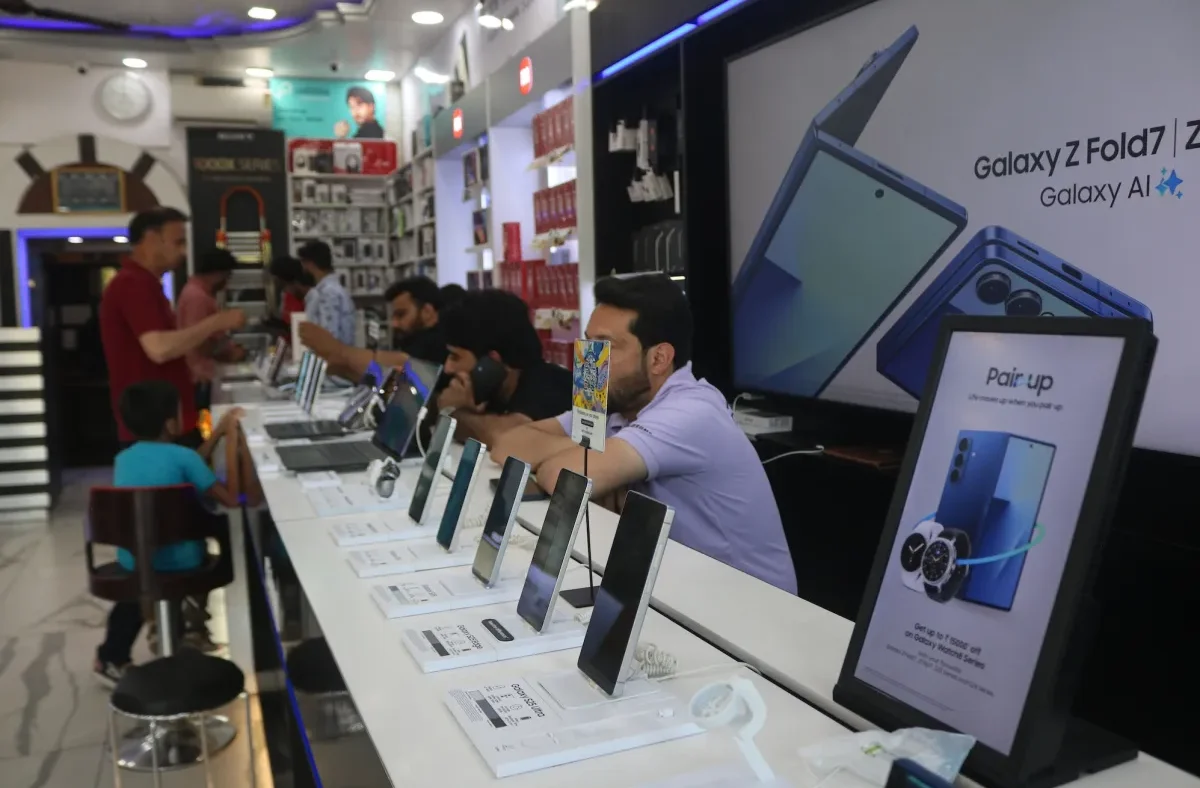
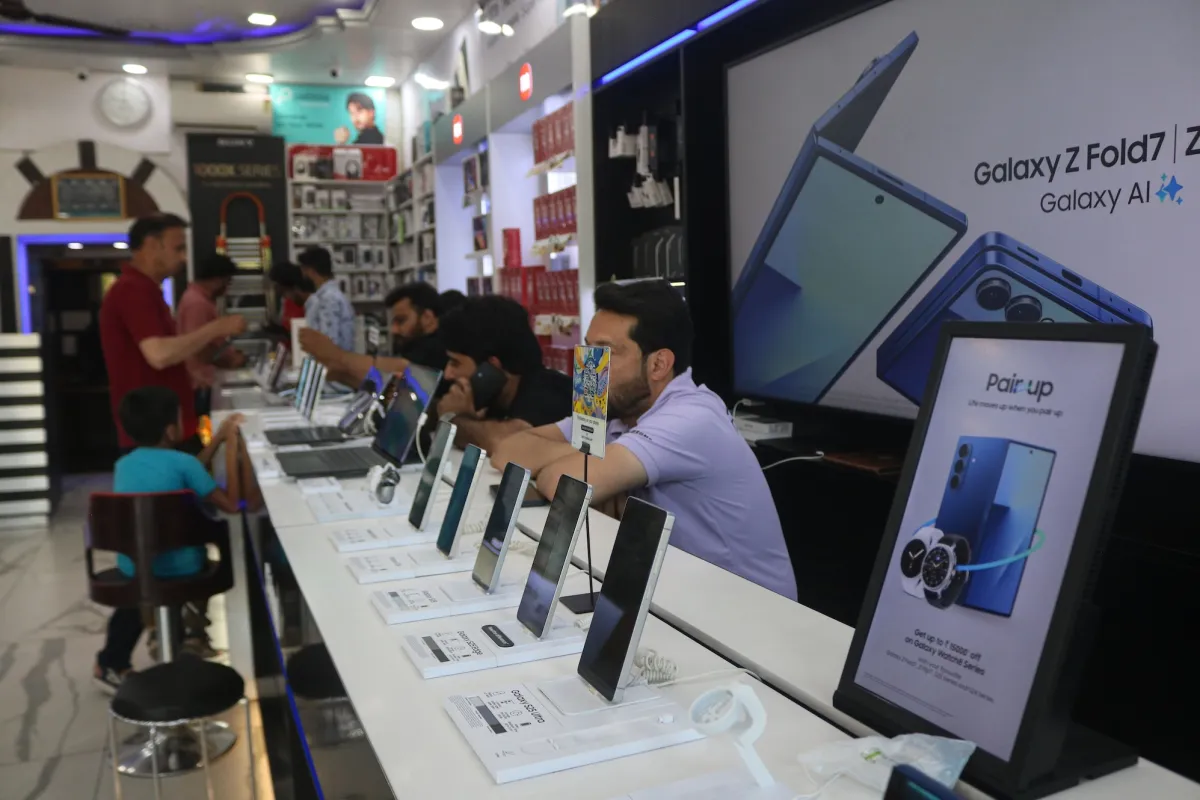
The burgeoning global demand for memory chips, driven by the artificial intelligence (AI) sector, is creating significant ripples across India’s smartphone market. Analysts had previously warned of this impending disruption, and now India is experiencing its effects firsthand, with rising handset prices leading to a notable slowdown in smartphone shipments. This shift is reshaping consumer behavior and corporate strategies within one of the world’s largest smartphone markets.
The core of the issue lies with RAM and storage components, which are crucial for both AI data centers and consumer electronics. Major memory manufacturers like Samsung, SK Hynix, and Micron are increasingly prioritizing the production of high-bandwidth memory (HBM) – specialized chips essential for AI accelerators. HBM offers significantly higher profit margins per wafer compared to standard memory chips used in smartphones and laptops. This strategic shift has reduced the available capacity for conventional memory, consequently driving up costs for everyday consumer devices.
Market Slowdown and Price Impact
India, the second-largest smartphone market globally by shipments, recorded a 10% year-over-year decline in shipments during the April-June quarter. This marks the steepest June-quarter fall in six years, according to market research firm Counterpoint Research. The impact has been particularly severe in India compared to China, where smartphone shipments saw a more modest 2% decline in the same period.
According to Tarun Pathak, Vice President of Research at Counterpoint, India’s market is hit harder because approximately 60% of its smartphone sales are concentrated in the sub-₹20,000 (under $210) segment. In this price-sensitive category, higher memory costs have had the most pronounced effect on retail prices. Smartphone prices in India have reportedly increased by 4% to 68%, depending on the model.
Key facts
| Metric | Q2 2024 India Smartphone Shipments |
|---|---|
| Year-over-year decline | 10% |
| Sub-₹15,000 segment | 45% decline |
| Samsung growth (YoY) | 2% |
| Apple decline (YoY) | 3% |
Consumer Behaviour Shifts
The rising prices are prompting Indian consumers to adjust their purchasing habits. While an outright abandonment of smartphones is unlikely, many are expected to delay upgrades, extending replacement cycles from roughly 3.5 years to around four years. Premium brands, such as Apple and Samsung, appear to be more insulated from this slowdown, as consumers of higher-end devices are generally less sensitive to price increases, often relying on financing options to make purchases more affordable.
The most acute pain is felt at the lower end of the market. Shipments in the sub-₹15,000 (under $150) segment plummeted by 45% from the previous year. This segment is heavily dominated by Chinese brands, whose combined market share has fallen to its lowest level for a second calendar quarter since 2020.
Strategic Realignment for Brands
The challenging economic landscape is forcing smartphone brands to reconsider their strategies. For instance, Chinese brand OnePlus recently announced it would cease launching new products in Europe and North America, opting to maintain its focus on the Indian market. Data from Counterpoint indicates that China accounted for 74% of OnePlus’ global shipments to distributors and retailers in Q1, up from 59% a year prior, while India’s share dropped from 30% to 19%. This suggests a trend where budget-focused brands are retreating to markets where profitability remains viable.
Industry experts believe that running multiple sub-brands only makes financial sense if each generates sufficient volume to cover shared costs. With shrinking margins, this model becomes unsustainable, pushing brands to consolidate their efforts and focus on core markets.
Outlook for the Indian Market
Kiranjeet Kaur, Associate Research Director for mobile phones research at IDC, notes that the Indian smartphone market is transitioning from volume-led growth to value growth. This implies that fewer phones will be sold overall, but each unit will generate more revenue due to higher component costs making lower-priced smartphones increasingly uneconomical.
Memory shortages and elevated smartphone prices are projected to persist until at least the end of 2027. However, the pace of price increases is expected to moderate as consumers gradually adapt to the new pricing norms. The weaker Indian currency further exacerbates the situation, making imports costlier and adding to margin pressures for market players, who are consequently passing these costs on to consumers. Brands and retailers are also building inventory ahead of the festive season to lock in lower costs before further price hikes.
Source: TechCrunch AI, https://techcrunch.com/2026/07/17/ai-driven-memory-crunch-jolts-indias-smartphone-market/