Source-led article
EU AI Act’s Deepfake Definition Challenges Retailers, India Watches Closely
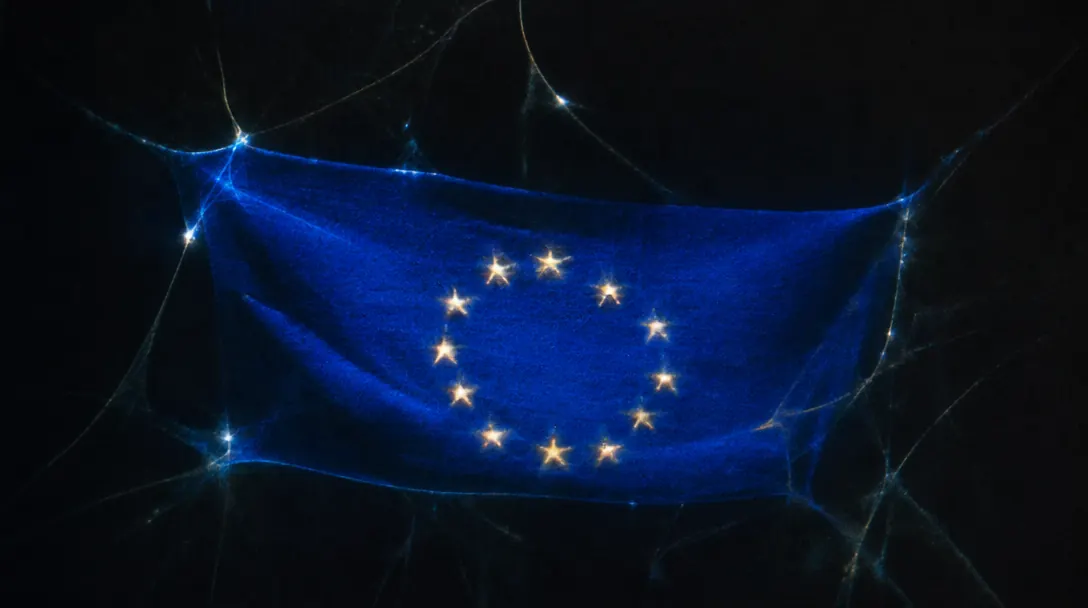
The European Union’s upcoming AI Act, set to take effect on August 2, is creating significant friction within the retail sector, particularly concerning its definition of “deepfakes.” Eurocommerce, a powerful trade association representing major retailers like Amazon, H&M, Inditex, and IKEA, is actively lobbying for an exemption for AI-generated advertising content from the Act’s stringent transparency requirements. This push highlights a growing global debate over how to regulate AI-generated content without stifling innovation, a conversation that India, with its own burgeoning AI ecosystem, is closely monitoring.
The core of the dispute lies in the EU law’s broad classification of “deepfakes,” which mandates clear labeling for all AI-generated or AI-altered content that falls under this definition. Eurocommerce Director General Christel Delberghe argues that an AI-generated image of a living room used to display a sofa should not be categorized as a deepfake. Such content, she contends, is not intended to deceive and plays a crucial role in modern e-commerce marketing.
The Rise of AI in Retail Marketing
Retailers are rapidly integrating generative AI into their marketing strategies. Zalando, for instance, reports that an astonishing 90% of the marketing content on its platform is now AI-generated. Matthias Haase, VP of Content Solutions at Zalando, emphasizes how generative AI has transformed their workflow, reducing content creation time from weeks to mere days, with a target of under 24 hours from trend identification to live content. Similarly, H&M and Zara are utilizing AI to create virtual models for their advertising campaigns.
This widespread adoption underscores the retail industry’s reliance on AI for efficiency and scale. Imposing deepfake labeling requirements on such commonplace marketing visuals, Eurocommerce argues, would not only impact a massive volume of advertising but also dilute the true intent of transparency rules designed to combat malicious deepfakes.
The “Deepfake” Dilemma
The EU’s current interpretation of “deepfake” is drawing criticism for its breadth. The term itself originated in the context of non-consensual pornography and is predominantly associated with fraud, misinformation, or other illicit activities. Applying this label to an AI-generated product image of a sofa, critics argue, blurs the lines and misrepresents the technology’s primary use in legitimate commercial applications. This ambiguity in definition creates a regulatory challenge, as it risks overregulating benign uses of AI.
Key Facts
| Feature | Detail |
|---|---|
| EU AI Act Effective Date | August 2 |
| Transparency Requirement | Clear labeling for AI-generated/altered content classified as “deepfake” |
| Eurocommerce Members | Amazon, H&M, Inditex, IKEA |
| Zalando AI Content | 90% of marketing content is AI-generated |
Implications for India
As the EU grapples with these regulatory nuances, India’s own approach to AI governance will likely be influenced by international precedents. India is actively developing its AI strategy, with initiatives like the IndiaAI Mission focusing on responsible AI development and deployment. The debate in the EU highlights the importance of precise definitions and clear distinctions in AI regulation to avoid unintended consequences for industries.
Indian regulators will need to consider how to balance fostering innovation in AI-driven sectors like e-commerce and advertising with the need to protect consumers from genuinely deceptive AI content. Learning from the EU’s experience, particularly the challenges in defining and applying terms like “deepfake” to commercial content, could help India craft more effective and industry-friendly AI policies. The outcome of Eurocommerce’s lobbying efforts could set a precedent for how AI-generated marketing content is treated globally.
Source: The Decoder, https://the-decoder.com/the-eu-doesnt-really-know-what-a-deepfake-is-and-thats-becoming-a-problem-for-retail/