
Source-led article
Google’s SynthID Debunks AI-Generated McConnell Hoax Image
Google’s SynthID system has been instrumental in debunking a high-profile AI-generated hoax image, marking a significant success for anti-deepfake technology. The incident involved a picture circulated online that falsely depicted Kentucky Senator Mitch McConnell in severe distress in a hospital bed.
The image, which quickly gained traction across platforms like Reddit and X, was later identified as an AI-generated fake by fact-checking site Snopes. Their verification process revealed that the image contained a SynthID watermark, a digital signature designed by Google to identify AI-generated content. This case demonstrates the practical application and effectiveness of such watermarking in combating the spread of misinformation.
Key facts
| Feature | Detail |
|---|---|
| Technology | Google SynthID |
| Incident | Debunking of AI-generated Mitch McConnell hoax image |
| Functionality | Invisible watermark for AI-generated images |
| Availability | Integrated with Gemini models (since 2025), OpenAI (since May 2026) |
The McConnell Hoax and SynthID’s Role
The fabricated image of Senator McConnell emerged amidst ongoing public speculation about his health, following his hospitalization in June. This context made the hoax particularly impactful, as it played into existing public concerns. The rapid debunking by Snopes, leveraging SynthID’s embedded watermark, prevented further propagation of the false narrative. SynthID’s design ensures that its invisible signature persists even when images are screen-captured and shared across various platforms, a crucial feature in today’s digital landscape.
How SynthID Works
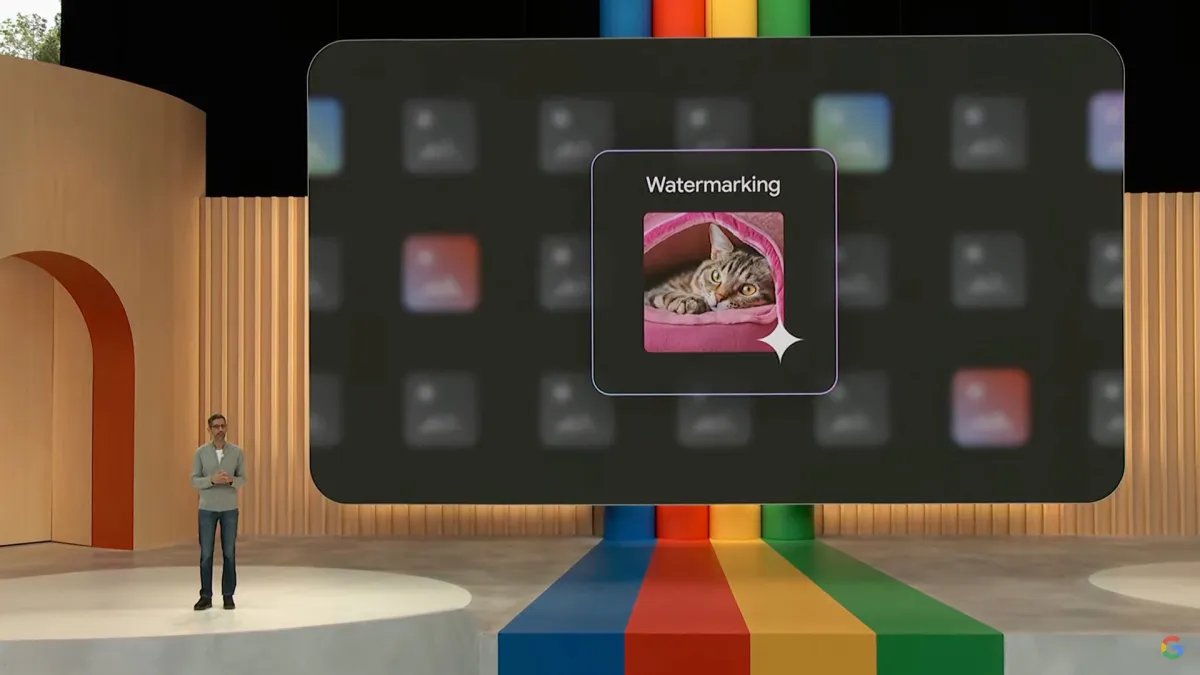
Launched at Google’s I/O developer conference in 2025, SynthID functions by embedding an imperceptible watermark directly into AI-generated images. While invisible to the human eye, this signature is detectable by SynthID algorithms. This allows for reliable identification of content created by participating AI image generation tools. Google’s Gemini models have incorporated SynthID since its launch, and OpenAI joined the program in May 2026 as part of broader efforts to counter malicious AI-generated content. However, not all AI developers, such as Anthropic, currently participate in the program.
Implications for Digital Trust in India
For Indian readers and digital media professionals, the McConnell deepfake incident underscores the increasing sophistication of AI-generated misinformation and the critical need for robust detection mechanisms. As AI tools become more accessible, the potential for generating convincing, yet false, visual content grows. Technologies like SynthID offer a vital layer of defense, helping to maintain trust in digital information. The adoption by major AI players like Google and OpenAI signifies a collective move towards responsible AI development and deployment.
Verifying AI-Generated Content
Users can verify if an image contains a SynthID watermark by using Gemini models or by uploading the image to OpenAI’s public image verification tool. This accessibility empowers individuals and organizations to independently check the authenticity of visual content, contributing to a more informed digital environment. The ongoing development and wider adoption of such verification tools are crucial steps in the global fight against deepfakes and digitally manipulated media.
Source: TechCrunch AI: https://techcrunch.com/2026/07/08/googles-deepfake-detector-system-used-to-debunk-mcconnell-hoax-pic/