
Source-led article
Indian Unicorn Founders Pivot to AI-Native Startups
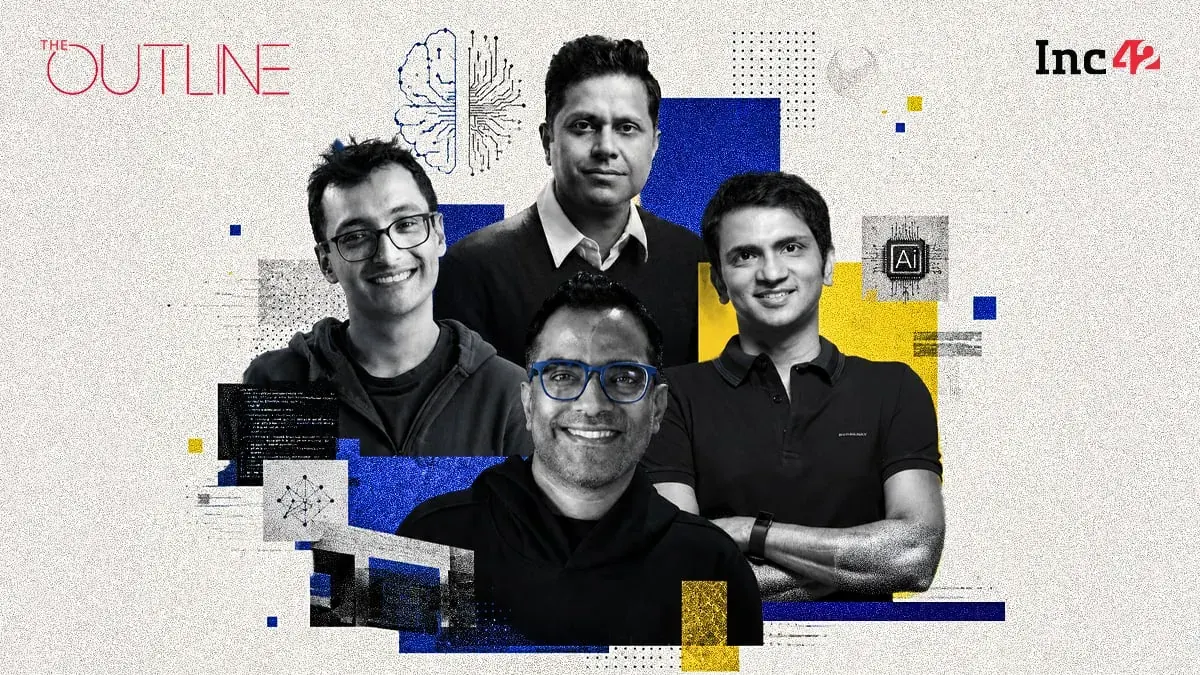
A significant shift is underway in India’s startup ecosystem, with seasoned entrepreneurs who previously built successful “unicorn” companies now focusing on AI-native ventures. This trend moves beyond merely integrating AI into existing platforms, instead centering entire product architectures around artificial intelligence. These founders are leveraging their experience to tackle new opportunities in enterprise AI, automation, and specialized sectors.
Neo: A New Workplace AI Platform
Bhavin Turakhia, founder of Zeta, is among the latest to join this movement. He recently launched Neo, an AI-native workplace platform, backed by a personal investment of $30 million. Unlike traditional software that adds AI assistants, Neo aims for AI agents to work autonomously alongside employees, managing tasks and accessing organizational knowledge bases. This approach signals a deeper integration of AI into daily operations.
Key facts
| Founder | Previous Venture | New AI Venture | Focus |
|---|---|---|---|
| Bhavin Turakhia | Zeta | Neo | AI-native workplace platform |
| Mukesh Bansal | Myntra, Cult.fit | Nurix AI | Enterprise AI agents, customer support |
| Mukund Jha | Dunzo | Emergent | AI-powered coding tools |
| Binny Bansal | Flipkart | Optra | AI for e-commerce operations |
| Shahank ND | Practo | Cent | Advanced diagnostic healthcare |
Enterprise AI Dominance
Many of these second-time founders are targeting the enterprise sector. Mukesh Bansal, known for Myntra and Cult.fit, founded Nurix AI to develop enterprise AI agents for customer support, sales, and internal operations. Nurix AI recently acquired conversational AI startup Verloop to strengthen its platform. Similarly, Binny Bansal, co-founder of Flipkart, established Optra to apply AI to e-commerce operations and supply chains, aiming to enhance efficiency and reduce costs for retailers.
AI in Development and Healthcare
The application of AI by these founders extends to specialized domains. Mukund Jha, co-founder of Dunzo, is building Emergent, a startup focused on AI-powered coding tools that generate software rather than just assisting developers. This addresses the growing demand for automating parts of the software development lifecycle. In healthcare, Shahank ND, who founded Practo, launched Cent to integrate advanced diagnostic technology into preventive healthcare. Even Zetwerk’s co-founder Rahul Sharma has transitioned to launch an AI robotics startup.
Consumer AI and Infrastructure
While enterprise AI is a major draw, innovation is also happening in consumer-facing applications. Kabeer Biswas, after his exit from Flipkart, launched “M,” a startup aiming to automate household chores, starting with the kitchen. This venture envisions AI assistants handling everyday tasks within homes, moving beyond simple voice commands. Bhavish Aggarwal, initially focused on Indian large language models, has pivoted towards AI cloud infrastructure and enterprise services, recognizing the foundational needs of the burgeoning AI industry.
Challenges and Opportunities
These experienced founders, while having an advantage in fundraising and scaling, face new challenges. Building frontier AI products requires substantial capital for model training, GPU procurement, cloud infrastructure, and top AI talent—costs that often exceed early-stage funding rounds of a decade ago. They are also competing with global giants like OpenAI, Anthropic, Google, and Meta, which invest billions in AI research and development. India’s AI market is projected to exceed $126 billion by 2030, with enterprise software being a significant contributor. Success for these founders will depend on creating products that address specific problems overlooked by global incumbents, leveraging their deep understanding of the Indian market and business landscape.
Source: Inc42 – “Unicorn Founders Go AI Native” (https://inc42.com/features/unicorn-founders-go-ai-native/)