
Source-led article
Norway Bans Generative AI in Elementary Schools to Prioritize Foundational Learning
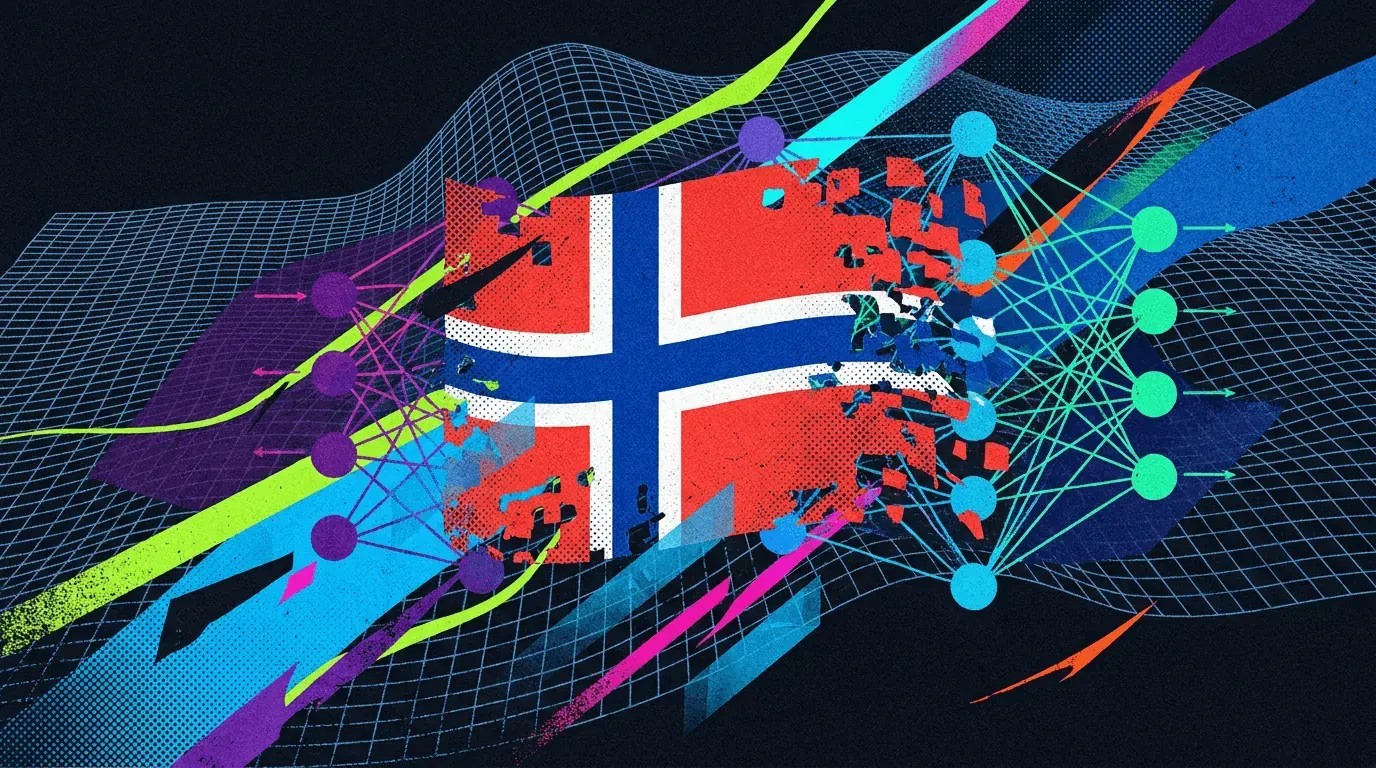
Norway is instituting a broad ban on generative artificial intelligence tools in elementary schools, with restrictions also applying to secondary education. This move, set to take effect in late August, aims to safeguard foundational learning skills among young students. Prime Minister Jonas Gahr Stoere emphasized that the primary goal of schooling is for children to master reading, writing, and mathematics, expressing concern that “uncritical use of AI causes students to skip important learning steps.”
The new regulations will prohibit students in grades 1 through 7 (ages 6 to 13) from using AI tools altogether. For students in lower secondary school (ages 14 to 16), AI tools may only be used cautiously and under direct supervision. Older students will receive instruction on appropriate AI usage. This policy reflects a broader concern about a decline in learning outcomes observed since approximately 2015, which the Prime Minister attributes partly to the pervasive influence of smartphones, screens, and algorithms.
Government Initiatives and Broader Context
Beyond the AI ban, the Norwegian government plans to enact legislation requiring municipalities to provide physical teaching materials in schools, signaling a return to more traditional learning resources. This includes an emphasis on bringing more physical books back into classrooms, countering what Stoere described as previous governments giving “digital media too much weight.” Norway has also previously banned smartphones in schools, increased teacher authority, and is considering a social media ban for children under 16.
This policy aligns with similar cautious approaches seen in other nations. Japan, for instance, issued guidelines in 2023 recommending special caution for children under 13 regarding AI use and categorizing AI-generated schoolwork as cheating. In the United States, a 2024 court ruling affirmed schools’ right to penalize unauthorized AI use, with institutions like UC Berkeley Law School planning to ban AI for most graded assignments starting in summer 2026.
Key facts
| Policy Aspect | Details |
|---|---|
| Target Group | Elementary school students (grades 1-7, ages 6-13) |
| AI Use | Complete ban on generative AI tools |
| Secondary Schools | Restricted use under supervision (grades 8-10, ages 14-16) |
| Rationale | Protect foundational learning skills (reading, writing, math) and prevent “skipping important learning steps” |
| Implementation Date | Late August (start of new school year) |
Differing Global Approaches
While some countries are adopting a restrictive stance, others are integrating AI into their educational frameworks. The United Arab Emirates (UAE) plans to make AI a mandatory subject from kindergarten through 12th grade starting in the 2025-26 school year. In Germany, the Conference of Ministers of Education has advocated for weaving AI into classroom activities, deeming an outright ban “unrealistic and untenable.” This highlights a global divergence in how educational systems are responding to the rapid advancement and accessibility of AI technologies.
For Indian readers, this development in Norway underscores the ongoing global debate on the role of AI in early education. As India’s National Education Policy 2020 emphasizes digital literacy and future-ready skills, understanding how other nations balance technological integration with foundational learning is crucial. The Norwegian approach reflects a precautionary principle, prioritizing traditional learning methods for young children before introducing advanced AI tools, a consideration that could inform policy discussions in India regarding the phased introduction and supervised use of AI in schools.
Source: The Decoder, https://the-decoder.com/norway-bans-generative-ai-tools-in-elementary-schools-to-protect-kids-basic-learning-skills/