
Source-led article
OpenAI Shifts AI Browser Strategy, Integrates Features into ChatGPT Desktop and Chrome Extension
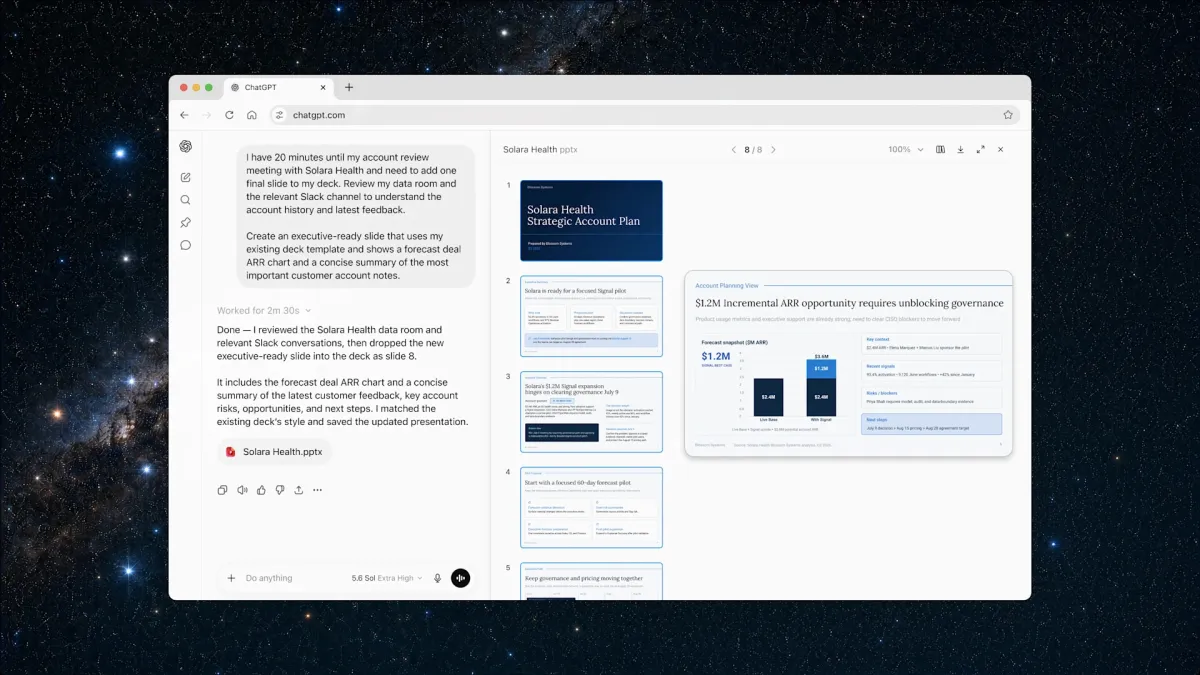
OpenAI has announced the discontinuation of its AI-powered browser, Atlas, less than a year after its launch. The company, however, is not abandoning its vision for AI-assisted web browsing. Instead, it plans to redistribute the “agentic browsing” features developed for Atlas into its ChatGPT desktop application and a new Google Chrome extension. This move reflects a strategic pivot to integrate AI capabilities directly into existing user workflows rather than attempting to displace established web browsers.
The decision to sunset Atlas follows a broader directive within OpenAI to streamline projects, including the earlier closure of its AI video generation tool, Sora. While several AI companies have attempted to create AI-centric browsers in recent months, OpenAI appears to have concluded that the browser is more effectively a feature within existing platforms.
Key facts:
| Aspect | Detail |
|---|---|
| Product sunset | Atlas AI-powered browser |
| New integration | ChatGPT desktop app, Google Chrome extension |
| Features moved | Agentic browsing features from Atlas |
| Strategic shift | Embed AI into existing user environments |
Enhanced ChatGPT Desktop App
The ChatGPT desktop application is set to receive a significant upgrade, incorporating a more robust browser. This enhanced functionality will allow users to browse websites, log into accounts, download files, and interact with web pages directly within the ChatGPT environment. A separate cloud browser, running remotely on OpenAI’s servers, will enable the app’s AI agents to complete tasks on behalf of the user, transforming ChatGPT into a more integrated workspace.
New Chrome Extension for Contextual AI
OpenAI is also launching a new ChatGPT extension for Google Chrome. This extension will grant ChatGPT access to the context of the webpage a user is currently viewing. Users will be able to ask questions about webpage content, generate summaries, or initiate more complex tasks directly from their browser. This feature positions the ChatGPT Chrome extension as a direct competitor to Google’s Gemini Side Panel, which offers similar contextual AI capabilities.
Implications for Indian Users and Businesses
For Indian users and businesses leveraging AI tools, this strategic shift means more seamless integration of AI into daily browsing and work. Instead of adopting a new browser, individuals and organizations can benefit from AI-powered web interactions directly within Chrome, the most widely used browser, and the ChatGPT desktop app. This could lead to increased productivity for research, content creation, and data analysis by allowing users to quickly summarize articles, extract information, or automate tasks without switching applications. The move highlights a trend towards embedding AI as an assistive layer within existing digital ecosystems, making advanced AI functionalities more accessible and less disruptive to established workflows.
This development underscores OpenAI’s evolving strategy in the competitive AI landscape, focusing on utility and integration over standalone applications. By bringing advanced browsing capabilities to platforms where users already spend their time, OpenAI aims to enhance the practical application of its AI models.
Source: TechCrunch AI – https://techcrunch.com/2026/07/09/openai-is-shutting-down-atlas-but-its-ai-browser-ambitions-are-still-growing/