
Source-led article
OpenAI and SpaceX Join Tech Giants in Custom AI Chip Development, Challenging Nvidia’s Dominance
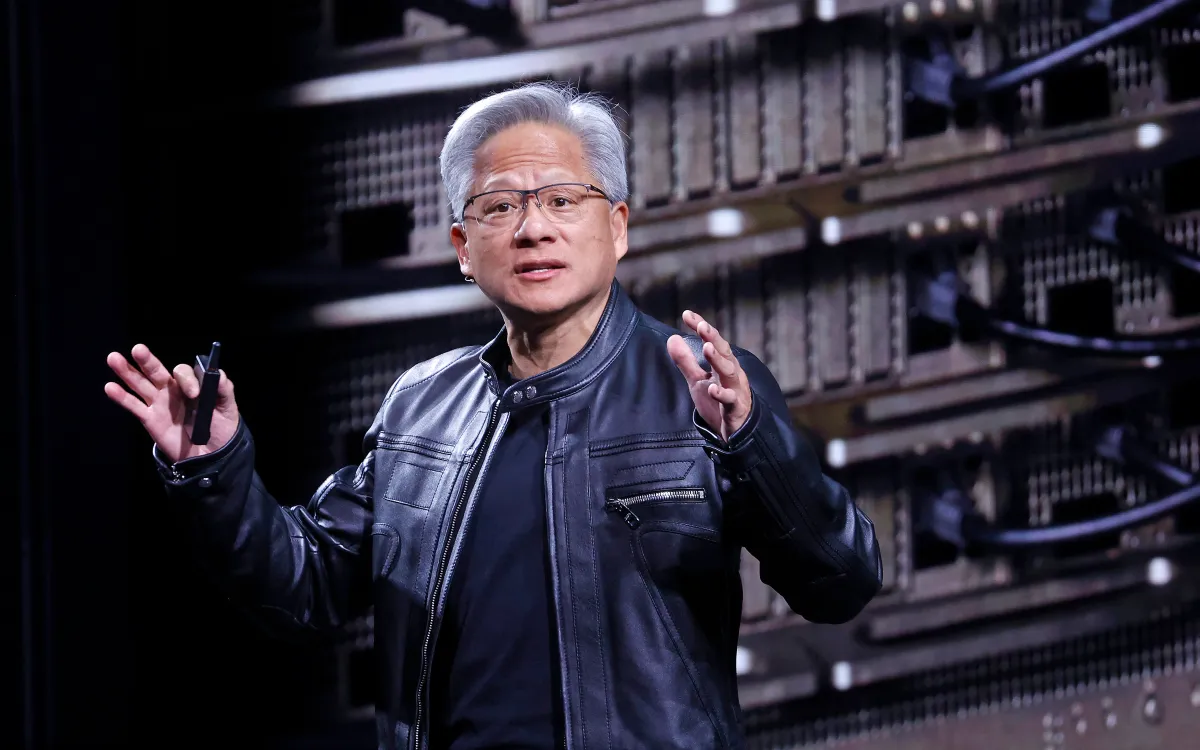
The landscape of artificial intelligence hardware is undergoing a significant shift as major technology companies, including OpenAI and SpaceX, are increasingly investing in developing their own custom AI chips. This strategic move aims to reduce their dependence on established suppliers like Nvidia, which has long dominated the AI chip market. These companies seek greater control over their hardware, optimize performance for specific AI workloads, and mitigate the risks associated with single-supplier reliance.
OpenAI’s recent announcement regarding its custom inference chip, codenamed “Jalapeño,” developed in collaboration with Broadcom, highlights this trend. This initiative places OpenAI alongside other tech giants such as Google and Apple, which have successfully leveraged custom silicon to enhance their product ecosystems.
The Push for Custom Silicon
For years, Nvidia’s GPUs have been the go-to solution for AI development and deployment due due to their unparalleled parallel processing capabilities. However, the rapidly evolving demands of AI—from large language models to complex data analysis—are pushing companies to seek more tailored hardware solutions. Custom silicon offers several key advantages.
Firstly, it provides a higher degree of control over the hardware architecture, allowing companies to design chips optimized for their unique AI models and computational requirements. This can lead to significant performance gains and energy efficiency improvements that off-the-shelf solutions cannot match. Apple’s successful transition from Intel processors to its own M-series chips for its Mac lineup serves as a prime example of the performance benefits achievable through custom silicon.
Secondly, developing in-house chips reduces the risk associated with relying on a single external supplier. Supply chain disruptions, pricing fluctuations, or a lack of specific features can all pose significant challenges for companies heavily dependent on a sole provider. By building their own chips, companies can better manage their supply chain and ensure a stable source of critical hardware.
Implications for the AI Industry
This growing trend has profound implications for the broader AI industry and for companies operating in India’s burgeoning AI sector. While Nvidia is expected to remain a dominant player, the emergence of custom chips from major tech innovators could foster increased competition and drive further innovation in AI hardware. Indian AI startups and enterprises might find new opportunities to collaborate with these custom chip developers or explore specialized hardware solutions for their unique applications.
The move towards custom silicon also signals a maturing of the AI ecosystem, where hardware and software development are becoming increasingly intertwined. Companies that can design both their AI models and the underlying hardware to run them optimally are likely to gain a competitive edge. This could influence investment trends and talent acquisition within the Indian tech landscape, emphasizing skills in chip design, embedded systems, and AI-hardware co-optimization.
Key facts:
| Feature | Detail |
|---|---|
| Companies Involved | OpenAI, SpaceX, Google, Apple |
| OpenAI’s Chip | “Jalapeño,” custom inference chip built with Broadcom |
| Primary Goal | Reduce reliance on Nvidia, gain control, optimize performance |
| Impact | Increased competition in AI chip market, hardware-software co-optimization |
Future Outlook for AI Hardware
The shift towards custom AI chips is not necessarily a complete abandonment of external suppliers but rather a strategic hedge. Companies aim to diversify their hardware portfolio and gain more leverage in negotiations with existing providers. This could lead to a more dynamic and competitive AI chip market, benefiting the entire industry through accelerated innovation and potentially more diverse hardware options.
For Indian businesses and researchers, this trend underscores the importance of staying abreast of hardware advancements in AI. Understanding the capabilities and limitations of various chip architectures—both commercial and custom—will be crucial for making informed decisions about infrastructure investments and optimizing AI model deployment. The push for localized and specialized AI solutions in India could also spur domestic chip design and manufacturing capabilities in the long run.
Source: TechCrunch AI – https://techcrunch.com/video/why-everyone-from-openai-to-spacex-is-building-their-own-chips-and-turning-up-the-heat-on-nvidia/