Source-led article
Panic Over Chinese AI Models: A Familiar Pattern, or a Genuine Threat?
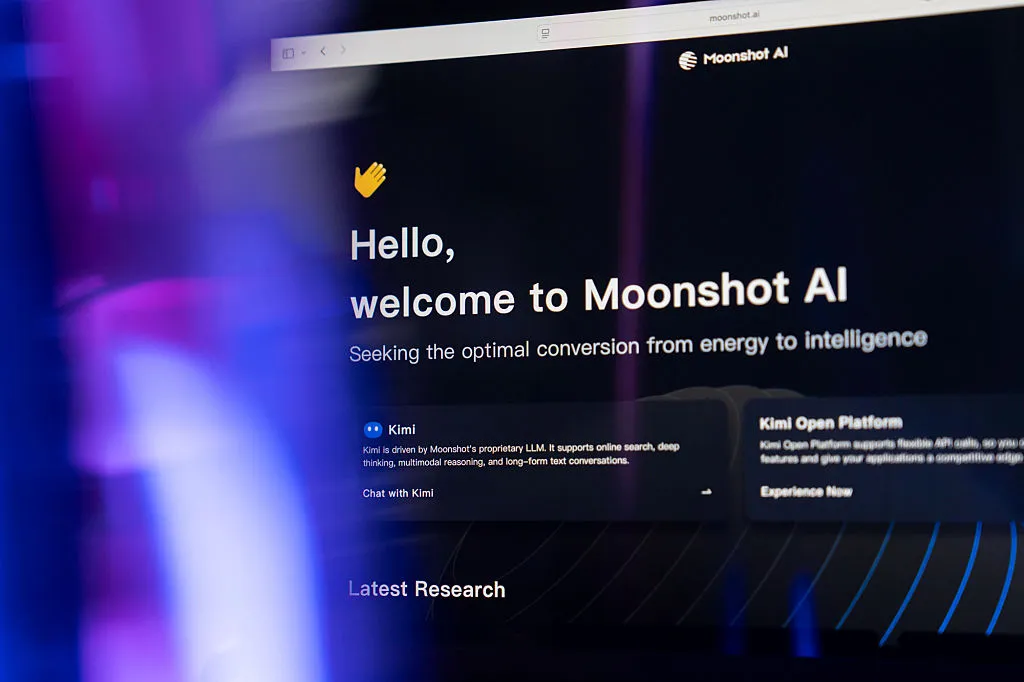
The launch of a new Chinese AI model has once again sent ripples through Silicon Valley and Washington, D.C., reviving a familiar cycle of panic, political lobbying, and sharp debate over open versus proprietary artificial intelligence. TechCrunch’s Equity podcast hosts Kirsten Korosec, Sean O’Kane, and Anthony Ha spent the latest episode dissecting why Moonshot AI’s Kimi model triggered such an intense reaction—and what it reveals about the state of the global AI race.
At the heart of the discussion is a pattern that India’s AI community has seen before. When DeepSeek previously gained attention, the script was similar: a Chinese model emerges, benchmarks show it is competitive with frontier US models, and a portion of the tech industry reacts with alarm. Kimi, according to the podcast, fits that mold perfectly.
The Fear Factor: Open Weights and Security Concerns
One of the primary drivers of the latest panic is Kimi’s open-weight nature. Critics argue that open Chinese models could carry hidden biases, lack adequate guardrails, or pose security risks. These concerns have been amplified by prominent figures, including David Sacks, the former Trump administration AI czar, who used the moment to push for fewer data centre regulations and a more aggressive US stance.
However, as Kirsten Korosec noted on the podcast, the debate also masks a protectionist undercurrent: “Are we accelerating and ensuring that Americans win the AI race, or are we ensuring that certain frontier labs do better than others?” The comment points to the possibility that heavy restrictions on Chinese models could primarily benefit US frontier labs like OpenAI and Anthropic, rather than the broader American innovation ecosystem.
Lobbying and the “Say the Quiet Part Out Loud” Moment
The episode highlights a candid moment from Dean Ball, OpenAI’s head of strategic futures, who posted a lengthy argument suggesting the US should create regulatory “FUD” (fear, uncertainty, and doubt) to hinder Chinese open-weight models. While Ball later stepped back from that position, his initial post was seen by many as an admission of protectionist intent. Sean O’Kane observed that some responses to Ball essentially said: “You’re not supposed to say that out loud, Dean.”
OpenAI and Anthropic have reportedly been lobbying regulators in Washington with concerns about open Chinese models, further blurring the line between national security arguments and corporate interests. For Indian startups and enterprises that rely on open-weight models for cost-effective innovation, these developments are worth watching. Any US regulatory clampdown could shape the availability of open models globally, including in India.
Kimi’s macOS Demo: Impressive Reproduction, Not a True OS
Part of the frenzy was fuelled by demonstrations showing Kimi recreating a graphical interface resembling macOS in 30 minutes. Sean O’Kane was quick to contextualise: “It made a pretty impressive graphical reproduction of what macOS looks like, but it’s not an OS.” The incident underscores how easily technical demos can fuel exaggerated expectations. The industry’s jumpiness, he argued, stems from a constant readiness to believe a new model will “blow everything else away.”
What This Means for India’s AI Landscape
For Indian developers, researchers, and product builders, the recurring US-China AI anxiety carries direct implications. India’s AI ecosystem leans heavily on open-source and open-weight models to drive innovation at lower costs. If the US enacts restrictions on Chinese open models—whether through export controls, licensing, or regulatory pressure—Indian entities may face reduced access to competitive AI tools. Conversely, the debate also highlights the value of sovereign AI capabilities, something the IndiaAI Mission and MeitY are actively working on.
The TechCrunch podcast did not offer a definitive answer on whether the panic is justified, but it made clear that the pattern is repeating. As Anthony Ha summed up: “It seems as soon as you add the word China to any discussion, things just ramp up dramatically.”
Datos clave
| Aspect | Details |
|---|---|
| Model in Focus | Moonshot AI’s Kimi – open-weight AI model |
| Key Concerns | Security risks, bias, protectionism, impact on US frontier labs |
| Notable Figures | Dean Ball (OpenAI), David Sacks, TechCrunch Equity hosts |
Readers should keep an eye on any regulatory moves from Washington, as well as follow-ups from Indian policymakers on how such global dynamics might affect the country’s AI supply chain. For now, the episode serves as a reminder to evaluate each new Chinese model on its actual capabilities, not on the panic it generates.
Source: TechCrunch – “Making sense of the panic over Chinese AI” – https://techcrunch.com/2026/07/26/making-sense-of-the-panic-over-chinese-ai/