
Source-led article
RedBus Leverages AI and Hyperlocal Strategies as Small Towns Drive 60% of Business
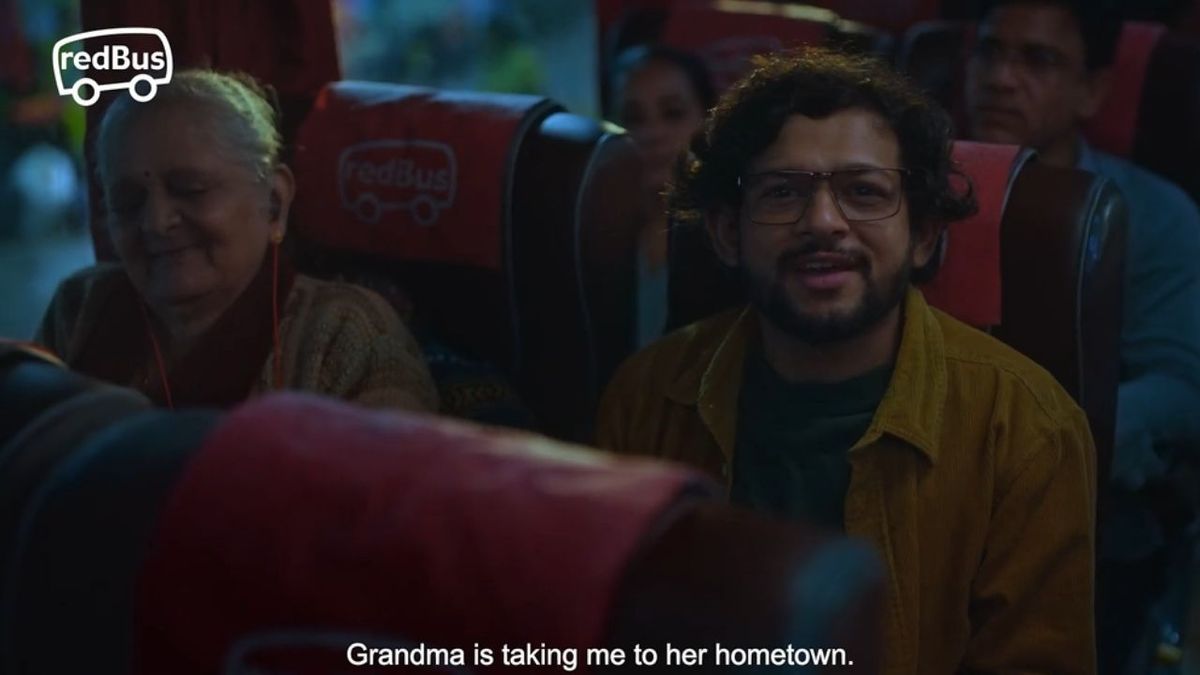
RedBus, India’s prominent online bus ticketing platform, is strategically shifting its marketing approach to focus on regional storytelling, creator-led campaigns, and AI-backed insights. This move comes as more than 60% of its business now originates from Tier-II and Tier-III markets across India. The company aims to build deeper trust and relevance with consumers by understanding local nuances and cultural shifts, including the emerging trend of pilgrimage as a leisure activity among younger travelers.
Key facts
| Metric | Detail |
|---|---|
| Small Town Business Share | Over 60% from Tier-II and Tier-III markets |
| Digital Marketing Shift | From 70% TV pre-COVID to 70% digital currently |
| Gen Z Engagement | Significant focus, including pilgrimage tourism |
| AI Integration | Used for trend tracking, sentiment monitoring, content input |
Shift to Regionalisation and Digital Focus
Pallavi Chopra, CMO at RedBus, highlights that a “one-size-fits-all” national strategy is no longer sufficient. Following the pandemic, the company recognized the need to become a “brand of the market, from the market and by the market.” This insight has driven significant investment into regionalisation, which goes beyond simple language translation. It involves a deep understanding of local humour, cultural sensitivities, and media consumption patterns. Examples include region-specific messaging on auto-rickshaw branding that has generated social media buzz and academic case studies.
Concurrently, RedBus has dramatically shifted its media strategy. Prior to COVID-19, television accounted for approximately 70% of its marketing budget. Today, digital channels dominate, making up about 70% of the mix. Creator marketing, both with macro and micro-influencers, is a key pillar, with an emphasis on authenticity over follower count. RedBus also developed an in-house content engine called ‘Fuel’ to create entertainment-led social media content, which is then amplified through paid media based on organic performance.
Engaging Gen Z and the Rise of Spiritual Tourism
Gen Z, encompassing students and young professionals aged 18 to 35, constitutes a significant segment of RedBus’s customer base. To engage this demographic, RedBus launched the “Red Mango Hunt,” a Google Maps-led treasure hunt designed for brand affinity rather than immediate bookings. This campaign successfully boosted their Instagram following from 369,000 to over 510,000.
A striking trend observed by RedBus is the surge in spiritual tourism among younger consumers. Chopra notes that over 50% of their pilgrimage travelers are now Gen Z. This shift, which she terms “pilgrimage as the new leisure,” was evidenced by college students in Ratnagiri choosing to visit temples over beaches. RedBus is responding to this trend by integrating it into creator-led campaigns.
AI with a Human Touch in Marketing
Artificial intelligence is becoming increasingly central to RedBus’s marketing efforts. The company employs AI tools to track trends, monitor travel sentiment, and identify cultural moments, particularly in Southeast Asian markets. Bots are used to scrape platforms like TikTok to understand popular discussions, which then inform content creation.
However, Chopra emphasizes that AI serves as an aid to creativity, not a replacement. The human element remains crucial for connecting with people, and while RedBus experiments with AI-generated elements in campaigns, larger brand films continue to rely on real individuals and human storytelling.
Future Growth and Offline Opportunities
Despite being a leader in online bus ticketing, RedBus sees substantial growth potential, as approximately 60% of bus bookings in India still occur offline. The company aims to bring these consumers online through a combination of digital media, television, auto branding, and visibility at physical booking counters. RedBus has also expanded into adjacent categories like train ticketing with RedRail and other mobility solutions, though these are still in early stages.
The company is currently moving away from celebrity endorsements, opting for a regional-first approach. Chopra explains that “one face doesn’t fit all markets,” making regional strategies more effective. RedBus plans to continue its focus on engagement-led initiatives to strengthen brand affinity among younger audiences.
Source: afaqs! – https://www.afaqs.com/news/mktg/redbus-turns-to-regional-storytelling-as-small-towns-drive-60-of-biz-12121817