
Source-led article
Sam Altman Criticizes Researchers for Underestimating AI Scaling Potential
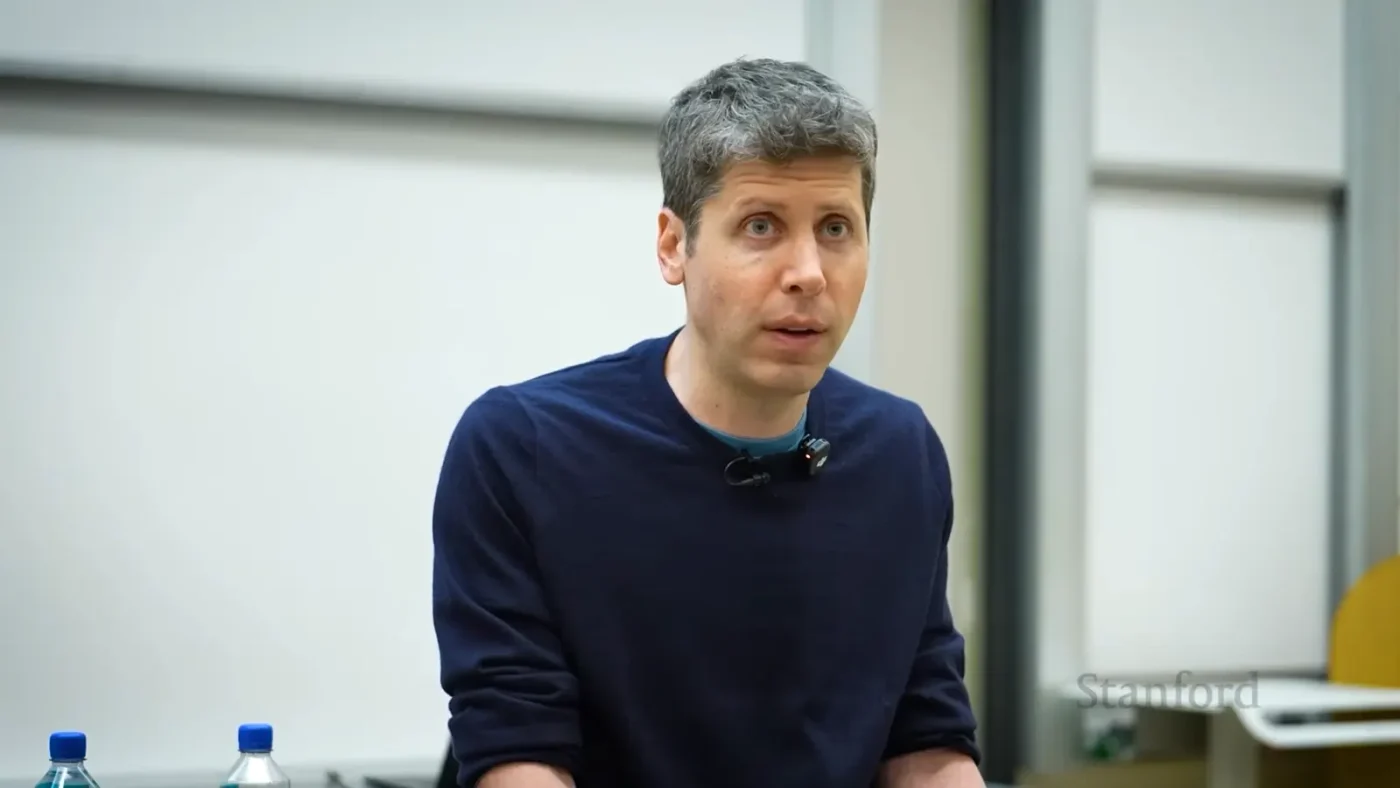
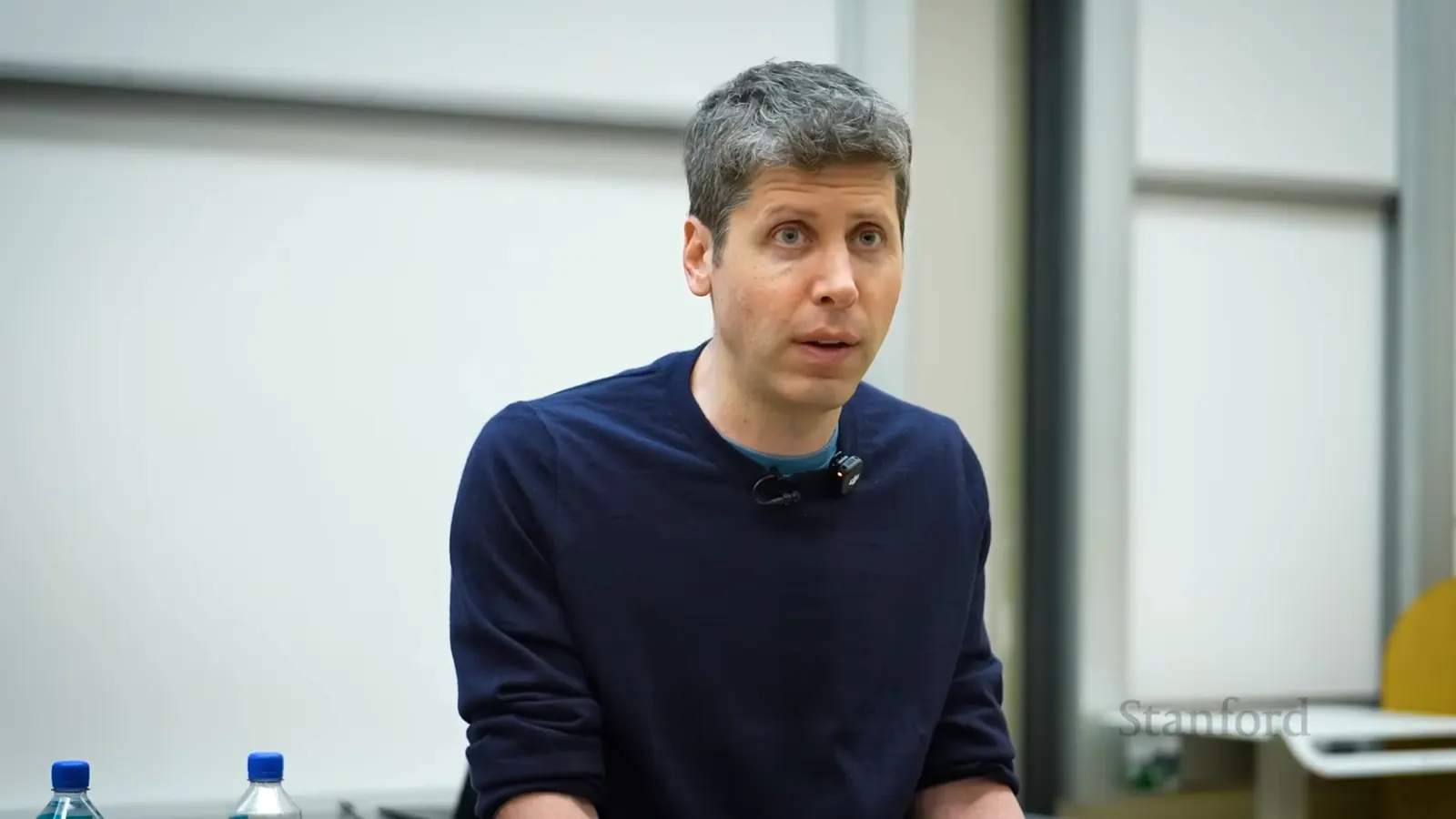
OpenAI CEO Sam Altman has voiced strong opinions regarding the trajectory of artificial intelligence research, specifically critiquing a generation of researchers whom he believes underestimated the potential of scaling large language models (LLMs). During a talk at Stanford, Altman defended OpenAI’s strategy of focusing on scaling LLMs, arguing that skepticism towards this approach has slowed down the field’s advancement.
Altman’s comments highlight a persistent debate within the AI community about the most effective path to general artificial intelligence. He suggested that some researchers became too entrenched in their views about the limitations of scaling, even when empirical data began to suggest otherwise.
The Scaling Debate
The core of Altman’s argument lies in the belief that simply making AI models larger and training them on more data yields significant, often unexpected, improvements in capability. This “scaling hypothesis” has been central to OpenAI’s development of models like GPT-3 and GPT-4. Altman specifically pushed back against critics, including figures like Yann LeCun, who have expressed doubts about LLMs being a long-term solution or called them a “dead end.”
Altman implied that some individuals tie their professional identity to a particular position, making it difficult for them to accept contradictory evidence. He also dismissed “Twitter trolls” who have predicted OpenAI’s downfall, stating that such criticism does not concern him.
Evidence of LLM Capabilities
To support his stance, Altman cited recent achievements by OpenAI’s models. He mentioned that an OpenAI model recently disproved a mathematical conjecture that had long puzzled human mathematicians. This event, according to Altman, demonstrates LLMs’ capacity to generate new knowledge and challenge established intellectual boundaries. Mathematicians are now reportedly questioning the implications of such capabilities for their own field.
Altman acknowledged that while LLMs have surpassed human intelligence in certain domains, they still fall short on “very long-horizon tasks requiring high judgment.” This nuance suggests an understanding of current limitations while still advocating for the broader potential of scaled models. Anthropic CEO Dario Amodei has reportedly made similar observations, indicating a growing consensus among some leading AI developers.
Key Facts
| Feature | Detail |
|---|---|
| Speaker | Sam Altman, CEO of OpenAI |
| Venue | Stanford University |
| Core Argument | Researchers underestimated AI scaling, hindering progress |
| Supporting Evidence | OpenAI model disproved a mathematical conjecture |
Implications for India’s AI Landscape
For the Indian AI ecosystem, Altman’s remarks underscore the importance of embracing diverse research methodologies, including those focused on large-scale model development. As India aims to become a global leader in AI innovation through initiatives like the IndiaAI Mission, understanding the potential and limitations of different AI paradigms is crucial. Debates around scaling, computational resources, and the ethical implications of large models will directly influence policy, investment, and research priorities within the country. Indian startups and researchers can draw insights from these discussions to shape their own strategies for developing impactful AI solutions.
Source: The Decoder, https://the-decoder.com/sam-altman-says-a-whole-generation-of-researchers-held-ai-back-by-underestimating-what-scaling-could-do/