Source-led article
WhatsApp Username Rollout in India Halted Amid Fraud Concerns
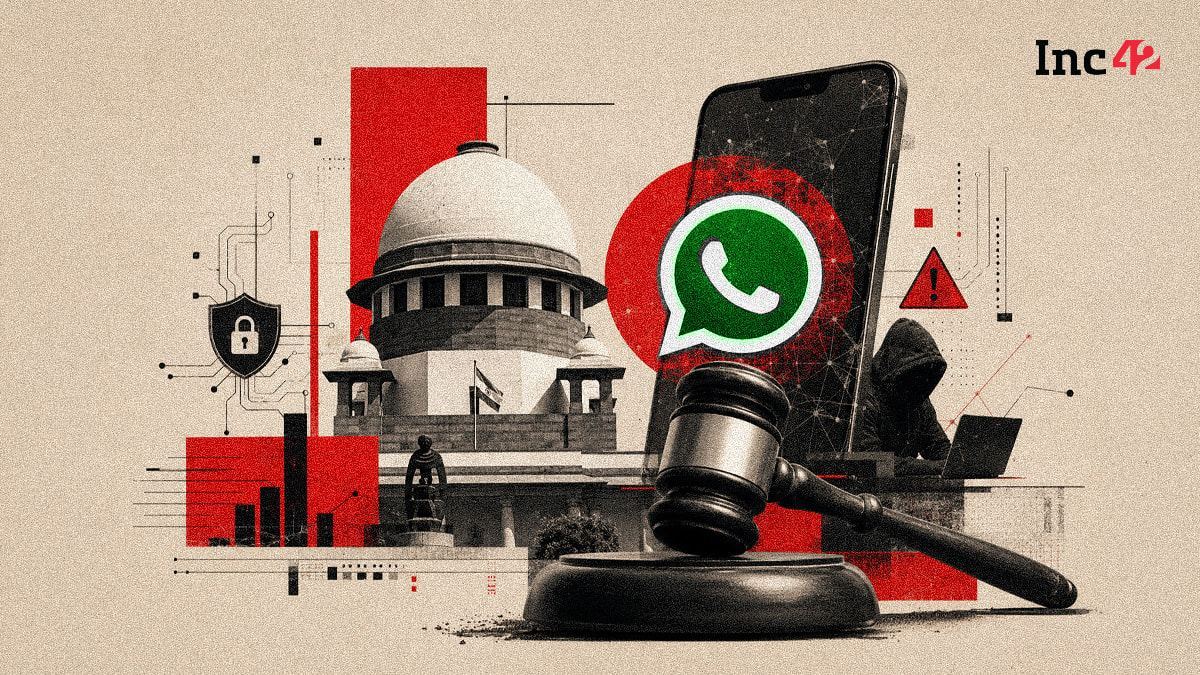
Meta’s global rollout of usernames for WhatsApp, intended to boost user privacy by enabling communication without sharing phone numbers, has hit a significant roadblock in India. The Ministry of Electronics and Information Technology (MeitY) has directed Meta to suspend the feature’s implementation in the country, citing concerns that it could exacerbate online fraud, phishing, and impersonation attacks. This move underscores the ongoing tension between privacy enhancements and the imperative to combat rising cybercrime in India.
The username feature, announced on June 29, 2026, was designed to allow users to reserve a unique handle starting with an ‘@’ symbol, reducing phone number exposure in group chats and mitigating SIM-swap attacks. Meta positioned it as a major identity overhaul, giving users more control over who can contact them. However, within 48 hours, MeitY intervened, demanding a three-day explanation from Meta on how it plans to mitigate potential risks. The ministry explicitly warned that usernames “may materially increase the incidence of online fraud, phishing, digital arrest scams and impersonation attacks.”
Government Objections and Cybercrime Landscape
The Indian government’s objections are particularly weighty given the country’s severe cybercrime challenges. In 2025 alone, Indians reportedly lost an estimated ₹22,495 crore (approximately $2.7 billion) to cybercrime, with complaint volumes surging by 24% year-on-year to nearly 2.81 million cases. Cumulative losses over the past six years have exceeded ₹53,000 crore. WhatsApp, with over 853.8 million users, represents Meta’s largest market, making the platform a critical focus for regulators.
Experts like Ankush Tiwari, CEO and founder of cybersecurity startup pi-labs, highlight that WhatsApp’s integration of chat and payment functionalities (UPI, business account links) within the same app creates a “fraud loop,” making users highly vulnerable. This environment allows the entire fraud cycle—from trust-building to payment—to occur within a single platform.
Privacy vs. Traceability
While Meta argues that usernames would reduce phone number harvesting, cybersecurity experts in India express reservations. Anant Agrawal, MD and CEO of Skillmine Technology Consulting, acknowledges the privacy benefits, noting that phone numbers have become routinely exposed personal identifiable information. However, the core debate revolves around traceability for law enforcement.
Kaushal Bheda, director of GovTech at cybersecurity firm Pelorus Technologies, emphasizes that a phone number remains “the strongest form of identifier,” as it uniquely identifies individuals and provides a traceable identifier for law enforcement in fraud cases. If usernames replace visible phone numbers, accountability for fraudulent activities could become significantly more complicated. Malcolm Gomes, COO at digital identity startup Privy by IDfy, also fears that usernames could open broader avenues for various scams, including impersonation, recruitment fraud, and fake invoices, especially given WhatsApp’s growing role in business transactions.
Broader Implications and Future Steps
The MeitY has also reportedly sent similar notices to Telegram and Signal, indicating a broader regulatory push to address potential vulnerabilities across major messaging platforms. The hold on WhatsApp’s username feature in India persists, even as users in other international markets have begun to adopt it. This situation underscores the complex balancing act between enhancing user privacy and ensuring robust safeguards against online criminal activities in a rapidly digitizing economy like India. The outcome of Meta’s dialogue with MeitY will likely set a precedent for how privacy-enhancing features are rolled out and regulated in critical markets.
Key facts:
| Feature | Detail |
|—|—|
| Feature Name | WhatsApp Usernames |
| Rollout Status in India | Suspended by MeitY |
| Primary Concern | Increased online fraud, phishing, impersonation |
| Impacted Users | Over 853.8 million WhatsApp users in India |
| Regulatory Body | Ministry of Electronics and Information Technology (MeitY) |
Source: Inc42, https://inc42.com/features/whatsapp-username-debate-will-hiding-phone-numbers-reduce-or-fuel-frauds/
Datos clave
| Punto | Detalle |
|---|---|
| Fuente | Inc42 |
| Fecha | 2026-07-02T18:29:43+00:00 |
| Tema | WhatsApp Username Debate: Will Hiding Phone Numbers Reduce Or Fuel Frauds? |