
Source-led article
Anthropic’s Claude Code Introduces Live Artifacts for Team Collaboration
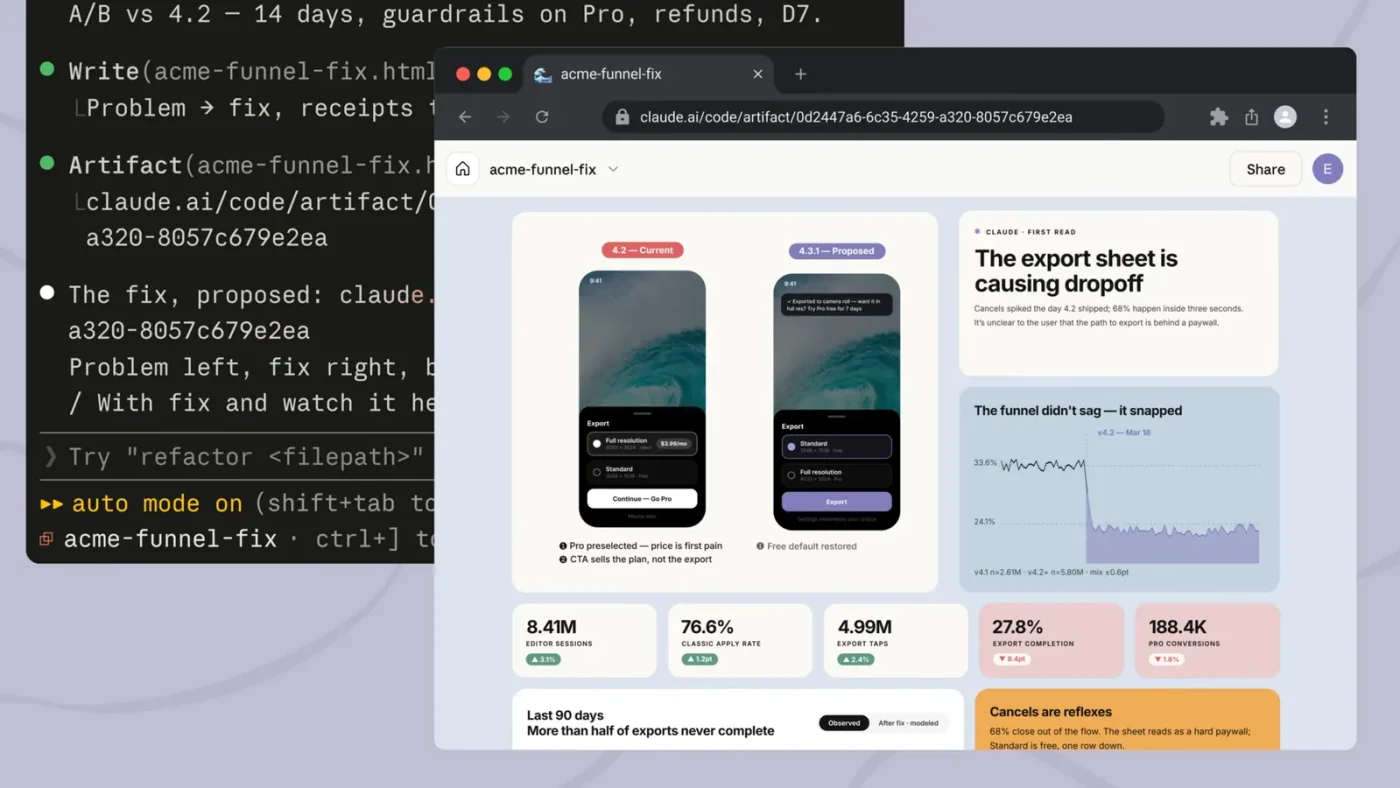
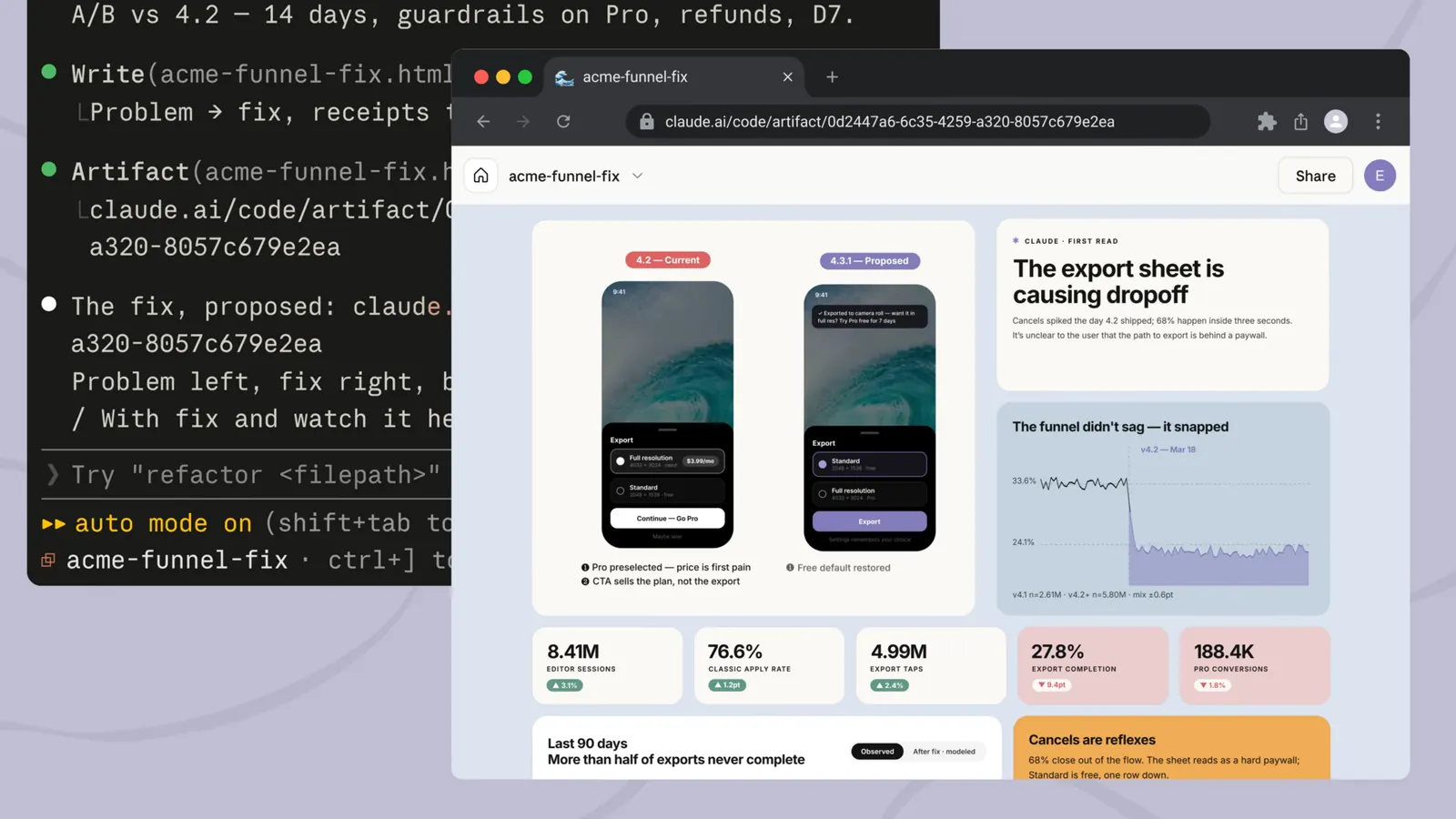
Anthropic has rolled out a new feature called “artifacts” for its Claude Code platform, designed to streamline collaboration among development teams. This addition allows users to convert the output of their Claude Code sessions into interactive web pages that can be easily shared and tracked. The feature aims to enhance transparency and efficiency in coding projects by providing a dynamic view of work in progress.
The “artifacts” functionality builds on similar capabilities already present in the Claude chat environment. For Claude Code users, this means that results from a coding session, including code snippets, integrated tool outputs, and chat history, can be consolidated into a live, interactive web page. These pages are designed to update automatically as changes occur within the session, ensuring that all team members are viewing the most current information.
Dynamic and Shareable Outputs
A key benefit of artifacts is their dynamic nature. Once an artifact is created, it maintains a persistent URL and automatically updates with any modifications made during the Claude Code session. This eliminates the need for manual updates or constant re-sharing of static documents, fostering a more agile workflow. The system also retains a version history, allowing teams to track changes and revert to previous states if necessary.
Creating an artifact is designed to be intuitive. Users can simply request the creation of an artifact or any visual output during their coding session. Claude Code then generates a link that can be opened in a web browser or the desktop application. This link can be directly shared with team members via the header of the artifact page.
Use Cases and Access Control
Anthropic highlights several practical applications for artifacts in a professional setting. These include conducting pull request walkthroughs, documenting incident timelines, performing license audits, and creating architectural overviews. The feature offers a versatile solution for various stages of the software development lifecycle, aiding in documentation, review, and compliance.
Security and privacy are central to the design of artifacts. By default, all artifacts are private and accessible only to authenticated members of an organization. Administrators have granular control over access permissions through roles and retention policies, ensuring sensitive information remains protected. This control mechanism is crucial for enterprises handling proprietary code and data.
Availability and Platform Integration
The artifacts feature is currently available in beta for customers subscribed to Claude Team and Enterprise plans. It integrates seamlessly with both the Claude Code command-line interface (CLI) and the desktop application, providing flexibility for developers regardless of their preferred working environment. This broad compatibility ensures that teams can leverage artifacts within their existing development setups.
For Indian developers and tech companies, this could mean a more integrated approach to managing coding projects and collaborating on complex tasks. The ability to share live, interactive results directly from an AI-powered coding assistant could reduce communication overhead and accelerate development cycles, particularly for distributed teams working on advanced AI models and applications.
Key facts
| Feature | Description |
|---|---|
| Name | Artifacts |
| Platform | Claude Code |
| Functionality | Converts coding session results into interactive, shareable web pages |
| Availability | Beta for Claude Team and Enterprise customers |