
Source-led article
SCOTUS Upholds ‘Skinny Labels’ for Generic Drugs, Bolstering Affordable Medicines
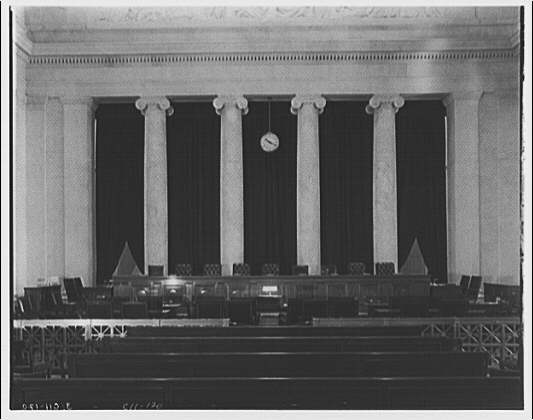
The US Supreme Court has issued a unanimous ruling affirming the right of generic drug manufacturers to use “skinny labels.” This landmark decision clarifies that generic companies cannot be sued for patent infringement simply because their marketing materials do not detail every approved use of a drug, particularly those still under patent protection for brand-name counterparts. This ruling is expected to reduce legal uncertainties for generic drugmakers and could accelerate the availability of more affordable medicines in the US market. For Indian pharmaceutical companies, a major player in the global generics landscape, this development presents both opportunities and strategic considerations for their US market entry and expansion.
What are Skinny Labels?
Skinny labels refer to a practice where generic drug manufacturers launch a generic version of a medicine that is labelled only for its off-patent indications. They intentionally omit any indications that are still covered by “method-of-use” patents held by the brand-name drug manufacturer. This strategy allows generic companies to enter the market sooner with lower-cost alternatives, focusing on the uses for which the patent has expired, while avoiding infringement on patented uses. The approach has been a point of significant contention within the pharmaceutical industry, with brand owners arguing that it could lead to off-label prescribing and promotion, thereby infringing their intellectual property.
The Hikma v. Amarin Case
The Supreme Court’s decision stems from a closely watched case involving Hikma Pharmaceuticals and Amarin Pharma. Hikma launched a generic version of Amarin’s Vascepa (icosapent ethyl), a fish-oil-derived drug. Hikma’s generic was approved for treating hypertriglyceridemia, an indication that was off-patent. However, it omitted the cardiovascular risk reduction indication, which was still under patent protection for Amarin. Amarin sued Hikma, claiming that by marketing its product as “generic Vascepa,” Hikma implicitly induced infringement on the patented cardiovascular indication. A lower appeals court initially sided with Amarin, reviving the lawsuit. However, the Supreme Court, in a 9-0 decision, overturned this, ruling that Hikma’s actions did not constitute patent infringement. This ruling effectively safeguards the “skinny label” strategy.
Impact on Drug Affordability and Market Competition
The Supreme Court’s decision is anticipated to significantly impact drug affordability by fostering increased competition in the generic drug market. By providing greater legal clarity and protection for the “skinny label” strategy, the ruling encourages generic manufacturers to introduce lower-cost alternatives more quickly. This can lead to reduced healthcare costs for consumers and healthcare systems. Historically, legal disputes over skinny labels have created a chilling effect, deterring generic companies from pursuing this route due to the risk of costly litigation. This ruling removes a significant legal hurdle, potentially leading to a faster pipeline of affordable generic medicines.
Implications for Indian Pharmaceutical Companies
India is a global leader in generic drug manufacturing, and its pharmaceutical companies have a strong presence in the US market. The Supreme Court’s ruling offers several key implications for Indian players:
Increased Market Access: The clarified legal framework for skinny labels could make it easier for Indian generic manufacturers to launch their products in the US, particularly for drugs with multiple indications where some patents have expired while others remain active. This could open new avenues for market entry and expansion.
Reduced Legal Risk: Indian pharmaceutical firms can operate with greater certainty when employing the skinny label strategy, reducing the risk of patent infringement lawsuits from brand-name drug companies. This can lower litigation costs and accelerate product launches.
Focus on R&D and Manufacturing: With reduced legal uncertainty, Indian companies can potentially reallocate resources from litigation defense to research and development, and scaling up manufacturing capabilities for these specific generic products.
Strategic Planning: Indian companies will need to carefully assess their product portfolios and US market strategies, identifying opportunities where skinny labels can be effectively utilized to bring affordable medicines to market. This includes meticulous review of patent landscapes and regulatory requirements.
Key Facts
| Feature | Description |
|---|---|
| Ruling Body | US Supreme Court |
| Decision | Unanimous (9-0) |
| Primary Impact | Clears path for generic drug “skinny labels,” reducing legal risks for manufacturers. |
| Case Involved | Hikma Pharmaceuticals (generic) vs. Amarin Pharma (brand-name Vascepa) |
| Significance | Promotes competition, potentially leading to faster availability and lower prices for generic medicines, with implications for Indian pharmaceutical exports to the US. |
What This Means for Indian Teams
For Indian pharmaceutical companies and their legal and regulatory teams, this ruling necessitates a thorough review of current and pipeline products destined for the US market. It opens up strategic possibilities for drugs with complex patent landscapes, allowing for a more agile approach to market entry. Marketing and business development teams can now explore opportunities to launch generic versions targeting specific non-patented indications with greater confidence. This could translate to increased revenue streams and a stronger foothold in the lucrative US pharmaceutical market, ultimately benefiting Indian innovation and manufacturing capabilities.