
Source-led article
The AI-Powered Shift in Indian SEO: Adapting to Search Generative Experience
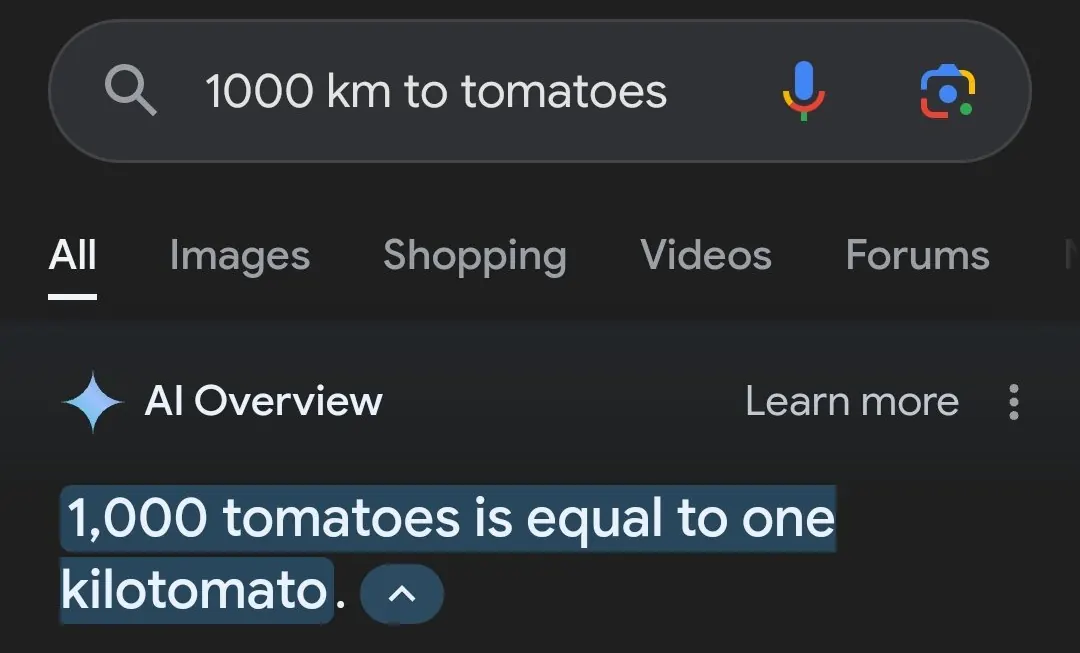
The digital marketing landscape in India is undergoing a significant transformation, largely driven by advancements in Artificial Intelligence. A key area experiencing this shift is Search Engine Optimization (SEO), particularly with the emergence of Google’s Search Generative Experience (SGE). This experimental feature integrates AI-powered summaries directly into search results, fundamentally altering how users discover information and interact with websites. For Indian marketers, agencies, and businesses, understanding and adapting to SGE is no longer optional; it’s critical for maintaining visibility and driving organic traffic.
SGE moves beyond traditional ten blue links, offering conversational AI summaries at the top of the search results page for many queries. This means users can get direct answers without necessarily clicking through to a website, posing a direct challenge to established SEO practices. While still in its experimental phase in India and other regions, its potential to redefine search behaviour necessitates a proactive approach from anyone relying on organic search for their audience reach.
Why SGE Matters for Indian Marketers
The rollout of SGE, even in its test phase, has profound implications for the Indian market. Search behaviour in India is diverse, often involving complex queries that blend English with local languages (hinglish), and a significant portion of users access the internet primarily via mobile. SGE’s ability to synthesise information and provide quick answers could be particularly appealing to this mobile-first, information-hungry audience.
One of the primary concerns for SEO professionals is the potential for reduced click-through rates (CTR) to websites. If users find their answers directly within SGE’s AI snapshot, the incentive to visit the originating source diminishes. This “zero-click” phenomenon could significantly impact traffic for informational content, guides, and even product reviews if SGE can summarise key features or comparisons effectively.
Furthermore, SGE’s integration could accelerate the importance of authoritative, high-quality content. Google’s algorithms, and by extension SGE, are designed to pull information from credible sources. This reinforces the need for robust E-E-A-T (Experience, Expertise, Authoritativeness, Trustworthiness) signals, a concept Google has been emphasising for years. For Indian businesses, this means investing more in subject matter experts, original research, and transparent content creation processes.
What Sources Show About SGE’s Impact
Early observations and official communications from Google provide crucial insights into SGE’s direction. Google has stated that SGE aims to simplify complex topics, help users understand new concepts, and facilitate planning. This suggests that content addressing complex “how-to” queries, detailed explanations, or multi-step processes might be particularly susceptible to SGE summaries.
A study by Search Engine Land noted that SGE frequently surfaces information from a variety of sources, including smaller, niche websites, alongside established publishers. This could present an opportunity for Indian businesses that produce highly specific, expert-led content to gain visibility they might not have achieved in traditional search results. However, it also means increased competition for inclusion in the AI snapshot.
Google’s official stance emphasizes that SGE is designed to complement, not replace, traditional search results. They indicate that links to sources are prominently displayed within SGE snapshots, encouraging users to delve deeper. This suggests that while direct traffic might shift, the *quality* of traffic from SGE-influenced searches could improve, as users clicking through are likely seeking more in-depth information or specific product details.
Workflow Impact for Indian SEO Teams
The advent of SGE demands a re-evaluation of current SEO workflows. Traditional keyword research and content mapping will need to consider whether a query is likely to trigger an SGE snapshot and how to best position content for inclusion.
Here’s a breakdown of key workflow adjustments:
- Content Strategy Refinement: Focus on creating comprehensive, authoritative content that provides unique value beyond what an AI summary can offer. Think about “why” and “how” questions that require deeper analysis or personal experience.
- E-E-A-T Amplification: Actively build and demonstrate E-E-A-T. This includes showcasing author expertise, citing credible sources, updating content regularly, and fostering a strong brand reputation. For local businesses, this could mean highlighting local awards, customer testimonials, and community involvement.
- Structured Data Implementation: While SGE’s reliance on structured data is still evolving, marking up content with schema.org can help search engines better understand its context and relevance, potentially increasing its chances of being featured in AI summaries or follow-up questions.
- Diversification of Traffic Sources: Do not solely rely on organic search. Explore other channels like social media, email marketing, and paid advertising to build a resilient digital presence.
- Monitoring and Analysis: Closely track SGE’s evolution for target keywords. Tools that can monitor SGE snapshot inclusion and its impact on CTR will become invaluable for Indian SEO teams.
Limits and Counterarguments
While SGE presents a significant shift, it’s crucial to acknowledge its limitations and potential counterarguments.
- Accuracy Concerns: Like any AI model, SGE is not infallible. There have been instances where AI summaries have generated inaccurate or misleading information. Google is actively working to improve accuracy, but this inherent limitation means users will still need to verify information, driving some clicks back to original sources.
- Niche Queries: For highly specific, niche, or esoteric queries, SGE might struggle to provide a comprehensive summary, leaving more room for traditional search results to dominate.
- Commercial Intent: Queries with strong commercial intent (e.g., “best budget smartphones in India”) might still lead to clicks on product pages or review sites, as users often want to compare options, read detailed reviews, or make a purchase. SGE might summarise, but the final decision often requires deeper engagement.
- User Adoption: The speed and extent of SGE adoption by Indian users remain to be seen. While early signs are promising, a complete shift away from traditional search results will take time.
What Readers Should Test Next
To prepare for and adapt to Google SGE, Indian marketers and business owners should consider the following actionable steps:
| Strategy Area | Actionable Step | Expected Outcome |
|---|---|---|
| Content Audit | Identify key informational content likely to be summarised by SGE. Evaluate its E-E-A-T and comprehensiveness. | Pinpoint content needing enhancement for SGE visibility or diversification. |
| Query Analysis | For your top keywords, observe if SGE snapshots are appearing. Analyze the type of content being featured in those snapshots. | Understand which content formats and topics SGE prioritises. |
| E-E-A-T Building | Implement clear author bios, link to expert profiles, cite research, and ensure transparent “About Us” and contact pages. | Strengthen signals of credibility and authority for Google’s algorithms. |
| Structured Data | Review and implement appropriate schema markup (e.g., HowTo, FAQ, Product, Review) for your most critical content. | Help search engines better understand and potentially feature your content in rich results and SGE. |
| Monitor Analytics | Track organic traffic for pages frequently appearing in SGE snapshots. Look for changes in CTR and user behaviour post-SGE integration. | Measure the direct impact of SGE on your website performance and adapt strategy accordingly. |
The shift driven by AI, particularly SGE, is an ongoing journey. By proactively adapting content strategies, reinforcing E-E-A-T, and closely monitoring performance, Indian businesses can navigate this evolving search landscape and maintain a competitive edge. The goal is not to fight the AI, but to collaborate with it by providing the high-quality, authoritative content it seeks to serve users.