
Source-led article
Indian SEO in the Age of Google SGE: Strategies for Marketers
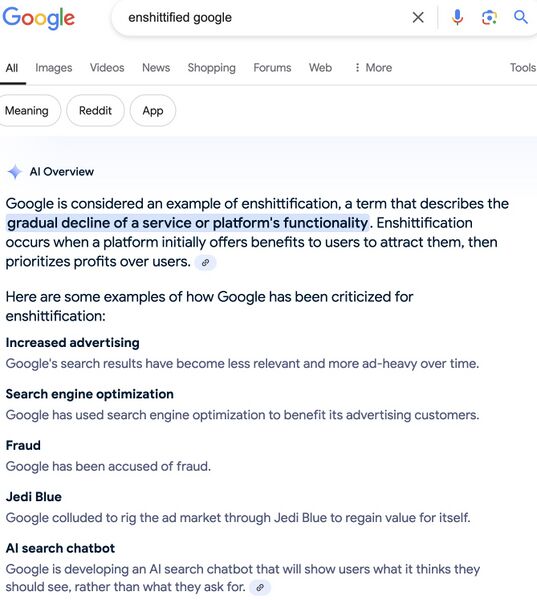
The search landscape in India is undergoing a significant transformation, driven by Google’s integration of generative AI through its Search Generative Experience (SGE). For Indian marketers, founders, and agencies, this isn’t just another algorithm update; it’s a fundamental shift in how users find information and interact with brands online. The traditional SEO playbook, heavily reliant on ranking for specific keywords, is evolving as AI summarises and synthesises information directly within the search results page.
This column delves into what SGE means for Indian businesses, focusing on the practical implications for content strategy, the nuanced role of local SEO, and the changing metrics of success. We’ll explore how to adapt to a search environment where direct clicks might decrease, but visibility and authority remain paramount.
Why SGE Matters for Indian Marketers
Google has been explicit about its intent to bring generative AI into search, and India is a key market for its rollout and testing. The core idea behind SGE is to provide more comprehensive, AI-generated answers directly on the search results page, often eliminating the need to click through to external websites for basic queries. This means a direct challenge to the traditional ’10 blue links’ model.
For Indian businesses, this presents both challenges and opportunities. On one hand, there’s a risk of reduced organic traffic for informational queries as SGE answers suffice. On the other, businesses that can provide authoritative, well-structured, and unique content stand a better chance of being cited within SGE snapshots, thereby gaining a new form of visibility. The shift demands a move from simply ranking to actively contributing to the knowledge graph that SGE draws upon.
Sources indicate that SGE tends to pull information from highly authoritative sources, often synthesising multiple viewpoints. This reinforces the need for businesses to build strong brand authority and ensure their content is not just keyword-rich but genuinely informative and trustworthy. Google’s own documentation on “How SGE works” outlines its aim to provide “new ways to find, explore and understand information.” This implies that even if a user doesn’t click through to your site immediately, being cited in an SGE snapshot can build brand recognition and trust.
Adapting Content Strategy for SGE Visibility
The advent of SGE necessitates a re-evaluation of content creation workflows for Indian businesses. The focus shifts from merely ranking for keywords to becoming a source of truth that SGE can confidently cite.
Topical Authority, Not Just Keyword Density: Instead of optimising individual pages for isolated keywords, content strategies must now aim for comprehensive topical authority. This means creating clusters of interlinked content that cover all facets of a particular subject in depth. For example, an Indian fintech startup shouldn’t just have a page on “personal loans”; it should have comprehensive guides on eligibility, application processes, interest rates, repayment options, and comparisons with other financial products.
Structured Data and FAQs: Implementing robust structured data (Schema markup) can help SGE better understand and extract information from your pages. FAQ sections, clearly answered questions, and tabular data within content become even more valuable as SGE often pulls these elements directly into its generative answers.
Beyond Informational Queries: While informational queries might see reduced click-throughs, transactional and navigational queries are likely to remain more stable. Indian businesses should double down on optimising product pages, service listings, and local business profiles, ensuring clear calls to action and seamless user experiences.
Here’s a simplified breakdown of how content strategy might need to shift:
| Aspect | Old SEO Focus (Pre-SGE) | New SEO Focus (SGE Era) |
|---|---|---|
| Keyword Strategy | Ranking for individual keywords | Building comprehensive topical authority |
| Primary Goal | Maximising organic click-throughs | Gaining visibility via SGE citations & direct answers |
| Content Depth | Broad informational articles | Deep-dive, expert-backed content with clear answers |
| Technical SEO | Basic on-page optimisation | Extensive use of structured data & clear content hierarchy |
| Calls to Action (CTAs) | Generic calls to action | Context-specific, high-intent calls to action |
Local SEO Nuances in an SGE World
For businesses targeting the Indian market, local SEO becomes even more critical. SGE is likely to incorporate local context into its answers, making precise local optimisation paramount.
Google Business Profile (GBP) Optimisation: A meticulously maintained and updated GBP listing is non-negotiable. Ensure all information – address, phone number, opening hours, services, and product categories – is accurate and consistent. Encourage customer reviews and respond promptly to feedback, as these signals contribute to local authority.
Location-Specific Content: Create content tailored to specific regions or cities within India. A restaurant in Bengaluru, for example, needs to ensure its menu, opening hours, and location details are impeccable across all platforms and that it has content addressing “best vegetarian restaurants in Koramangala” or “late-night food delivery in Indiranagar.”
Hyper-Local Keywords: Beyond broad city names, target hyper-local keywords that reflect specific neighbourhoods, landmarks, or local events. This helps SGE accurately match user queries with highly relevant local businesses.
Measuring Success Beyond Traditional Clicks
The shift to SGE requires a re-evaluation of what constitutes success in SEO. While direct organic traffic remains important, new metrics will emerge to capture the value of SGE visibility.
Brand Mentions in SGE: Track how often your brand, products, or services are cited within SGE snapshots. This indicates increased brand awareness and authority, even if it doesn’t immediately translate to a click.
Share of Voice within AI-Generated Answers: Aim to be one of the authoritative sources SGE pulls from. This “share of voice” in generative answers can be more valuable than a low-ranking organic search position.
Direct Answer Visibility: Monitor how often your content provides direct answers that appear in SGE. Optimising for rich snippets and structured data will directly contribute to this.
Impact on Brand Search Volume: Increased SGE visibility can lead to a rise in direct brand searches. This indicates that users are encountering your brand through SGE and then seeking you out directly.
The Limitations and What to Consider for Indian Businesses
While SGE presents a significant shift, it’s crucial to acknowledge its limitations and potential counterarguments, especially for the diverse Indian market.
Experimental Phase: SGE is still in its experimental phase. Its full impact and final form are yet to be seen. Google often tests features that don’t always become permanent or widespread. Indian businesses should adapt but avoid overreacting to every minor change.
Cost of Content Creation: Producing the high-quality, authoritative, and deeply researched content needed for SGE visibility can be resource-intensive. Smaller Indian businesses might struggle to compete with larger enterprises or established publishers. Strategic content planning and repurposing existing assets will be key.
Hallucinations and Accuracy: Generative AI, including SGE, is not immune to “hallucinations” or providing inaccurate information. This underscores the importance of businesses being the definitive source of truth for their specific domain, making their content robust enough to correct or override potential AI errors.
User Adoption in India: The speed and extent of user adoption of SGE in India will also play a role. While tech-savvy users might quickly embrace it, a significant portion of the Indian internet user base might continue to prefer traditional search results, at least initially. Monitor user behaviour and adjust strategies accordingly.
Practical Next Steps for Indian Marketers
To navigate this evolving landscape, Indian marketers and businesses should implement these proactive steps:
Conduct a Content Audit: Review your most important informational content. Can it be improved with more structured data? Are there gaps in your topical coverage that prevent you from being the definitive source?
2. Reinforce E-E-A-T Signals: Invest in demonstrating expertise, experience, authoritativeness, and trustworthiness. This means showcasing authors’ credentials, providing clear citations, and ensuring content is factually accurate and up-to-date.
3. Monitor SGE Snippets Actively: Regularly search for your target keywords (especially informational ones) to see if SGE snapshots appear and, if so, what sources they cite. This provides direct insights into what Google deems authoritative and where your competitors might be gaining visibility.
4. Optimise Google Business Profile Rigorously: For local businesses, a meticulously maintained and updated GBP listing is non-negotiable. Encourage reviews and respond promptly, ensuring all crucial business information is accurate.
5. Experiment with Structured Content: Leverage tables, lists, and clear heading structures more aggressively. These formats are easily digestible by AI models and can be directly pulled into SGE answers, increasing your chances of being cited.
6. Develop New Measurement Frameworks: Beyond traditional organic traffic, begin to think about metrics like brand mentions in SGE, share of voice within AI-generated answers, and how direct answer visibility might influence brand searches and overall brand perception.
The AI-powered shift in search is undeniable. For Indian businesses, embracing these changes with a strategic, data-driven, and user-centric approach will be key to maintaining and growing their online visibility in the generative AI era.