
Source-led article
One fallen power line exposes growing threat from AI data centre clusters – and a possible fix
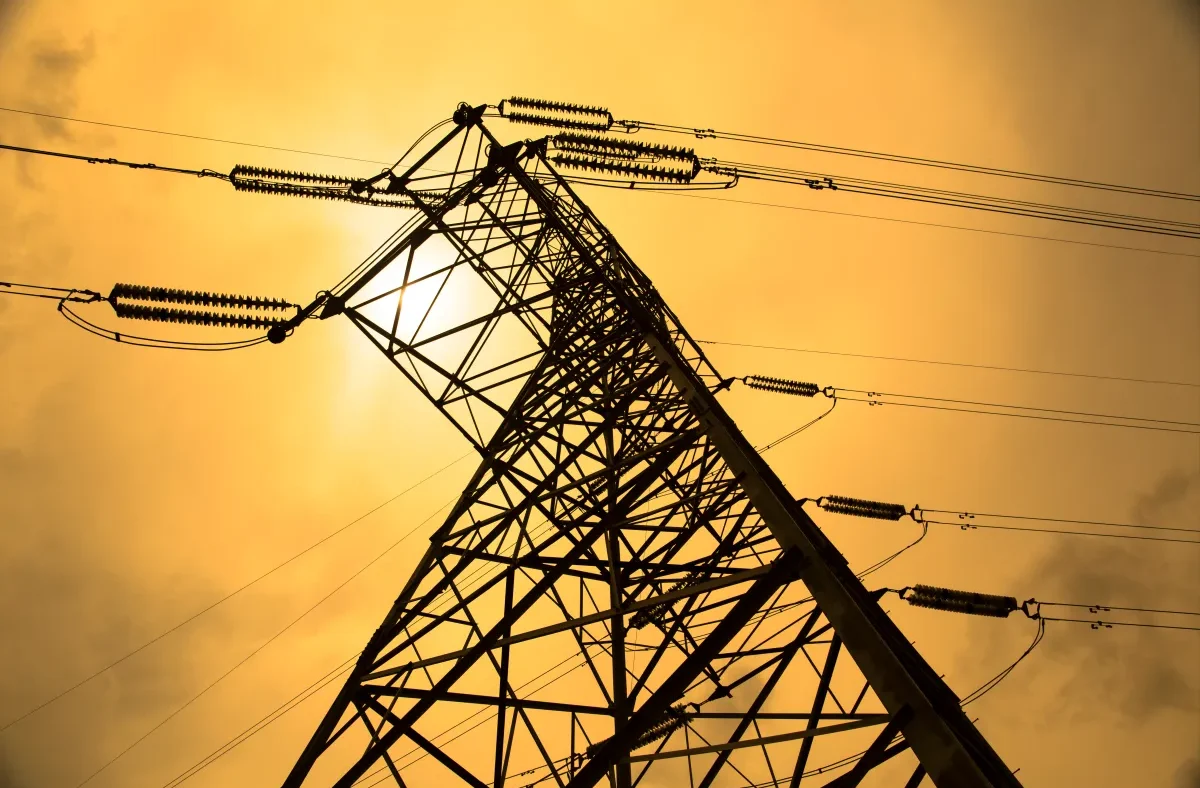
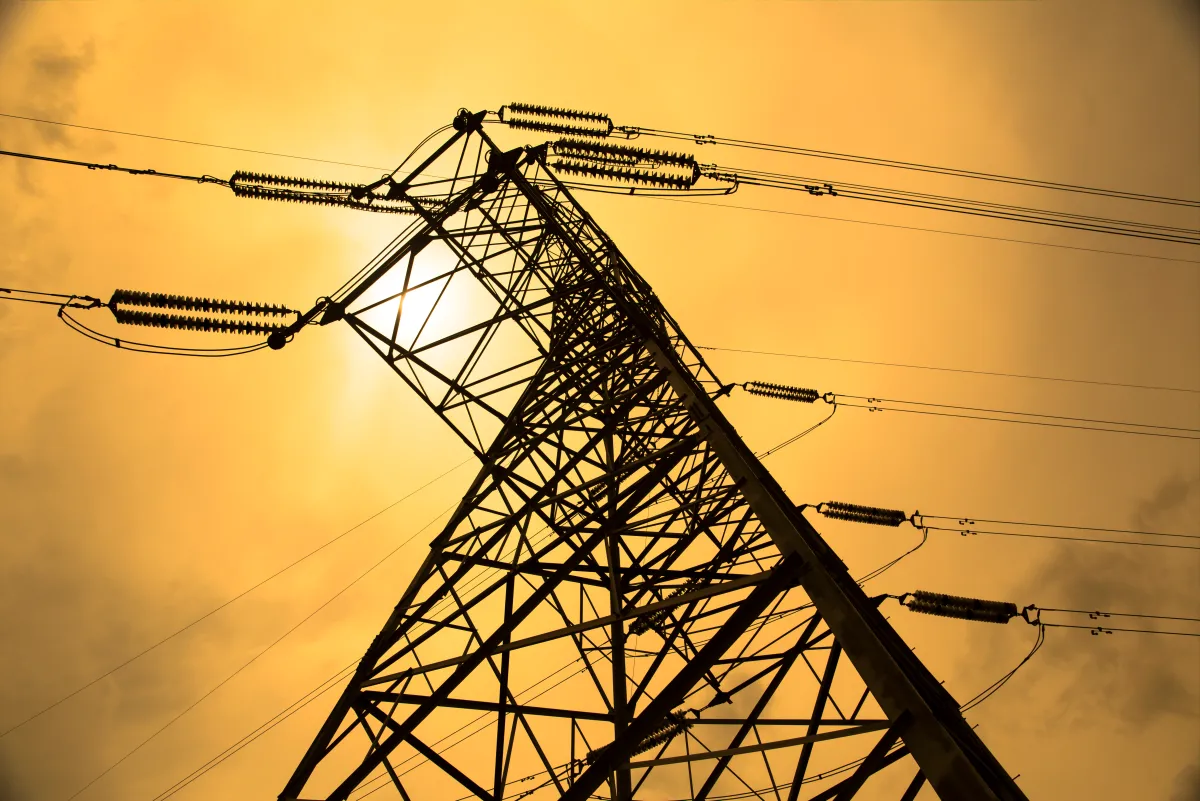
A power line went down outside Washington, DC, this week. Under normal conditions, the grid would recover in seconds. Instead, it took more than ten minutes because more than 3 gigawatts of data centre load dropped off the network almost simultaneously. The event sent voltage spikes across the PJM grid from Northern Virginia to Chicago, causing lights to flicker across the region. It did not cause a blackout, but experts warn it is a sign of things to come as artificial intelligence drives an explosive growth in data centre capacity.
Northern Virginia hosts the world’s highest concentration of data centres, many of them built to handle AI workloads. The incident is the second such mass disconnection in two years on the same grid, and the scale has doubled. Regulators and grid operators are now under pressure to ensure these facilities do not destabilise the electricity network.
The event and its immediate impact
The PJM Interconnection, which manages the grid from New Jersey to Illinois and serves 67 million customers, recorded the disruption. When the power line failed, the voltage dip triggered data centres to switch to backup power. In about 30 seconds, roughly 3.1 gigawatts of load disappeared from the grid. At its peak, the grid had an extra 3.49 gigawatts of electricity, and it took another 11 minutes before it stabilised, according to PJM data.
The disconnected load represented about 3 per cent of total demand on PJM at that moment. While a few per cent may sound small, the electrical grid requires near-perfect balance between supply and demand. Large swings in either direction can cause voltage sags or surges that trigger further disconnections. In this case, initially small fluctuations cascaded as more data centres sensed the disturbance and disconnected, removing still more load and making the imbalance worse.
Why data centres disconnect together
Most data centres make decisions in a split second. When the voltage dip reached the Northern Virginia facilities, they all decided to disconnect within a few seconds of each other, said Ali Zain Banatwala, senior market models specialist at the Independent Electricity System Operator, who analysed the event. “We need to figure a way for these loads that are located next to each other to sequentially either disconnect or reconnect,” he told TechCrunch.
The co-ordinated disconnection is a design problem. Data centres are built to protect their own operations first, often with uninterruptible power supplies that kick in the instant grid power flickers. But when hundreds of such systems act simultaneously, the collective load drop amplifies the grid disturbance. The same behaviour that protects individual servers can endanger the wider network.
A growing threat: from 6 per cent to 24 per cent of grid load
This week’s event was twice as large as a similar incident in 2024, when 60 data centres simultaneously disconnected, pulling 1.5 gigawatts from the grid. At that time, data centres accounted for about 6 per cent of PJM’s load, according to Synapse Energy Economics. By 2040, that share is expected to reach 24 per cent.
Ricardo de Azevedo, chief technology officer at ON.Energy, called the incident “the canary in the coal mine”. He told TechCrunch that events involving large loads like data centres are “happening more and more”. The growth of AI training clusters, which require huge amounts of power and operate around the clock, is accelerating the trend.
A potential fix: battery-backed grid-friendly data centres
One startup, ON.Energy, is developing a system that could prevent such mass disconnections. Instead of letting each server and chiller react independently, the company installs a bank of batteries connected to sophisticated power conversion equipment for an entire data centre campus. The grid then “sees” only one consistent, well-behaved load rather than the peaks and valleys from individual equipment.
When the grid voltage dips, ON.Energy’s system can absorb the fluctuation by charging its batteries. If the flow dips further, it can dispatch stored power to servers – all within milliseconds. This allows data centres to ramp computing workloads up and down, including AI training, without bothering the grid. Crucially, it also prevents the automatic disconnection that caused the current problem.
ON.Energy is currently installing a total of 3 gigawatts of its systems at four different data centre campuses, de Azevedo said. The company’s product essentially hides the data centre behind the battery bank, making it a “ride-through” asset rather than a problem load.
What remains unclear
The event highlights a regulatory gap. Most grid operators do not yet require large loads such as data centres to stay connected during minor disturbances. ERCOT, the Texas grid operator, is beginning to enforce “ride-through” requirements for large loads, but PJM has not announced similar rules. It is also unclear how quickly ON.Energy’s solution can be deployed at scale, and whether other startups have comparable products.
Another unknown is whether data centre operators will bear the cost of such upgrades, or whether the expense will be passed on to customers, including cloud and AI service users. The incident also raises questions about the vulnerability of other regions with growing data centre hubs, such as Mumbai, Chennai, and Hyderabad in India, though no similar events have been reported there yet.
Key facts at a glance
| Item | Detail | Source |
|---|---|---|
| Location | Northern Virginia, PJM grid region | PJM data |
| Load dropped | 1 GW in ~30 seconds, peak imbalance 3.49 GW | PJM via TechCrunch |
| Recovery time | 11 minutes | PJM data |
| Share of PJM demand | ~3% at time of event; projected 24% by 2040 | Synapse Energy Economics |
| Previous comparable event | 2024: 60 data centres, 1.5 GW loss | TechCrunch |
| Proposed solution | ON.Energy battery-backed UPS for entire campus, 3 GW being installed | ON.Energy CTO Ricardo de Azevedo |
Source: TechCrunch, July 25, 2026 – https://techcrunch.com/2026/07/25/one-fallen-power-line-exposed-a-growing-ai-data-center-problem-heres-how-to-fix-it/