
Source-led article
Maruti Suzuki WagonR Case Study Traces Tall-Boy Hatchback Journey Across Middle-Class India
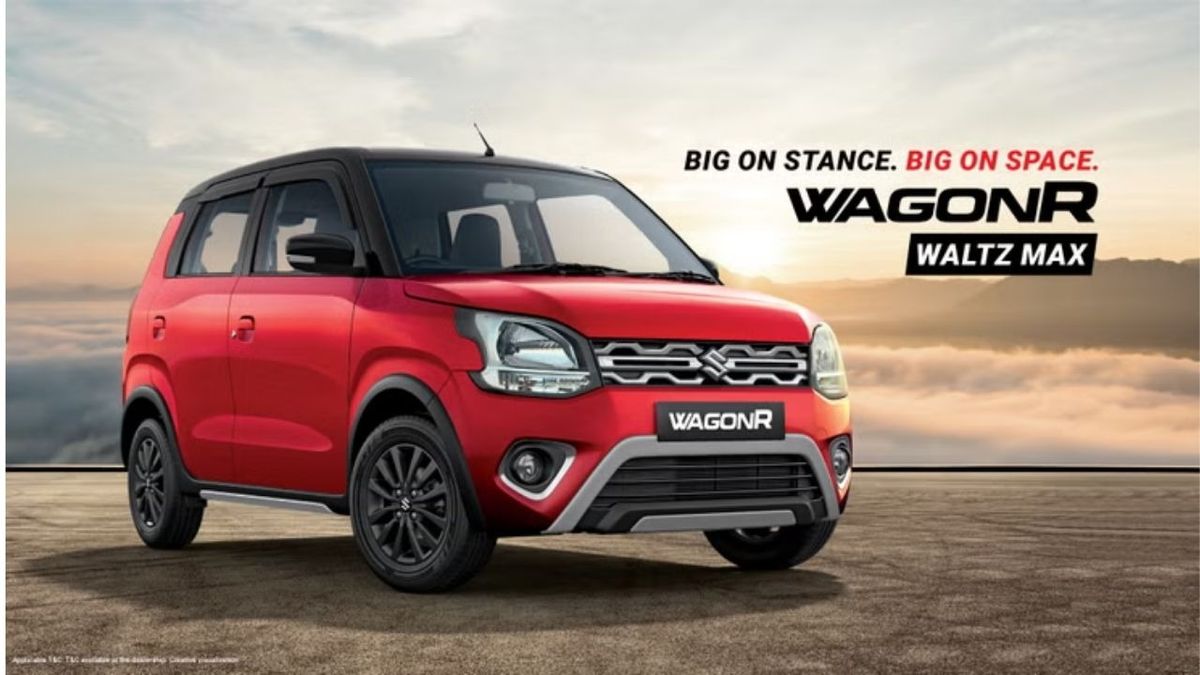
The Evolution of a Family Hatchback
The Maruti Suzuki WagonR has marked over two decades of market presence since its launch in 1999, becoming a staple of urban mobility for middle-class Indian households. According to a recent industry case study published by afaqs!, the vehicle entered the market as Maruti’s strategic response to a rising demand for spacious and functional hatchbacks. Competing directly with models like the Hyundai Santro, the WagonR carved out a distinct identity through its signature tall-boy architecture, which maximized cabin headroom and made entering and exiting the vehicle easier for passengers of all age groups.
Product Upgrades and Technological Shifts
Over successive generations, the hatchback transitioned through multiple platform updates and mechanical refinements to keep pace with changing consumer preferences. Manufacturers integrated contemporary features including touchscreen infotainment systems, automated gear shift technology known as AGS, and enhanced safety specifications. To address shifting fuel economics and environmental priorities, Maruti Suzuki also introduced factory-fitted CNG variants, expanding the car’s utility beyond personal commuting into commercial fleet operations.
Market Reach and Dealership Support
A major factor behind the model’s sustained sales volume is the extensive reach of Maruti Suzuki’s dealership and service network across Tier 1, Tier 2, and smaller urban centres. Cost-conscious car buyers, first-time owners, and commercial operators historically prioritized the brand for its low maintenance costs and reliable fuel efficiency. The case study notes that cumulative sales have crossed three million units, establishing the WagonR firmly among India’s top-selling cars for over ten years and demonstrating long-term brand trust.
Strategic Takeaways for Modern Consumer Brands
The journey of the WagonR highlights how solving fundamental, everyday consumer needs can build enduring market leadership. Rather than relying solely on periodic cosmetic revamps, the vehicle’s lifecycle management combined practical space engineering with phased technological additions. For product strategists and marketers observing the Indian automotive landscape, the case study underscores the importance of adapting a foundational product design to meet evolving regulatory standards and consumer expectations over extended periods.
Datos clave
| Metric | Detail |
|—|—|
| Launch Year | 1999 |
| Milestone | Over three million units sold |
| Key Differentiator | Tall-boy design and cabin space |
| Powertrains | Petrol and factory-fitted CNG |
Source: afaqs!, https://www.afaqs.com/casestudies/the-maruti-suzuki-wagonr-case-study-the-car-that-grew-with-middle-class-india-12210048
Datos clave
| Punto | Detalle |
|---|---|
| Fuente | afaqs! |
| Fecha | 2026-07-29T23:20:37+00:00 |
| Tema | The Maruti Suzuki WagonR case study : The car that grew with middle-class Indiaresea |