Source-led article
Christopher Nolan calls AI a “Trojan horse”, sharpening the debate for creators using generative video
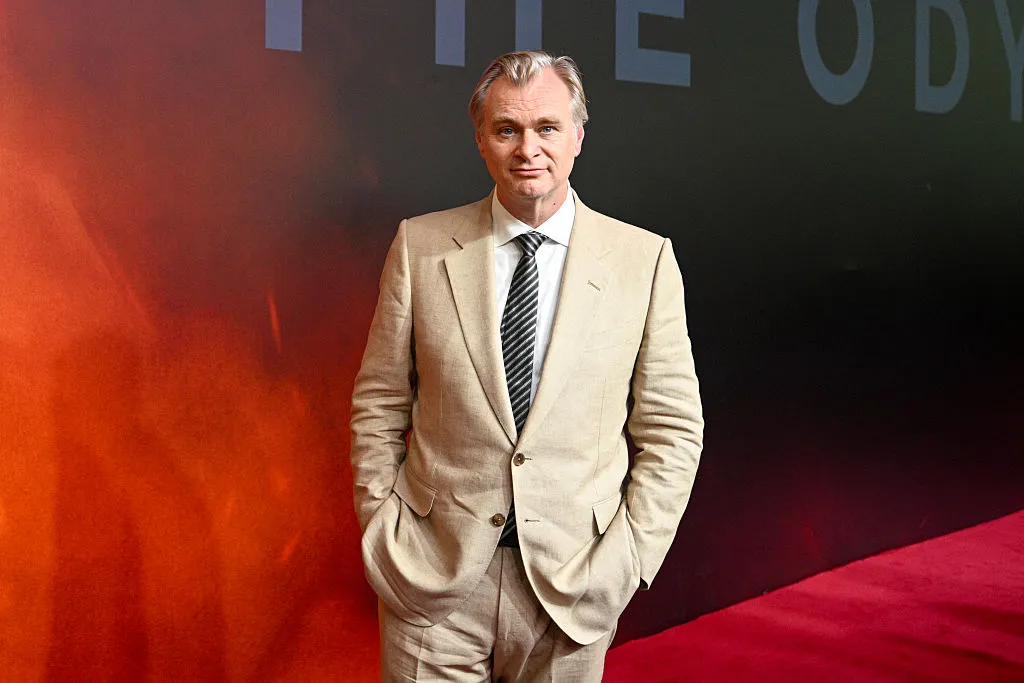
Christopher Nolan has described artificial intelligence as an obvious “Trojan horse”, using the metaphor around his new film The Odyssey to argue that public scepticism toward AI is not only visible but healthy.
According to TechCrunch, Nolan made the remarks in an interview with Hugo Travers, the French YouTube publisher known as HugoDécrypte. Travers asked whether AI could resemble the Trojan horse: something people invite into daily life before discovering a darker purpose inside. Nolan replied that AI is “a Trojan horse that everybody knows the Greeks are inside”, later likening it to a transparent horse “made of glass”.
The comments are not a policy announcement or a new industry agreement. They matter because they capture a growing creative-sector concern that Indian agencies, creators, video editors, studios and brands are already confronting: AI tools can speed up production, but audiences may quickly reject synthetic content if it feels deceptive, low-quality or exploitative.
What Nolan said
Nolan’s main point, as reported by TechCrunch, was not that technology should be rejected outright. He argued instead for scepticism toward both the tools and the people selling them.
He said he had not seen a technology advance so quickly while also being so strongly distrusted by the public. He singled out younger users as especially quick to identify AI-generated videos online and dismiss them as “AI slop”.
That framing is important for creators because it shifts the debate from capability to reception. A brand may be able to generate video, voice, images or copy at scale, but the audience response can still damage trust if the output looks generic, misleading or uncredited.
Datos clave
| Item | Detail |
|---|---|
| Person | Christopher Nolan, filmmaker and director of The Odyssey |
| Reported by | TechCrunch AI, 19 July 2026 |
| Core remark | Nolan called AI a “Trojan horse” and argued for scepticism |
| Relevant readers | Indian creators, agencies, marketers, video teams and AI tool users |
Why this matters for Indian creators
India’s creator economy and digital marketing sector are moving quickly toward AI-assisted production: thumbnails, short-form edits, ad variations, synthetic voiceovers, localisation, scripts and social posts. Nolan’s comment does not directly address India, but the underlying trust issue is relevant to Indian teams using generative media for public-facing work.
For marketers, the practical question is no longer only “Can this be automated?” It is also “Will viewers believe this, value this and understand how it was made?” If audiences start treating synthetic content as filler, a campaign can lose credibility even when it reduces production time.
For independent creators, the risk is different. AI can help smaller teams produce at a higher frequency, but it can also flatten voice and style. If a channel’s identity depends on human presence, regional nuance or lived experience, overuse of generic AI assets may weaken the very trust that built the audience.
Hollywood context behind the concern
TechCrunch places Nolan’s comments in the broader Hollywood debate around generative AI. The technology was a major issue during the 2023 writers’ and actors’ strikes, where creative workers raised concerns about authorship, likeness, compensation and the use of AI in production workflows.
The report also notes that the Directors Guild of America, where Nolan is president, secured some generative AI protections in its most recent contract. The source does not detail those protections in the fetched context, so the specific terms should not be overstated here.
Nolan’s broader public image also shapes the comments. He has long defended film as a medium and has been sceptical of replacing working systems simply because newer digital alternatives are available. In the TechCrunch report, this is linked to his wider view that new technology can be useful but should not be adopted with blind faith.
A trust signal for AI video
The sharpest point for Coruja readers is Nolan’s reference to how quickly young people identify and label AI-generated media. “AI slop” has become a blunt phrase for low-effort synthetic material, especially in feeds where users see repeated visual styles, uncanny motion, fake authority or recycled scripts.
That reaction should be read as a signal for Indian social teams and content studios. Labelling, consent, quality control and editorial judgement will matter more as AI video becomes cheaper. A synthetic asset used transparently for illustration may be accepted; a fake testimonial, misleading news-style clip or undisclosed imitation of a real person can invite backlash and legal scrutiny.
Brands should also be careful with AI-generated cultural cues. Indian audiences are highly sensitive to language, region, accent, caste, religion, gender and local context. A tool-generated video that misses those nuances can look careless even if the production quality is high.
What remains unconfirmed
The TechCrunch piece is a media report based on an interview exchange; it does not say Nolan proposed a specific AI regulation, named a particular AI company or identified a concrete threat beyond his broader scepticism. Any reading that turns the comment into a formal campaign against AI would go beyond the reported facts.
For Indian readers, the safest takeaway is practical rather than ideological: test AI tools, but do not assume audiences will reward automation for its own sake. Keep human review in the loop, disclose synthetic media where appropriate, avoid imitating real people without permission, and measure audience trust as closely as output volume.
Source: TechCrunch AI, “‘Odyssey’ director Christopher Nolan calls AI an obvious ‘Trojan horse’” — https://techcrunch.com/2026/07/19/odyssey-director-christopher-nolan-calls-ai-an-obvious-trojan-horse/