
Source-led article
Vercel CEO Guillermo Rauch on the Evolving Landscape of AI Agents and Models
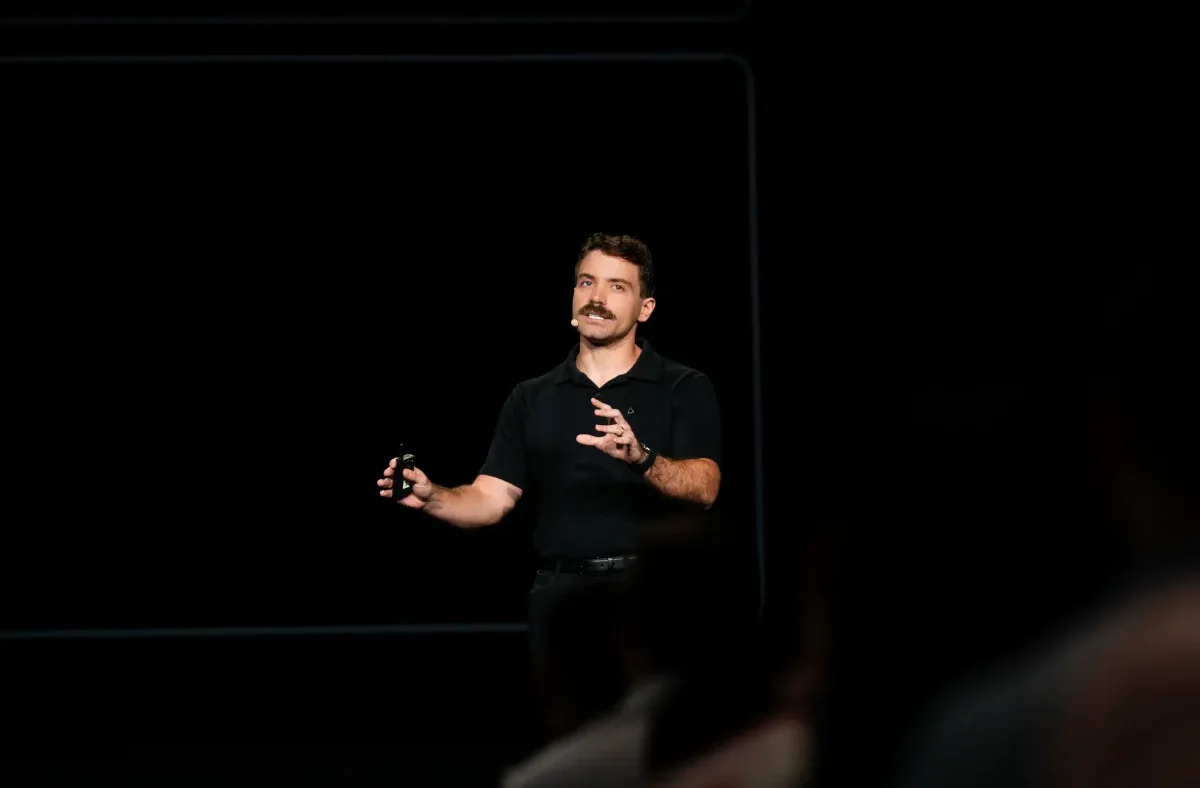
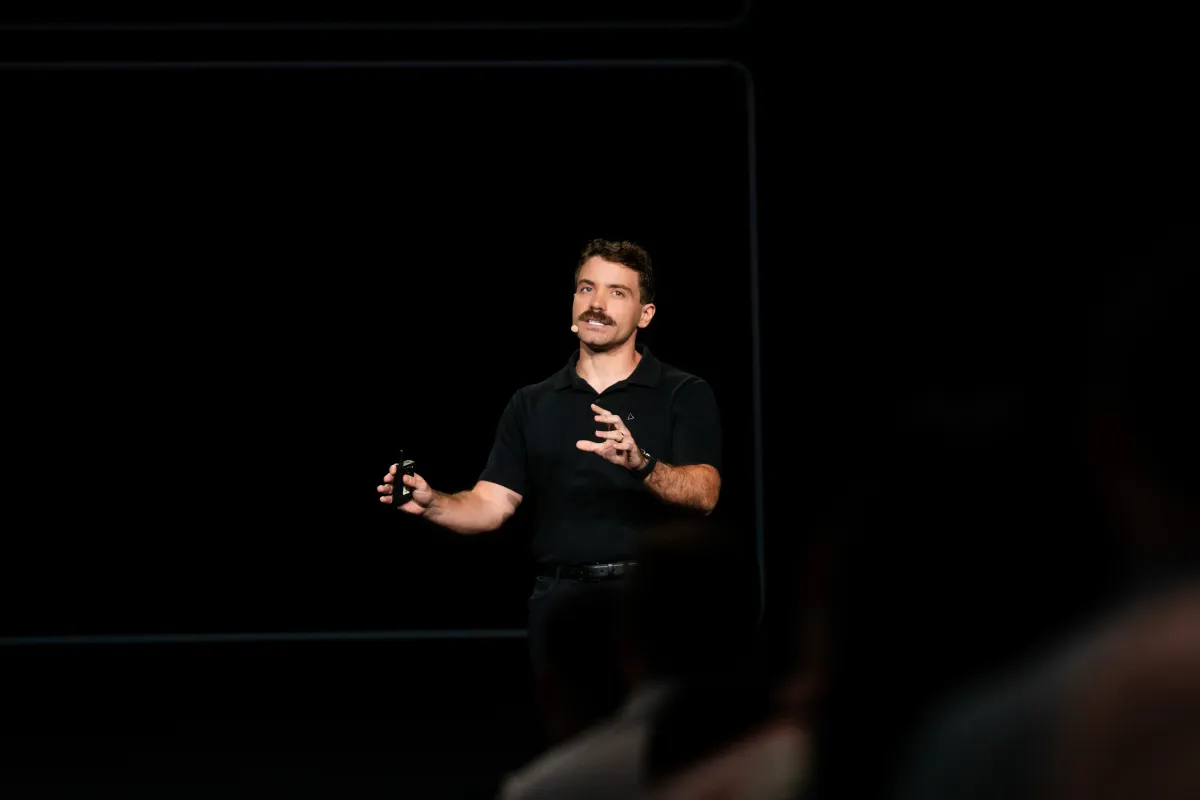
Vercel CEO Guillermo Rauch recently shared insights into the evolving landscape of AI, emphasizing a critical shift from initial prototyping to optimizing AI agents for production environments. Rauch highlighted the increasing demand for specialized agents and the strategic importance of decoupling AI models from the platforms that deploy them, a development with significant implications for businesses and developers in India.
The Production Shift in AI
Rauch noted a distinct change in the AI community’s energy this year, moving away from exploratory pilot programs towards practical implementation. Vercel, a company central to AI software with 6 million daily deployments, half of which are triggered by coding agents, has observed this firsthand. The company processes over a trillion tokens daily through its AI gateway, indicating a massive scale of AI integration. This transition underscores a growing focus on deploying AI solutions that deliver tangible results and address real-world challenges, rather than just showcasing capabilities.
Killer Applications for AI Agents
According to Rauch, two key “killer apps” for AI agents are emerging. The first is the coding agent, which is a major driver of token utilization globally. As these agents produce vast amounts of software, the need for robust deployment infrastructure becomes paramount. The second crucial application involves internal agents designed to enhance corporate operations. These agents address bottlenecks in data access and analysis, enabling faster decision-making for various business functions, from sales to R&D.
Data Control and Security Challenges
A significant challenge in deploying AI agents, especially for internal corporate use, revolves around data control and security. Rauch cited concerns about coding IDEs potentially training on proprietary codebases, posing a substantial risk to intellectual property. To mitigate these risks, Vercel has developed frameworks like “Eve,” which allows for natural language instruction and skill definition for agents, and “Vercel Sandbox,” a controlled environment where agents can operate with strict policies governing data access and egress. This focus on secure data handling is critical for enterprises, particularly those dealing with sensitive customer or operational data.
The Decoupling of Models and Agents
Rauch articulated a vision where AI models and agents are increasingly decoupled. This involves moving away from monolithic solutions tied to a single lab partner (like OpenAI or Anthropic) towards a more modular, plug-and-play approach. Developers and businesses are now seeking the flexibility to choose different models (including open models like Deepseek and GLM-5.2) based on price/performance characteristics, integrating them with various harnesses, data platforms, sandboxes, and gateways. This trend fosters an ecosystem where components are interchangeable, promoting open protocols and preventing vendor lock-in.
Key facts:
| Feature | Detail |
|---|---|
| Daily Deployments | Vercel sees 6 million deployments daily, 50% from coding agents |
| Token Flow | Over 1 trillion tokens flow through Vercel’s AI gateway daily |
| Key Initiatives | Eve framework for agent instructions, Vercel Sandbox for data control |
| Market Trend | Shift from monolithic AI solutions to modular, plug-and-play components |
Implications for Indian Businesses and Developers
For Indian businesses and developers, these trends present both opportunities and considerations. The emphasis on production-ready AI agents means that companies can increasingly leverage AI to optimize internal processes, improve developer productivity, and secure sensitive data. The move towards open protocols and model agnosticism can democratize access to advanced AI capabilities, allowing startups and enterprises in India to select cost-effective and high-performing models tailored to their specific needs. This shift also encourages innovation in building specialized agents and infrastructure components, potentially fostering a vibrant ecosystem of AI service providers and developers within the country.
Source: TechCrunch AI – https://techcrunch.com/2026/07/06/vercel-ceo-guillermo-rauch-on-the-fight-to-split-off-models-from-agents/