
Source-led article
Microsoft Shifts to In-House AI Models to Cut Rising Costs
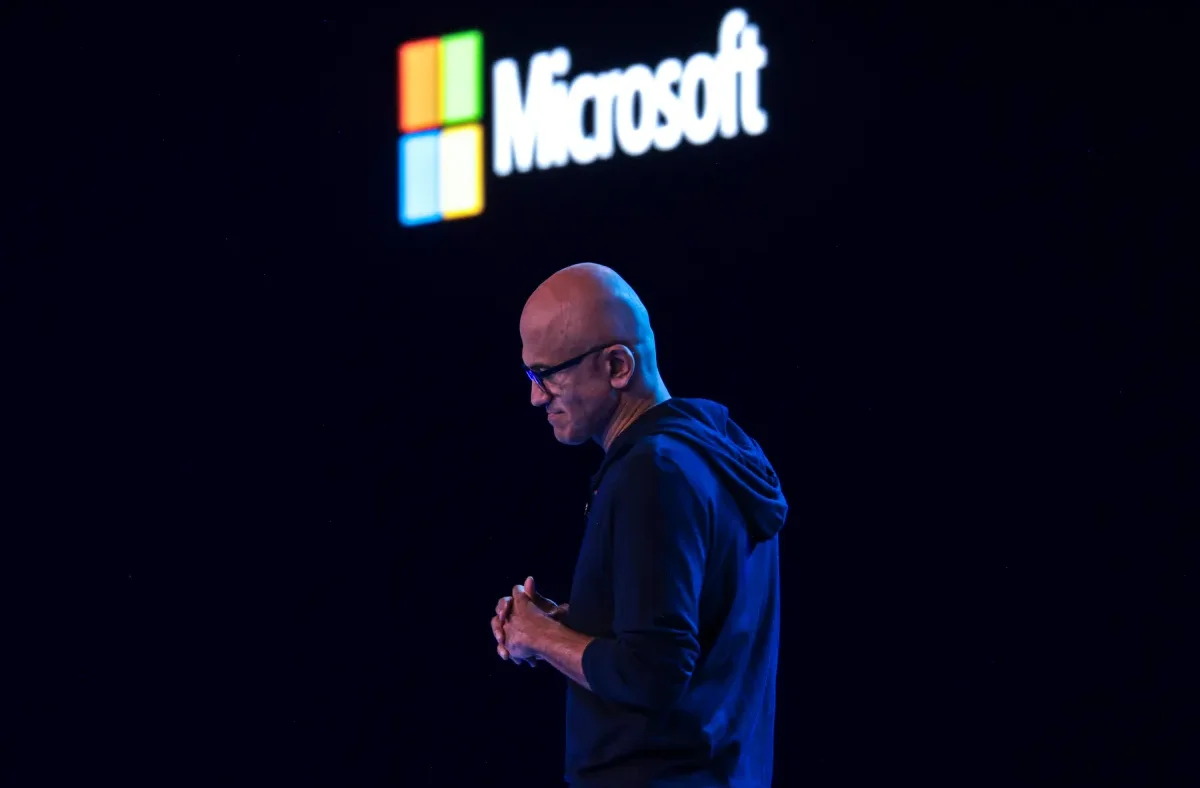
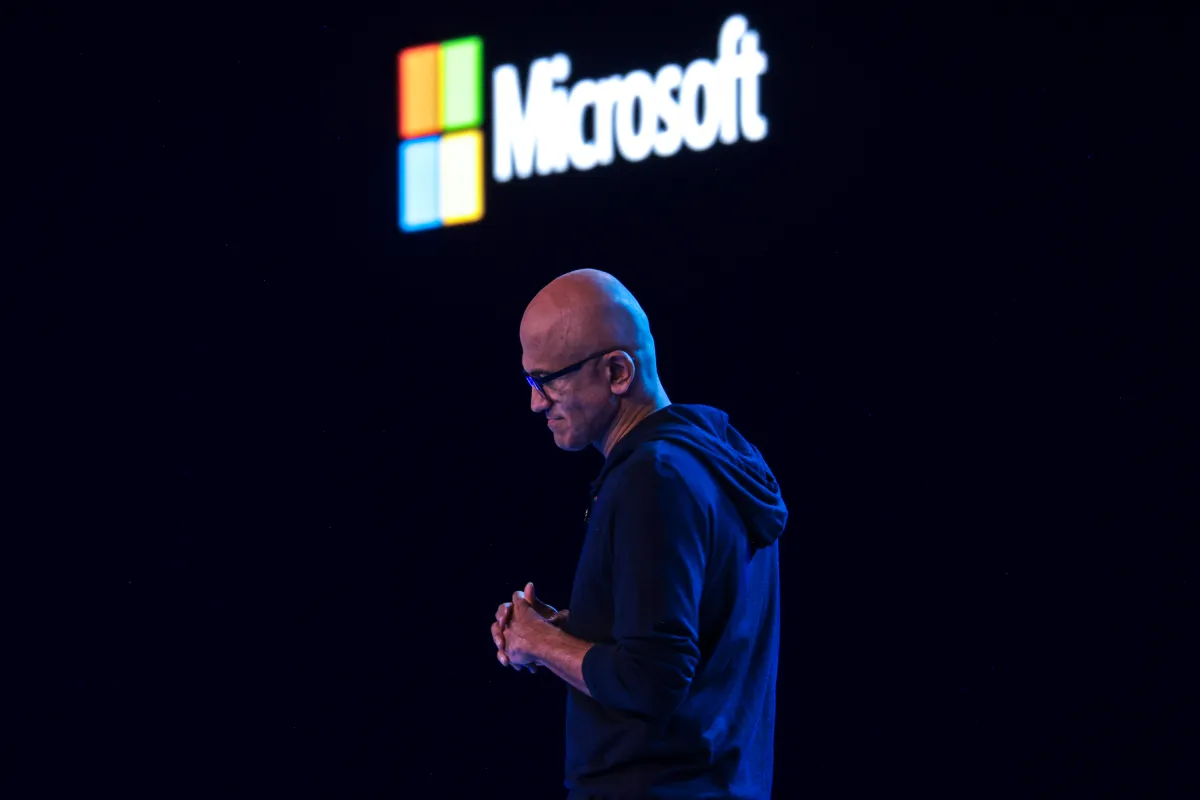
Microsoft is reportedly implementing a significant strategic shift by increasing its reliance on proprietary in-house AI models, aiming to curb the escalating operational costs associated with advanced AI services. This move signals a reduction in its dependency on external providers like OpenAI and Anthropic.
The technology giant has begun integrating its homemade MAI models into widely used applications such as Excel and Word. These internal models are now handling a portion of user prompts that were previously managed by third-party AI solutions. This change represents a notable departure from Microsoft’s earlier emphasis on its partnerships with OpenAI and Anthropic for powering features within Office 365.
AI Cost Reduction Strategy
Aspect | Details
—|—
Companies | Microsoft, Amazon, Uber, Meta, Accenture
Strategy | Increased reliance on in-house AI models, reduced third-party spending
Impact | Aims to curb rising operational costs of AI services
Context | Part of a broader industry trend towards “thrifty” AI spending post-“tokenmaxxing”
Despite this pivot, Microsoft has not entirely abandoned third-party models. However, recent announcements, including the introduction of seven new MAI models at its annual Build conference, highlight a clear strategic push towards greater AI self-sufficiency. These new models encompass an agentic coder and a text-to-image generator, significantly expanding Microsoft’s internal AI capabilities.
Broader Industry Trend
Microsoft’s decision reflects a wider trend observed across Silicon Valley. Following an initial period of aggressive investment and deployment in AI, often termed “tokenmaxxing,” many large enterprises are now re-evaluating their AI expenditures. Other major companies, including Amazon, Uber, Meta, and Accenture, have also reportedly initiated measures to control their AI-related spending. The substantial cost of both providing and consuming AI services has become a critical discussion point within the industry. This financial pressure has even led some companies to explore more affordable alternatives, such as models from Chinese providers, despite potential security considerations.
Implications for Indian Enterprises
For Indian enterprises and startups currently leveraging or planning to integrate AI, Microsoft’s strategy offers valuable insights into the importance of cost optimization in AI deployment. As AI adoption continues to grow rapidly across India, the financial viability of relying solely on external, potentially high-cost models becomes a crucial factor.
This global trend could encourage Indian companies to adopt hybrid AI strategies. Such an approach would involve combining external AI services for specific functionalities with the development of in-house solutions for other use cases. This could, in turn, foster the growth of local AI talent and strengthen domestic AI infrastructure. Furthermore, it underscores the necessity for careful vendor selection and a comprehensive understanding of long-term operational costs when integrating new AI solutions into business processes.
Microsoft’s shift suggests that while external partnerships can facilitate rapid deployment, cultivating proprietary AI assets may offer superior cost control and greater strategic independence over time. This approach is particularly relevant for large-scale operations and enterprises with high AI consumption, where recurring costs can quickly become substantial. Indian businesses should consider these factors when charting their long-term AI roadmaps.
Source: TechCrunch AI – https://techcrunch.com/2026/07/07/microsoft-joins-ai-cost-cutting-trend-by-relying-more-on-its-own-models/
Datos clave
| Punto | Detalle |
|---|---|
| Fuente | TechCrunch AI |
| Fecha | 2026-07-07T19:58:20+00:00 |
| Tema | Microsoft joins AI cost-cutting trend by relying more on its own models |