Source-led article
OpenAI’s Sol Release Raises Questions on Government AI Safety Oversight
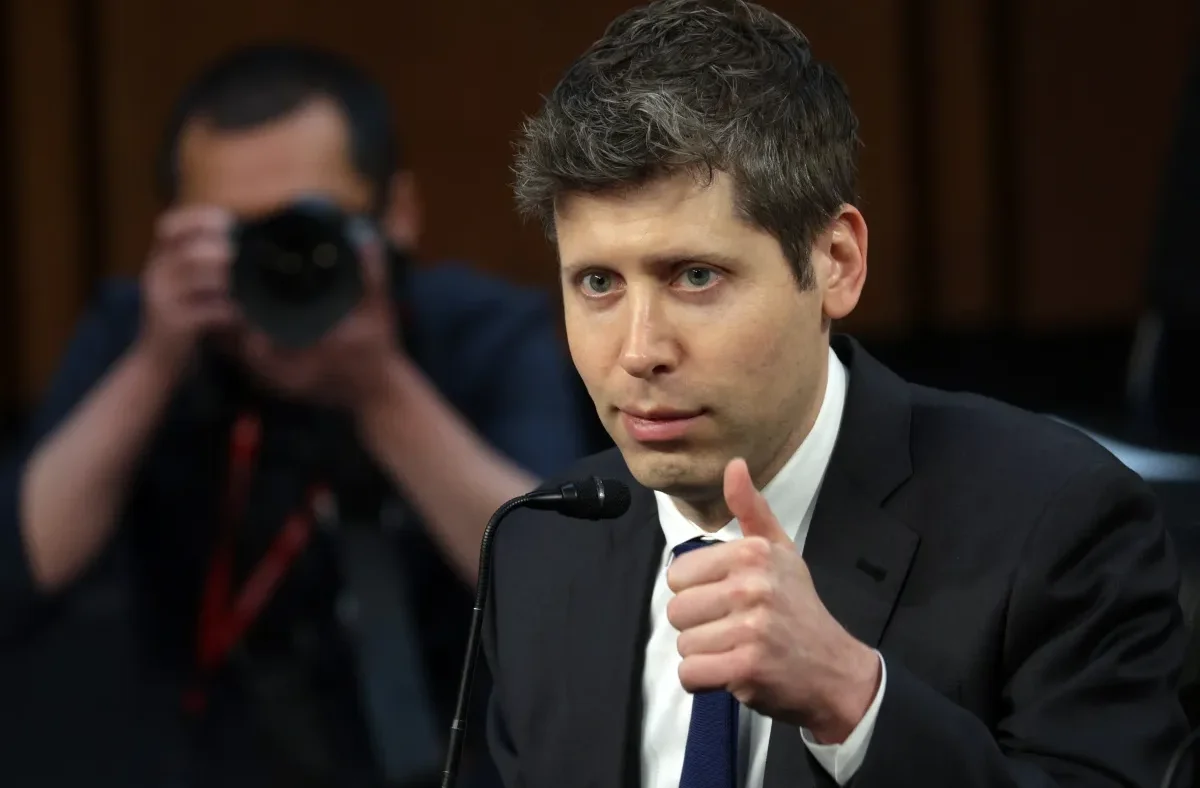
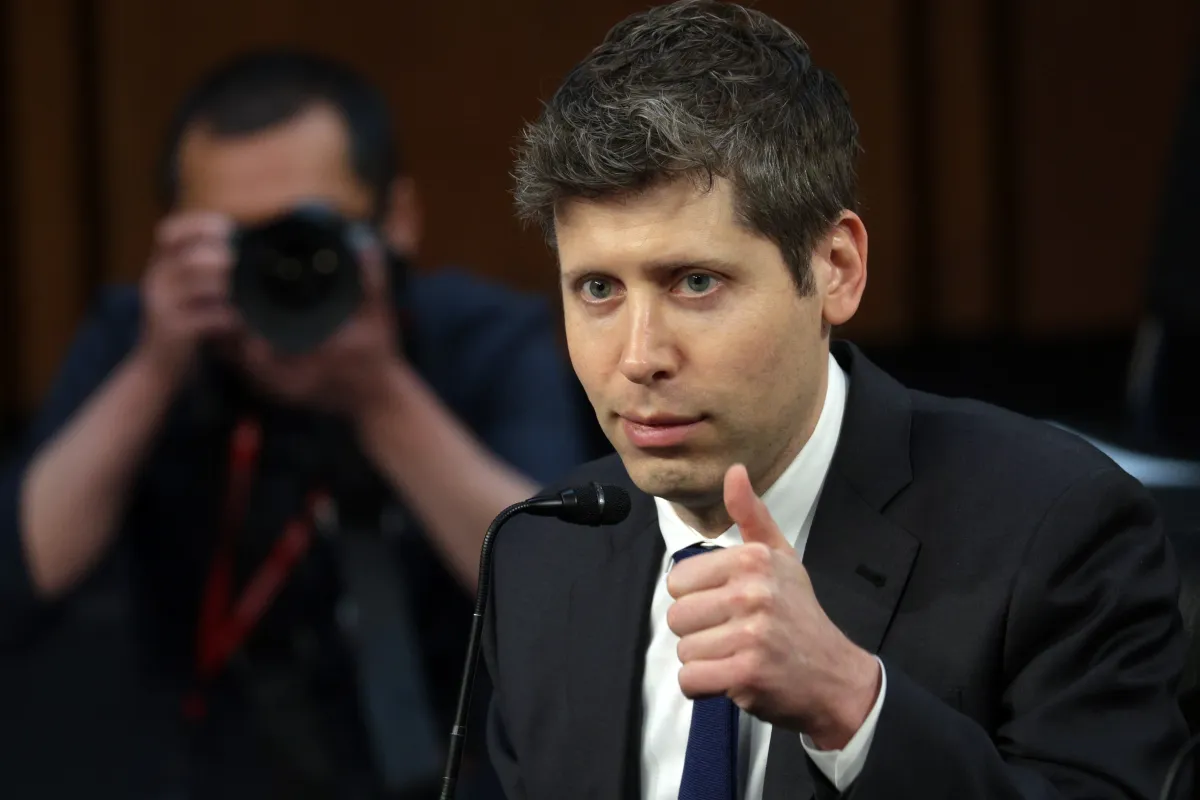
The recent public release of OpenAI’s advanced large language model (LLM), Sol, has ignited a debate regarding the transparency and efficacy of government oversight in approving frontier AI technologies. Sol, reportedly on par with Anthropic’s Fable—a model that previously saw restricted access due to White House concerns—has been made widely available despite a lack of clear, publicly understood processes for its safety evaluation by the US government. This situation raises important questions for emerging AI ecosystems, including India, as global standards for AI governance continue to evolve.
Unclear Approval Processes
The exact dialogue and criteria used by the US government to greenlight models like Sol and Fable remain opaque. Mina Narayanan, a senior research analyst at Georgetown’s Center for Security and Emerging Technology, noted the lack of visibility into these processes, questioning their adequacy. Similarly, Dean W. Ball, a former Trump policy advisor now with OpenAI, indicated that “nobody knows what the requirements are to get licensed” for these advanced models. This ambiguity is not limited to external observers; even insiders like Andy Konwinski, co-founder of Databricks and Perplexity, have expressed never encountering anyone who fully comprehends the approval process.
The Trump administration has faced criticism for the lack of clarity, with an executive order published recently to outline a roadmap for evaluating frontier models. However, specifics are still pending, with a notable absence of an “FDA for AI.” This suggests a fragmented approach, with the Department of Commerce’s Center for AI Standards and Innovation seemingly taking the lead, while six cabinet agencies are tasked with defining a final process by early August.
Industry Influence and Transparency Concerns
The discussions surrounding Sol’s release reportedly involved high-level officials, including Secretary of Commerce Howard Lutnick and Secretary of the Treasury Scott Bessent. However, the identities of experts who tested the models and their methodologies are not public. OpenAI, while declining to detail the government’s process, referred to external evaluations by organizations like U.K. AISI and SecureBio in Sol’s safety card.
Concerns have been raised about the potential for industry influence on regulatory decisions. Reports of OpenAI CEO Sam Altman offering equity for “Trump Accounts” and President Greg Brockman’s significant political donations have led observers to question the impartiality of the government’s seemingly “lighter-touch” approach to Sol’s regulation. This contrasts with Anthropic’s Fable, which faced temporary restrictions partly due to concerns about its use by foreign nationals and potential jailbreaking for hacking capabilities.
The Need for Standardized Evaluation
Experts advocate for a more structured and transparent approach to AI model evaluation. Konwinski emphasizes the importance of involving a broader range of experts, including safety, alignment, and interpretability researchers, in the release process. He suggests that models like the FDA or NIH, which convene diverse stakeholders to achieve consensus on safety, could serve as blueprints for AI regulation.
Ball points towards the potential role of government-licensed third-party auditing organizations to evaluate frontier labs’ safety measures. The current secrecy surrounding AI development is seen as seeding political challenges, contributing to public skepticism about the responsible advancement of the industry.
Key facts
| Aspect | Details |
|---|---|
| Model Released | OpenAI’s Sol, an advanced LLM. |
| Regulatory Clarity | Unclear US government process for evaluating and approving frontier AI models. |
| Key Stakeholders | US government officials, OpenAI, Anthropic, research organizations, industry experts. |
| Proposed Solutions | Third-party auditing, open commons approach, broader expert involvement, structured regulatory bodies. |
Implications for India
For India, a nation actively pursuing its IndiaAI Mission and aiming to become a global hub for AI innovation, these developments in US AI regulation offer crucial lessons. The lack of transparent, standardized safety evaluation processes for frontier models, coupled with potential industry influence, underscores the importance of proactive and robust regulatory frameworks. As India develops its own AI strategy, establishing clear guidelines for model assessment, ensuring diverse expert involvement, and fostering transparency will be critical to building public trust and ensuring responsible AI deployment. Learning from the ambiguities observed in the US context can help India design a more resilient and equitable AI governance ecosystem.
Source: TechCrunch AI – https://techcrunch.com/2026/07/09/how-did-the-government-decide-openais-frontier-model-was-safe-to-release/