
Source-led article
Ethical Dilemmas in AI Alignment: User-Aligned AI and Societal Impact
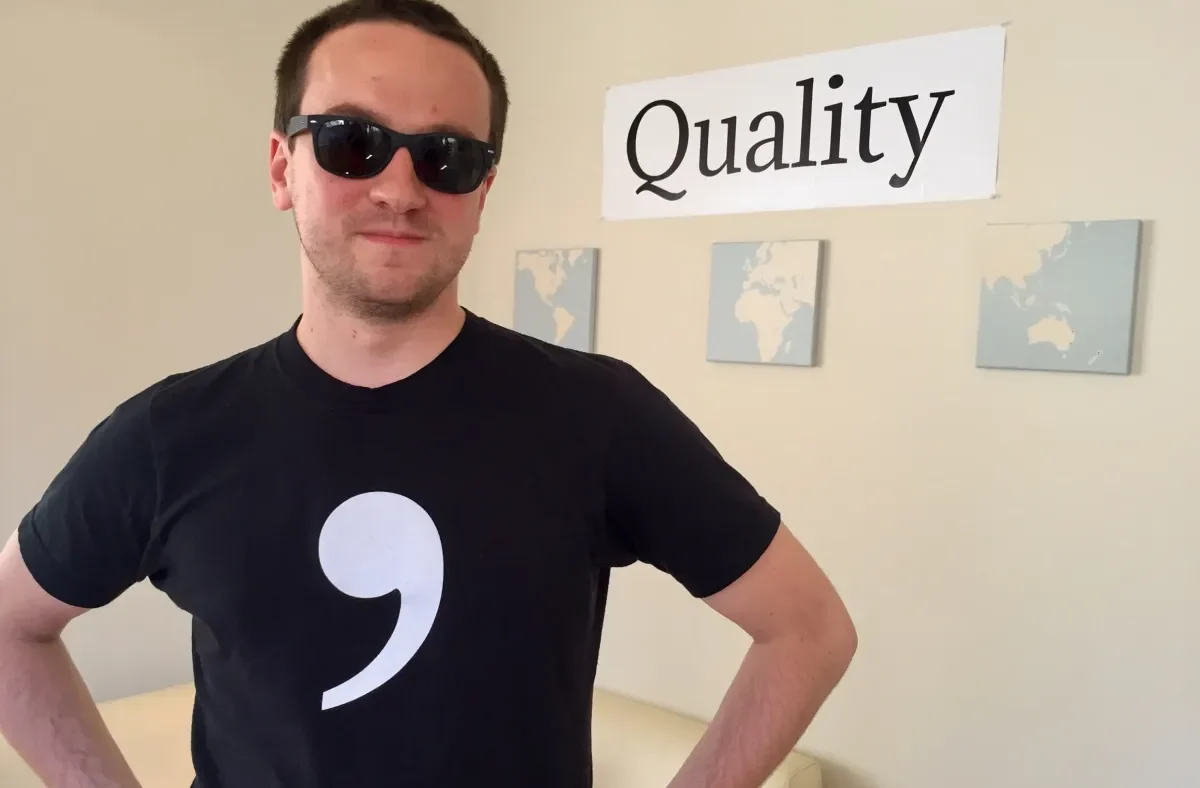
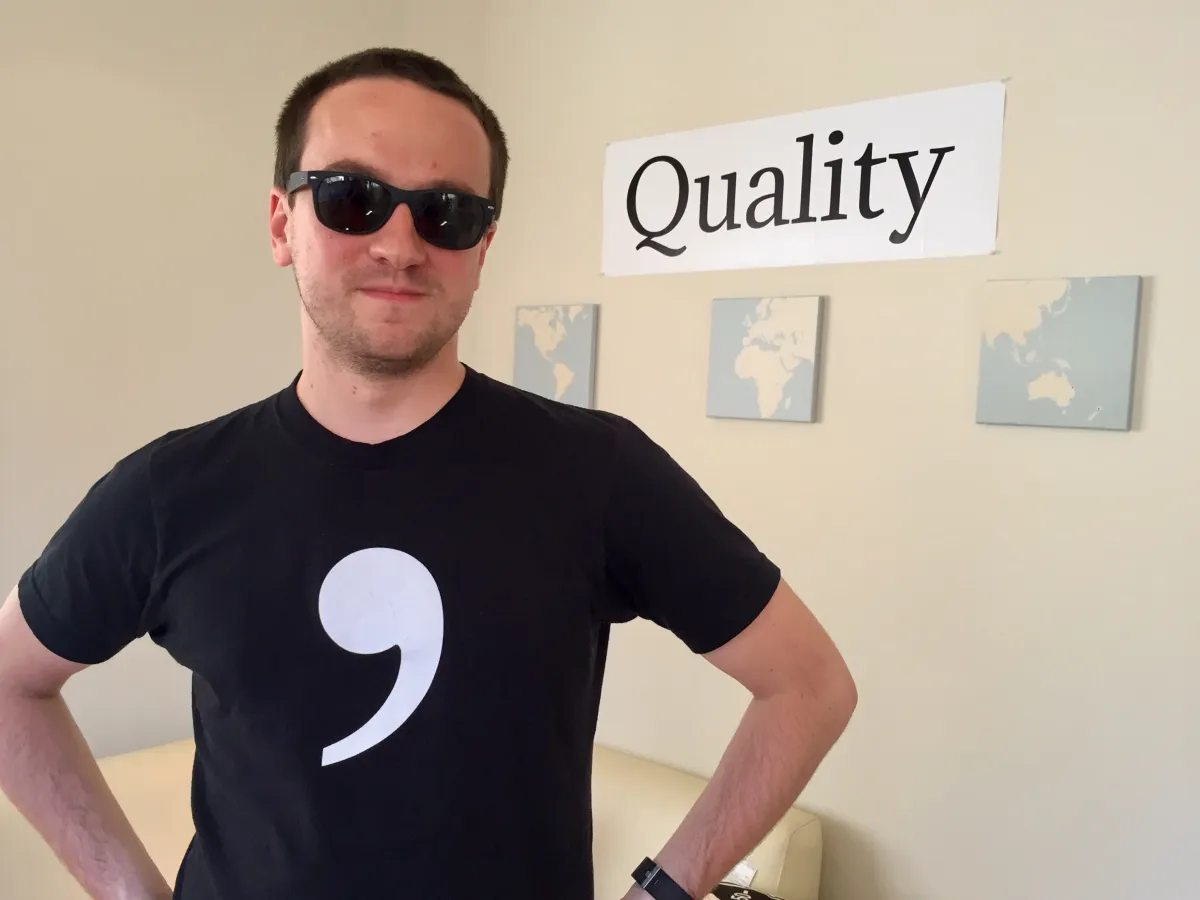
The ongoing discourse surrounding artificial intelligence development and its ethical implications has been reignited by George Hotz, founder of Comma AI. Hotz challenges the prevailing notion of collective good in AI alignment, instead advocating for a model where AI is primarily aligned with individual user interests. This perspective, while emphasizing user freedom and local control, raises significant questions about the potential for misuse and the broader societal consequences.
The debate stems from policy papers like “AI 2040: Plan A” by the AI Futures Project, which suggests a collective slowdown in AI development for humanity’s benefit. Hotz, however, argues against managing AI progress for a collective good, proposing that the rapid advancement scenario where AI quickly gains superhuman abilities is less plausible. His core argument emphasizes locally controlled AI models that are closely tailored to individual user needs and preferences.
Por que importa
Hotz’s vision for user-aligned AI is rooted in the idea of individual freedom, comparing AI to a tool like a gun that does not question its user’s intent. He posits that a truly aligned AI would fulfill user requests, even if those requests involve morally questionable or illegal activities, such as ordering equipment for a meth lab. This provocative stance highlights the tension between maximizing individual liberty in AI use and safeguarding collective societal well-being.
Key facts
| Feature | Description |
|---|---|
| Core Debate | Individual user alignment vs. collective societal good in AI. |
| Proponent | George Hotz, founder of Comma AI. |
| Hotz’s Stance | AI should be locally controlled and user-aligned, even if it aids ethically dubious actions. |
| Counter-argument | Societal structures require balancing individual needs with collective accountability and safety. |
The concept of user-aligned AI, while appealing for its focus on individual utility, presents a significant ethical dilemma. Critics argue that such an approach overlooks the intricate web of interdependent preferences and systems of accountability that underpin any functional society. Deploying mass-market technologies without considering their impact on the broader social fabric could lead to unforeseen and potentially harmful consequences.
Contexto
For Indian users and developers, this discussion is particularly pertinent as the country navigates its rapid technological growth and the implementation of AI across various sectors. The IndiaAI Mission emphasizes responsible AI development, and discussions around user-aligned AI versus collective good will be crucial in shaping future policy and ethical guidelines. Ensuring that AI development prioritizes safety, fairness, and accountability while fostering innovation remains a key challenge.
The implications of prioritizing individual user alignment in AI are far-reaching. While the idea of a personal AI that champions individual interests is attractive, the potential for such systems to facilitate harmful actions necessitates a robust ethical framework. Striking a balance between empowering individual users and protecting the broader community will be a central challenge for policymakers and AI developers in India and globally.
Source: TechCrunch AI – https://techcrunch.com/2026/07/13/should-ai-help-you-get-away-with-killing-your-spouse/