Source-led article
Microsoft enters AI cybersecurity market with dedicated model and agentic platform
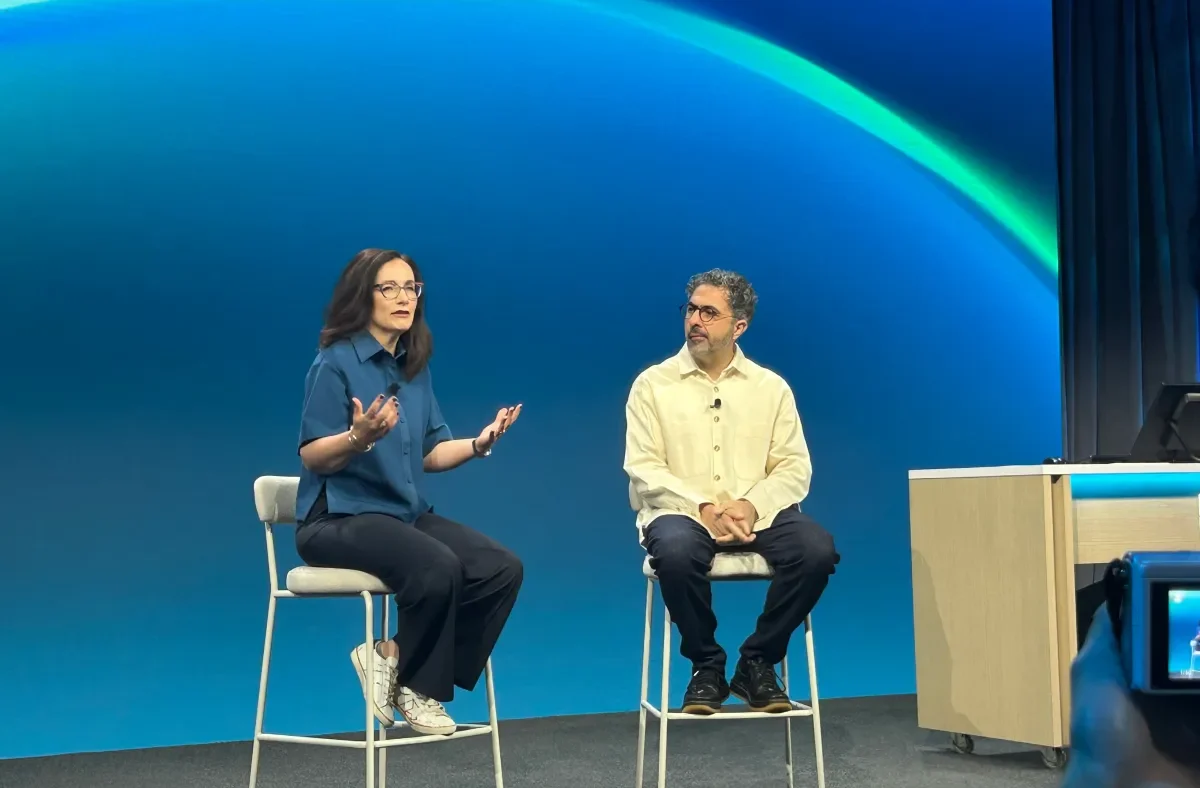
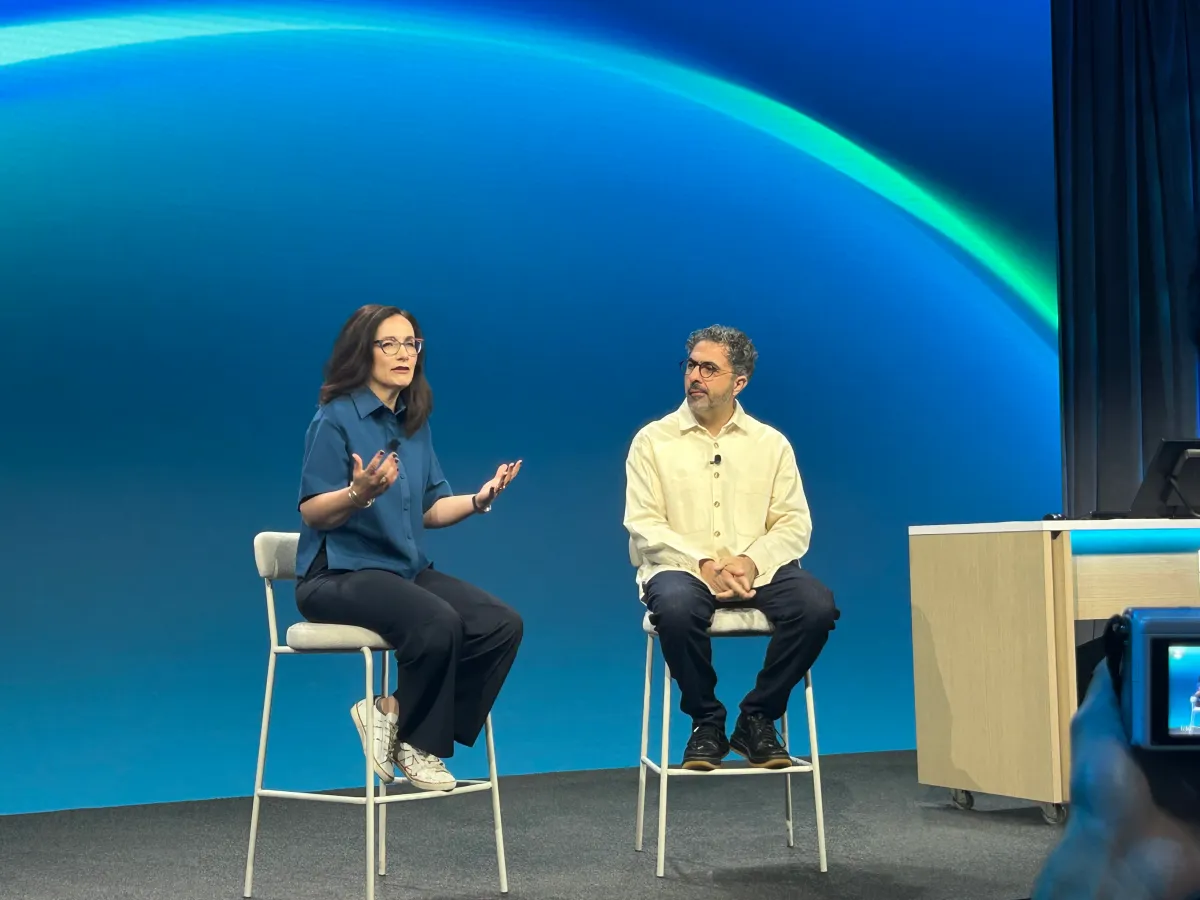
Microsoft introduced its first dedicated cybersecurity artificial intelligence model, MAI-Cyber-1-Flash, and a new agentic platform called Perception at a small event in San Francisco on Monday. The company is positioning the offerings as a response to the growing use of AI by attackers and a way to give enterprise defenders an edge in speed and scale.
The announcements signal a direct challenge to existing AI cybersecurity solutions from Anthropic, Google, and OpenAI. Microsoft claims its model outperforms leading competitors on a widely used benchmark and is already shipping into production.
The new model
MAI-Cyber-1-Flash is built to “find challenging vulnerabilities in complex codebases,” according to Microsoft. It is designed to work with MDASH, the company’s harness for software vulnerability identification and remediation. Mustafa Suleyman, co-founder of DeepMind and CEO of Microsoft AI, said the model is combined with GPT 5.4 inside the MDASH harness.
“We have MAI-1 Cyber Flash binded with GPT 5.4 inside of the MDASH harness — which beats out Gemini, GPT 5.5 Cyber, GPT 5.6 Sol, and Mythos 5 on Cyber Gym, which is the primary benchmark that we all use,” Suleyman said at the event. He added that the model is “shipping this into production immediately.”
Cyber Gym is a benchmark designed to evaluate AI models on cybersecurity tasks such as vulnerability detection and exploit generation. Microsoft’s claim of superiority, if independently verified, would give the company a strong position in a market where accuracy and speed are critical.
The Perception platform
Perception is an agentic security platform that deploys teams of AI agents to automate workflows. The platform uses three types of agent teams: red teams that simulate attacks, blue teams that detect and triage existing bugs, and green teams that take corrective actions. Microsoft said the system can integrate with MDASH to provide a complete pipeline from vulnerability discovery to code fix.
Hayete Gallot, Microsoft’s vice president for security, described Perception as a way for defenders to “defend against AI with AI at the scale and speed that the attackers have.” Dave Weston, lead engineer for Perception, said the platform reduces what used to take hours of manual work from multiple security specialists to minutes.
“We’ve gone from this taking hours and hours of manual work from multiple specialized folks across the security organization — appsec hunters, remediation engineers, you name it — and in minutes, we have a fix for all of this,” Weston said. “Not only do we discover the issues and prioritize them, but we have detection, posture fixing, and even a code fix.”
The platform is scheduled to be available in preview from November 3.
The competitive picture
Microsoft is entering a field that has quickly become crowded. Earlier this year, Anthropic launched Mythos, a security platform that was released to a small group of partner organisations through a programme called Glasswing. OpenAI also introduced its own security solution in May under the name Daybreak. Google’s Gemini and other models have been used in security contexts, but dedicated AI security platforms from major cloud providers are still relatively new.
Microsoft’s advantage lies in its existing enterprise ecosystem, which includes Azure, Microsoft 365, and a large customer base already using its security tools. The company’s ability to embed MAI-Cyber-1-Flash and Perception directly into existing workflows could give it a head start in adoption.
What this means for Indian enterprises
Indian organisations — from IT services firms to startups and large enterprises — are increasingly facing AI-driven cyber threats. The availability of a Microsoft-backed AI security platform could lower the barrier for deploying advanced defences. The company’s global rollout means Indian security teams will likely be able to test the preview in November.
For Indian IT and cybersecurity professionals, the launch signals that AI is becoming a standard part of the security stack, not just an experimental tool. Companies that rely on Microsoft infrastructure may find the integration particularly seamless. However, the platform’s effectiveness will depend on local threat models and the ability to customise the agent teams for Indian regulatory and business contexts.
Datos clave
| Feature | Details |
|---|---|
| Model | MAI-Cyber-1-Flash, built for vulnerability discovery; integrated with MDASH and GPT 5.4 |
| Platform | Perception: agentic red, blue, and green teams for simulation, detection, and remediation |
| Availability | Preview from November 3; production immediately for the model |
| Benchmark | Outperforms Gemini, GPT 5.5 Cyber, GPT 5.6 Sol, and Mythos 5 on Cyber Gym |
The launch reinforces the trend of AI being used both for attack and defence. While Microsoft’s claims are strong, independent verification of benchmark results will be important for security teams evaluating the tools. Indian enterprises should monitor the preview period to assess how well the platform adapts to local vulnerabilities and compliance requirements.
Source: TechCrunch AI – https://techcrunch.com/2026/07/27/microsoft-launches-its-first-cyber-model-and-a-new-agentic-cybersecurity-system/