
Source-led article
Google Analytics Enhances Attribution with Source Grouping and Hostname Filtering
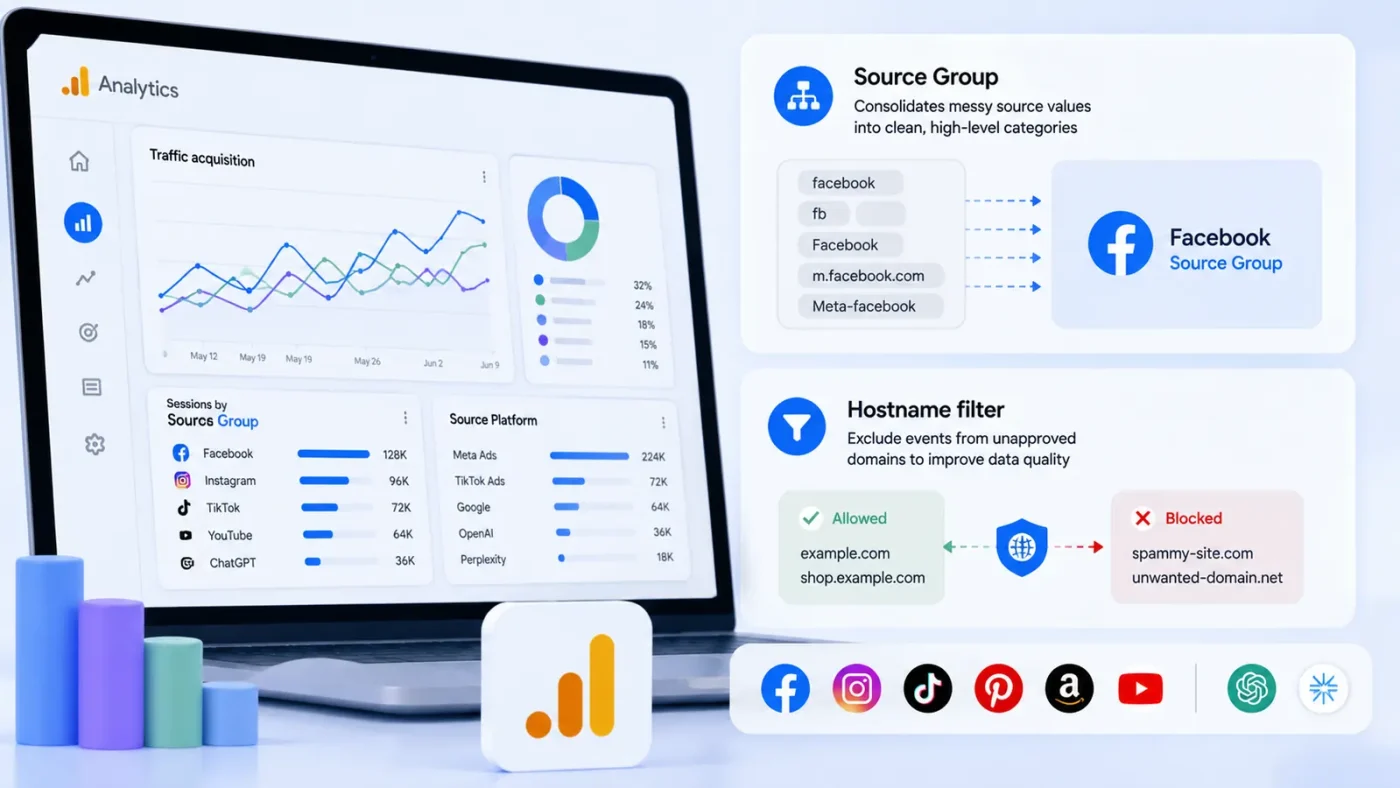
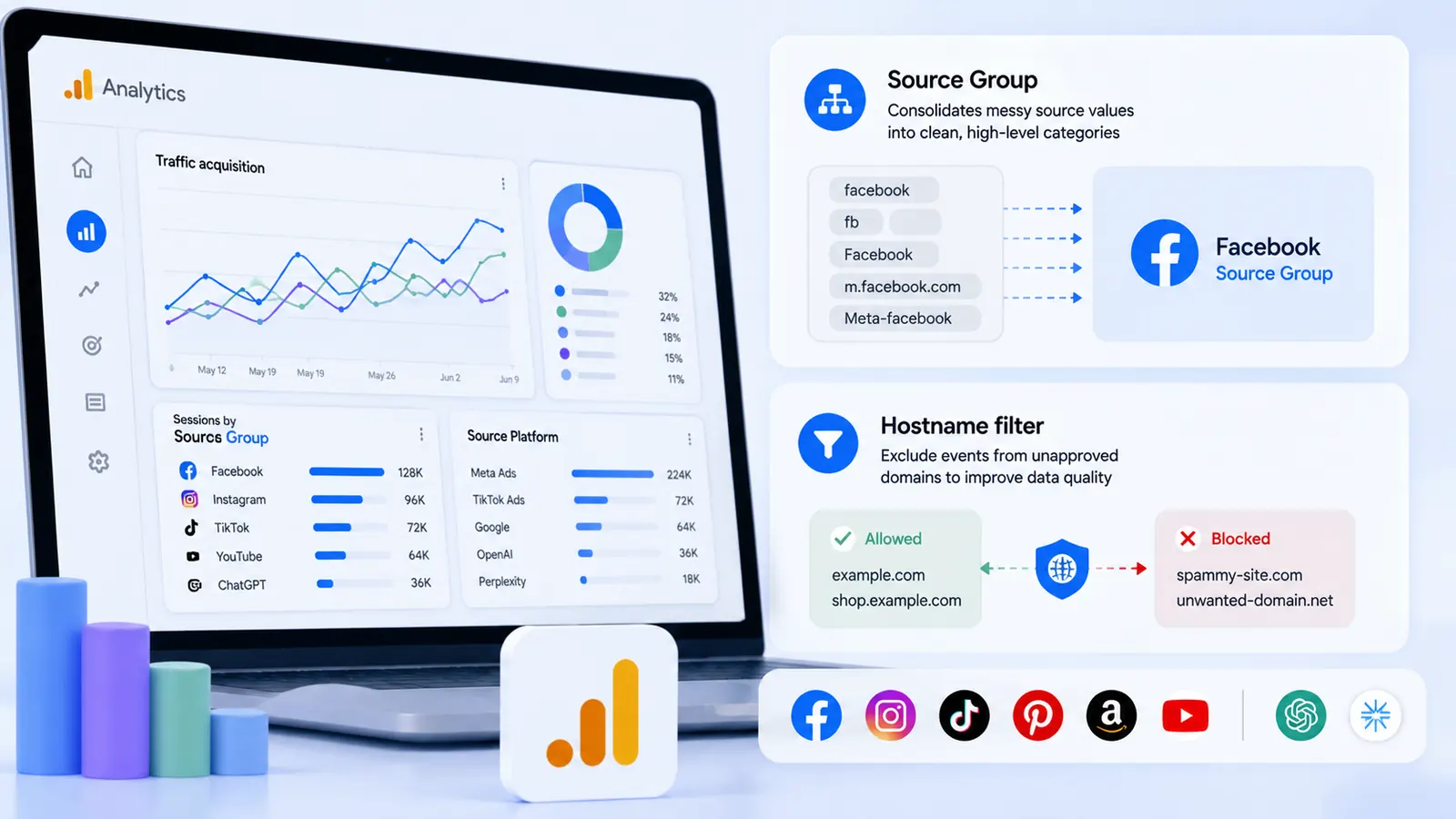
Google Analytics is rolling out significant updates to its platform, introducing a new Source Group reporting dimension and enhanced hostname filtering controls. These additions aim to provide digital marketers and analysts with cleaner data, more accurate attribution, and improved cross-channel performance analysis, particularly relevant for campaigns targeting the Indian market.
The updates address common challenges in fragmented traffic source reporting, allowing for a more streamlined understanding of where website traffic originates and how different channels contribute to conversions. This is crucial for optimizing marketing spend and strategy in a competitive digital landscape.
Key Enhancements for Marketers
The introduction of the Source Group reporting dimension is a central feature of this update. It consolidates various naming conventions for the same traffic source into a single, standardized category. For instance, traffic from different Facebook variations (e.g., “facebook,” “fb”) will now be uniformly grouped under “Facebook.” This standardization extends beyond Google’s own properties, covering platforms like TikTok, Pinterest, and Amazon, ensuring consistent classification across a broad spectrum of advertising channels.
Alongside this, the existing Source Platform field will be updated to align with the new grouping structure, further enhancing classification consistency. A noteworthy inclusion is the support for emerging AI traffic sources such as ChatGPT and Perplexity, offering a standardized way to measure and compare AI-driven referral traffic with traditional channels.
Improving Data Accuracy
New hostname filters are also being launched within the Admin section of Google Analytics. These filters enable advertisers to exclude events from unapproved domains before they are processed into reporting. This feature is designed to significantly improve data accuracy by preventing unwanted or spam traffic from distorting analytics, leading to a more reliable understanding of user behavior and campaign effectiveness.
Cleaner data means that marketers can make more informed decisions about their campaigns, ensuring that resources are allocated based on genuine engagement and conversions rather than noisy or irrelevant traffic data.
Impact on Attribution and Cross-Channel Reporting
For businesses operating in India, these updates mean a clearer picture of their digital marketing efforts. Inconsistent source naming has historically complicated attribution and budget analysis, especially as campaigns span an increasing number of platforms. The new reporting structure simplifies performance comparisons across diverse channels, making it easier to identify which platforms are truly driving results and where marketing budgets are performing best.
Marketers will also gain retroactive access to historical source group data, allowing for consistent analysis of past performance against the new standardized classifications. This ensures continuity in data interpretation and facilitates long-term strategic planning.
Key facts:
| Feature | Description |
|---|---|
| Source Group | Consolidates various traffic source naming conventions into standardized categories (e.g., “Facebook” instead of “fb,” “facebook”). |
| Hostname Filters | Allows exclusion of events from unapproved domains to prevent irrelevant traffic from skewing data. |
| AI Traffic Sources | Standardized measurement and comparison for emerging AI-driven referral traffic like ChatGPT and Perplexity. |
| Retroactive Data | Historical source group data is accessible, enabling consistent analysis over time. |
The updates from Google Analytics represent a significant step towards improving data hygiene and analytical capabilities for digital marketers. By simplifying traffic source identification and enabling more precise data filtering, the platform empowers businesses, including those in India, to refine their digital strategies, optimize spending, and gain a clearer return on investment from their marketing activities.
Source: Search Engine Land (https://searchengineland.com/google-analytics-adds-source-grouping-and-hostname-filtering-480096)