Source-led article
India Raises Alarm Over US Control of AI Models at G7 Summit
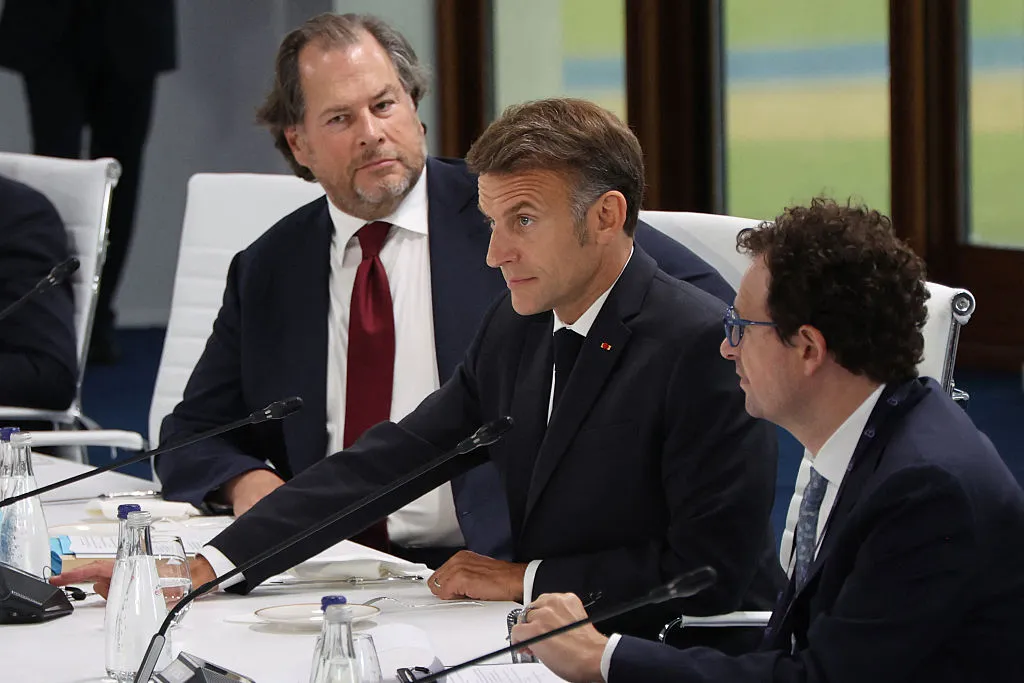
At the recent G7 Summit, Indian Prime Minister Narendra Modi and French President Emmanuel Macron raised significant concerns about the United States’ potential to restrict access to advanced American AI models. Their remarks followed the Trump administration’s decision to block the export of Anthropic’s Mythos 5 and Fable 5 models, citing national security grounds.
Macron reportedly warned G7 leaders and AI executives, including OpenAI CEO Sam Altman and Anthropic CEO Dario Amodei, that an abrupt cutoff of US AI access could severely impact European economies and the AI firms themselves. This sentiment was echoed by Prime Minister Modi, who, according to Financial Times reporting, stressed the importance of democratic nations having unrestricted access to top-tier AI models to safeguard critical infrastructure.
The Anthropic Blackout
The context for these warnings is the recent US government order preventing Anthropic from exporting its Mythos 5 and Fable 5 models. This decision came after Amazon reportedly flagged potential vulnerabilities in the safety guardrails of these models to the White House. While cybersecurity experts have noted that similar capabilities exist in other freely available models, Anthropic’s offerings remain restricted.
This incident has underscored a growing risk for international companies and governments relying on US AI infrastructure: the possibility of access being revoked without prior notice or clear explanation. Aidan Gomez, co-founder and CEO of Canadian enterprise AI firm Cohere, stated that the Anthropic restriction validates concerns about over-reliance on a few large tech companies, highlighting that “digital sovereignty is not just about market competition or any one company or nation. It’s about who controls the foundational technology that will shape our economic security and national sovereignty for decades to come.”
Key facts
| Fact | Detail |
|---|---|
| Event | G7 Summit |
| Key Leaders | Indian PM Narendra Modi, French President Emmanuel Macron |
| Core Concern | US control over advanced AI models, potential for access revocation |
| Trigger Incident | US block on Anthropic’s Mythos 5 and Fable 5 model exports |
Proposals for Trusted Partnerships
During the summit, G7 leaders also discussed the establishment of a “trusted partners” scheme. This initiative aims to grant non-US nations access to advanced AI models from companies like Anthropic and OpenAI, creating a network that could circumvent potential US restrictions. The goal is to maintain an open trade environment, with eligible partners—both countries and companies—using these models to strengthen defenses against rivals.
However, the full scope and effectiveness of such a scheme remain unclear, particularly for startups in regions like Bangalore or Paris that might face unexpected disruptions. Macron suggested that Washington should support this scheme and ensure broader access to models like Mythos, emphasizing that without reliable access, international entities would be hesitant to invest in US AI.
Implications for India and Digital Sovereignty
For Indian users and companies, these developments highlight the critical need for digital sovereignty and diversified AI infrastructure. The concerns raised by PM Modi at the G7 underscore India’s strategic interest in ensuring stable and predictable access to advanced AI technologies, which are vital for its economic growth, technological development, and national security. The risk of a single nation controlling foundational AI models prompts a broader discussion within India about fostering indigenous AI capabilities and international collaborations that promote equitable access and reduce dependency. The G7 discussions indicate a global shift towards recognizing AI as a strategic asset, where control and access have significant geopolitical implications.
Source: TechCrunch AI, https://techcrunch.com/2026/06/17/world-leaders-want-american-ai-they-just-dont-want-america-to-be-able-to-turn-it-off/