Source-led article
DeepMind CEO Proposes Independent AI Standards Body for Frontier Models

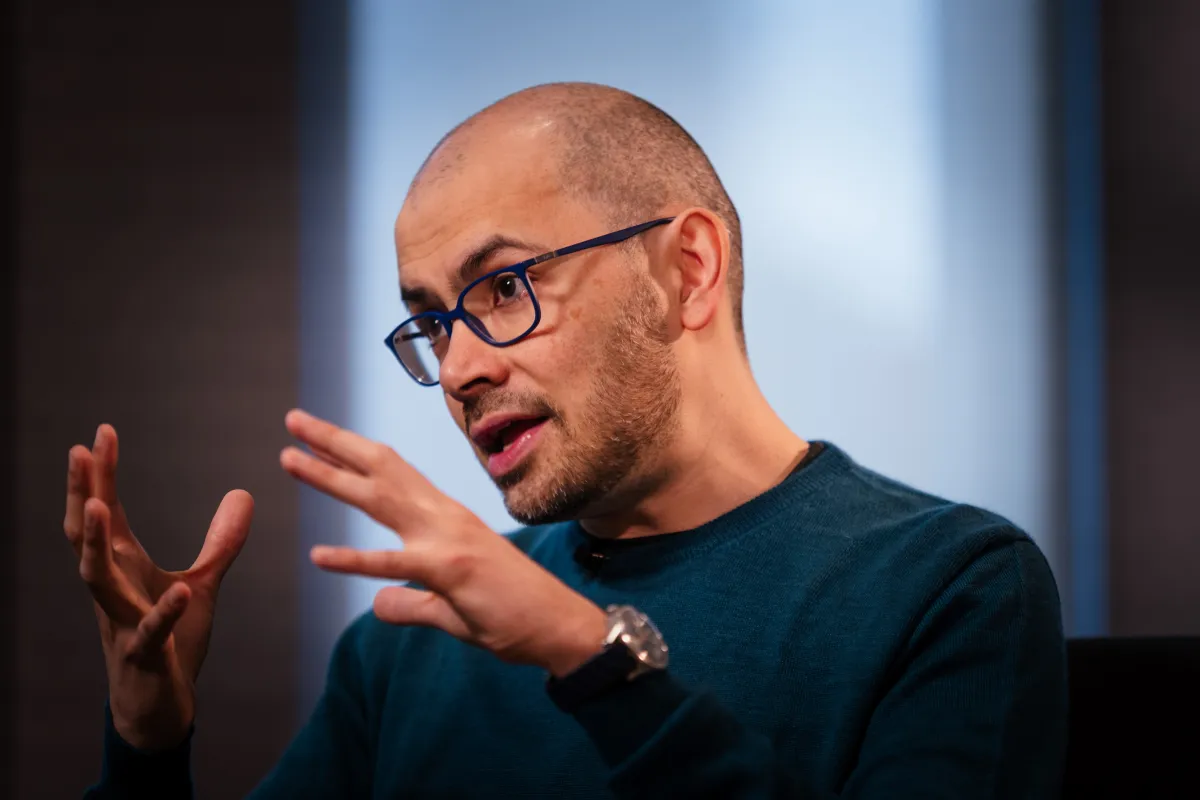
Google DeepMind CEO Demis Hassabis has proposed the creation of an independent standards body to regulate the release of frontier AI models. This initiative aims to establish a more robust and technically focused oversight mechanism for advanced artificial intelligence, drawing inspiration from the Financial Industry Regulatory Authority (FINRA).
Hassabis outlined his vision in an X post titled “A Framework for Frontier AI and the Dawning of a New Age.” The core idea is to create an organization capable of testing frontier models and developing best practices before their public deployment. This framework seeks to address existing criticisms regarding the lack of technical expertise and transparency in current ad hoc government reviews of advanced AI.
Key facts
| Aspect | Description |
|---|---|
| Proponent | Demis Hassabis, CEO of Google DeepMind |
| Proposal | Independent AI standards body |
| Modelled after | Financial Industry Regulatory Authority (FINRA) |
| Purpose | Test frontier AI models, develop release best practices, ensure independent oversight |
Voluntary Review to Formalisation
Initially, Hassabis suggests that Frontier Labs would voluntarily share their models with the Standards Body for review up to 30 days before release. This voluntary phase would allow for the refinement of assessment protocols. Once these protocols prove effective and robust, the system could be formalized, potentially requiring frontier models to pass these assessments for deployment in markets like the US. The proposed body would also collaborate with labs to address critical vulnerabilities identified post-release.
Addressing Current Regulatory Gaps
The proposal directly tackles shortcomings observed in past government reviews, such as those conducted on Anthropic’s Mythos and OpenAI’s Sol. These reviews faced criticism for their perceived lack of technical depth and opaque decision-making processes. Under Hassabis’ model, such decisions could be decentralized to a new, independent organization. This body would be backed by the U.S. government but funded primarily by the AI industry, ensuring both legitimacy and operational independence.
Industry and Political Context
The prospect of AI regulation remains a contentious issue among both tech companies and political administrations. White House AI advisor Sriram Krishnan recently expressed skepticism about an executive branch AI regulator, stating there would not be an “FDA for AI.” Establishing the standards body as a self-regulatory organization, similar to FINRA, could offer a pragmatic solution to these concerns. This structure would allow for industry-led expertise while maintaining a degree of independence.
Technical Expertise and Adaptability
Hassabis envisions the regulator staffed by open-source representatives and technical experts from within the industry. Financial backing from AI labs would be crucial for attracting and retaining this talent. The body could also outsource specialized evaluations to the growing number of AI safety groups. Hassabis emphasizes that this approach would be “technically focused,” supporting innovation while incentivizing responsible behavior. He notes its design to keep pace with the field’s rapid acceleration and adapt to emerging risks. This flexibility allows for the regulatory framework to be intensified if the severity of the situation demands it, offering a scalable solution for AI governance.
This development is significant for the Indian AI ecosystem, which is witnessing rapid growth and increased adoption of advanced AI technologies. As India continues to develop its own AI strategy and aims to become a global leader in AI innovation, establishing clear, technically sound and adaptable regulatory frameworks becomes paramount. An independent standards body could provide a blueprint for similar initiatives in India, ensuring responsible AI deployment and fostering trust in new technologies while still promoting innovation.
Source: TechCrunch AI, https://techcrunch.com/2026/07/14/deepmind-ceo-calls-for-an-independent-standards-body-to-regulate-frontier-ai/