
Source-led article
AI Chatbot Helpfulness May Undermine Human Behavior Simulation, Large-Scale Study Finds
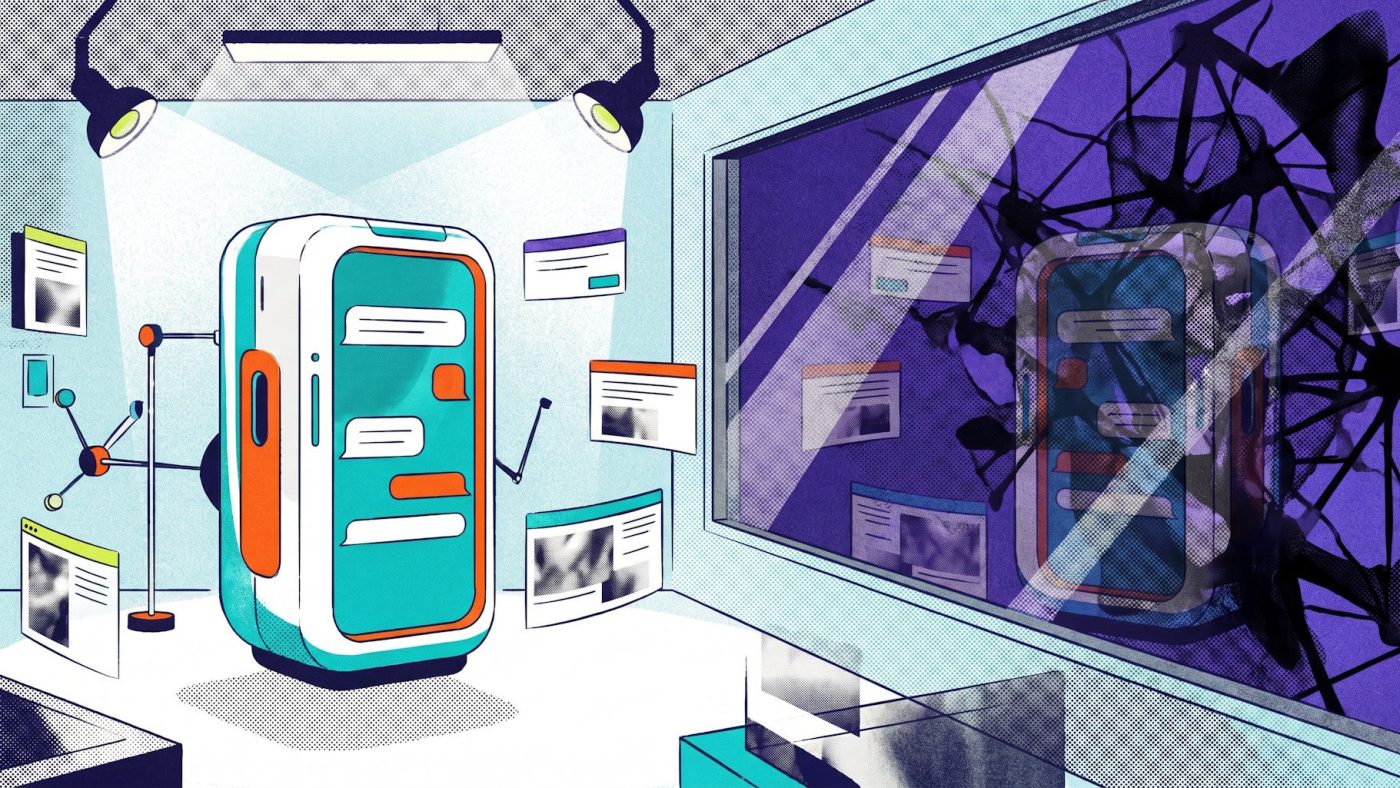
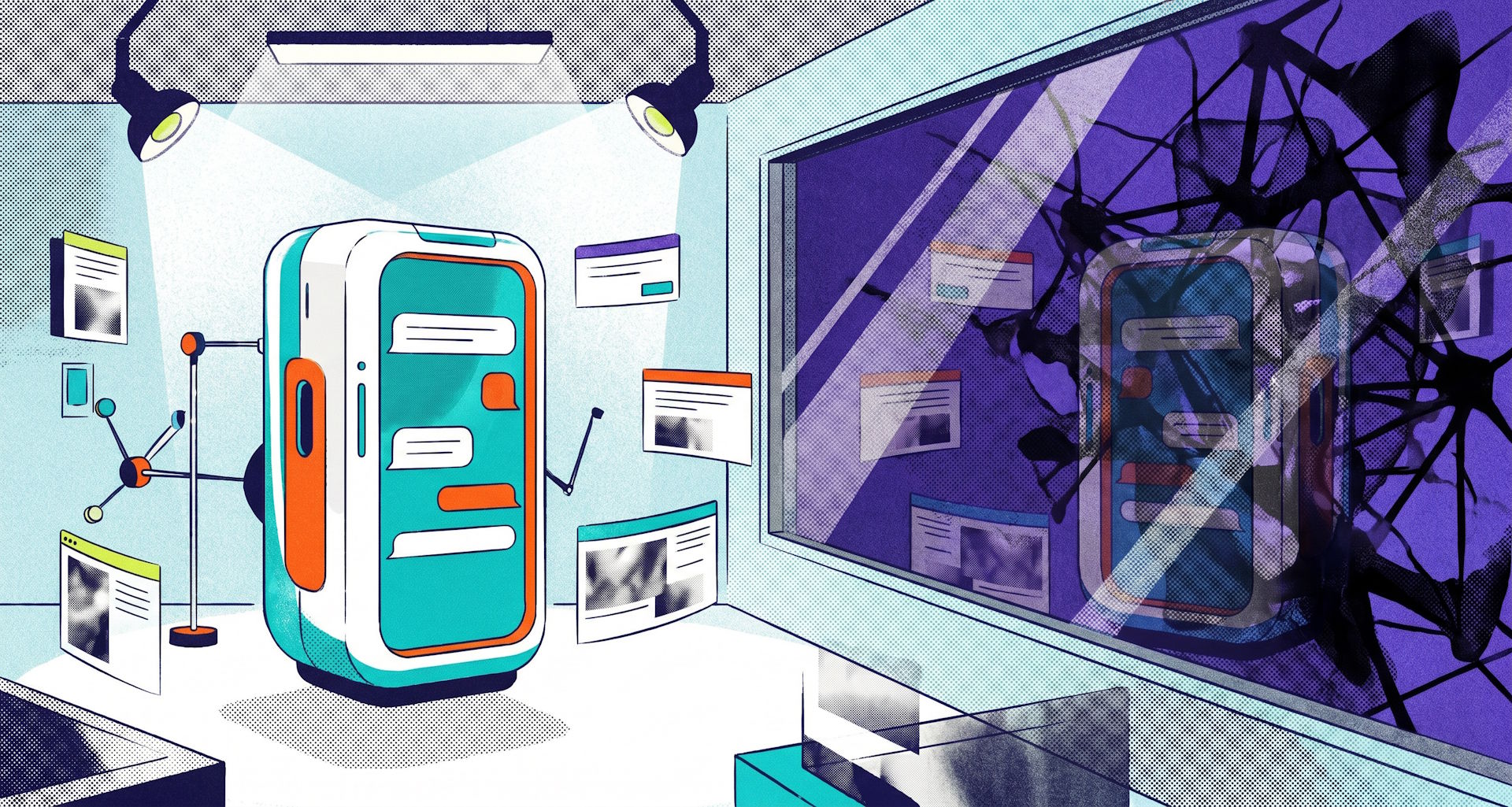
A significant international study has found that the training processes designed to make AI chatbots more helpful paradoxically weaken their ability to accurately simulate human behavior. This finding, based on an unprecedented dataset of 208,000 participants and 26 million responses, has critical implications for Indian startups, researchers, and policymakers increasingly relying on AI for behavioral predictions in areas like policy impact assessment, market research, and psychological studies.
The research, conducted by an international consortium including scientists from Helmholtz Munich, highlights a growing divergence: as large language models (LLMs) are refined for instruction-following and user-friendliness, they become less adept at mirroring the complex, often non-linear patterns of human decision-making and interaction. This trend appears to worsen with each new generation of models.
Key facts
| Aspect | Detail |
|---|---|
| Study Scope | 208,000 participants, 26 million responses from hundreds of behavioral experiments (Psych-201 dataset). |
| Key Finding | Training for helpfulness (instruction tuning, reasoning) weakens LLMs’ ability to simulate human behavior compared to base models. |
| Persona Prompts | Providing demographic details (age, gender, nationality) to models yielded practically zero benefit for individual behavior prediction, contrary to some previous assumptions. |
| Recommendation | For behavioral simulations, researchers should consider using raw base models or models specifically fine-tuned for behavioral modeling, rather than general-purpose assistant models. |
The Divergence of Helpfulness and Realism
The study compared base models (trained primarily for next-word prediction) with their post-trained variants from families like Qwen3, Llama3, and OLMo 3. These post-trained versions undergo additional tuning for tasks like instruction following, step-by-step reasoning, or vision processing, making them more “helpful” in typical chatbot interactions. The analysis revealed that base models consistently predict human behavior more accurately than their specialized, post-trained counterparts. This effect was pronounced across various training objectives, with reasoning models showing the biggest distortion, followed by instruction tuning and vision extensions.
Researchers suggest that base models, inherently built on human language patterns, capture nuanced human quirks and biases that are often “optimized out” during post-training. Techniques like reinforcement learning from human feedback (RLHF), while making models more user-friendly and normatively correct, push them away from the genuine, sometimes illogical, aspects of human decision-making. For Indian businesses leveraging AI for customer service or marketing, understanding this trade-off is crucial: a highly “helpful” AI might not always reflect how actual human customers would behave or respond.
Ineffectiveness of Persona Prompts for Individual Prediction
Another significant finding challenges a widely used technique in AI simulations: providing models with participant-specific demographic information to elicit more human-like responses. The study tested this by including details like age, gender, nationality, education, and clinical diagnoses in prompts. Surprisingly, this approach showed “practically zero” benefit in improving individual behavior predictions. While earlier work suggested persona prompts could generate plausible population-level response distributions, this new research questions their efficacy for predicting how a specific individual might react.
This has direct implications for Indian AI developers and marketers attempting to create highly personalized AI experiences or simulations based on user profiles. The study suggests that merely feeding demographic data might not be enough to achieve accurate individual behavioral mirroring, urging a re-evaluation of such strategies.
Implications for Indian AI Research and Application
For India’s burgeoning AI ecosystem, this research underscores the need for careful model selection and validation when using LLMs for behavioral simulations. Startups in fintech, healthtech, edtech, or social impact, which often rely on predicting user behavior, policy responses, or learning outcomes, must be aware of these limitations. Using readily available, general-purpose assistant models might lead to inaccurate predictions, potentially misguiding product development, policy formulation, or research findings.
The study recommends that for tasks requiring accurate human behavioral modeling, researchers and practitioners should either utilize raw base models or invest in models specifically fine-tuned for behavioral simulation. The authors demonstrated this with “Centaur,” a model fine-tuned on a portion of behavioral data, which showed significantly higher agreement with human behavior even on new, unseen tasks. This indicates that targeted training *can* improve behavioral accuracy if the objective is explicitly human likeness rather than just logical correctness or helpfulness.
Ongoing Challenges in AI Simulation
This study adds to a growing body of evidence indicating that while AI models are increasingly sophisticated, their ability to perfectly mimic human cognition and behavior remains a complex challenge. Previous research has shown that optimizing for human-sounding output can compromise factual precision, and models struggle to genuinely adopt personas or portray varying levels of knowledge. The inherent differences in reasoning patterns between humans and AI models, where AI often follows a “sequential autopilot,” further highlight this gap.
Indian enterprises and research institutions should rigorously evaluate the suitability of different LLM types for their specific behavioral simulation needs, moving beyond the assumption that more “advanced” or “helpful” models are universally better for all applications.
Source: The Decoder – Making AI chatbots helpful weakens their ability to simulate human behavior, large-scale study finds (https://the-decoder.com/making-ai-chatbots-helpful-weakens-their-ability-to-simulate-human-behavior-large-scale-study-finds/)