
Source-led article
The Leela’s 40-Year Marketing Playbook: Heritage, Seasonality, and the Shift to Experiential Luxury
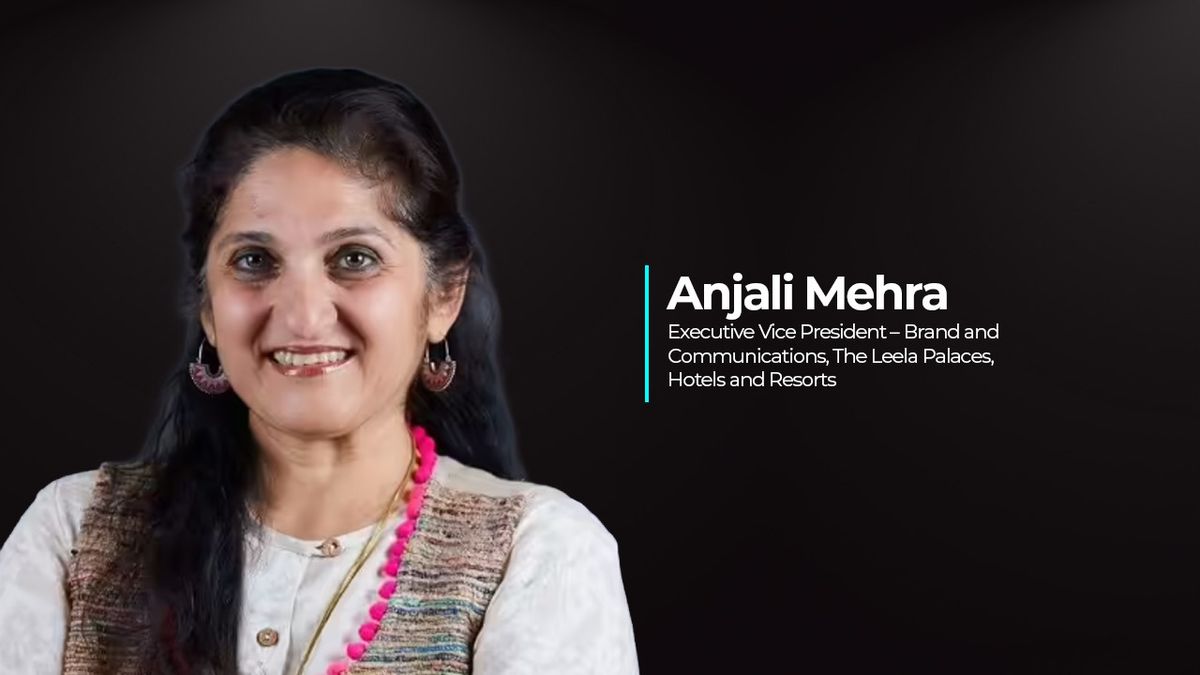
The Leela Palaces, Hotels and Resorts is completing 40 years in operation, and its marketing strategy has undergone a fundamental shift from selling opulent properties to telling stories rooted in culture, wellness, and seasonality. Anjali Mehra, Executive Vice President of Brand and Communications, outlined the brand’s approach in a recent interview, emphasising that relevance comes from evolving the expression of a core promise rather than reinventing the brand itself.
The chain, which operates properties including The Leela Palace Bengaluru, The Leela Palace New Delhi, and The Leela Palace Udaipur, has introduced several new platforms in recent years. These include wellness proposition Aujasya, members-only club Arq by The Leela, and The Leela Coorg Forest Sanctuary. According to Mehra, these are not standalone offerings but newer expressions of the same philosophy of Indian luxury.
Datos clave
| Aspect | Detail |
|---|---|
| Brand milestone | The Leela Palaces, Hotels and Resorts completes 40 years |
| Key executive | Anjali Mehra, EVP Brand and Communications |
| Recent brand extensions | Aujasya (wellness), Arq (members club), Coorg Forest Sanctuary |
| Notable campaigns | Time Travel with The Leela, Icons of India, Melodies by The Leela |
Luxury defined by meaning, not opulence
Mehra noted that the biggest shift in luxury hospitality over four decades has been in traveller expectations. “Luxury has shifted from being centred around opulence to being defined by meaning, individuality and experiences,” she said. Today’s affluent travellers seek authenticity, cultural immersion, and emotional connection alongside exceptional service.
This observation aligns with Deloitte’s Future of Luxury Travel report, which identifies experiential travel, wellness, technology-enabled personalisation, and cultural immersion as defining trends. For marketers, the implication is clear: selling a property is no longer sufficient. The story must explain why someone should experience a destination in a particular way.
The Leela’s ‘Time Travel with The Leela’ campaign moved away from showcasing hotel infrastructure. Instead, it used the “Icons of India” platform, featuring figures such as HH Sawai Padmanabh Singh of Jaipur, to reinterpret Indian heritage for modern travellers. Similarly, initiatives like ‘Melodies by The Leela’ and ‘Nakshatra’ extend the brand into music, culture, and the arts, treating Indian heritage as a living tradition rather than archival nostalgia.
Seasonal storytelling over off-season marketing
Mehra challenged the traditional hospitality marketing calendar, which concentrates communication around summer vacations and festive travel. She observed that luxury travellers are increasingly choosing quieter periods for more immersive and unhurried experiences, making seasonal distinctions less rigid.
Rather than treating the monsoon as an off-season, the brand shifts focus to experiences unique to that period, such as nature-led escapes, wellness journeys, and culinary programmes. “Every season offers a different storytelling opportunity,” Mehra said. “During the off-season, the focus shifts from urgency to inspiration.”
During festive months, the communication leans into destination weddings, milestone celebrations, and multi-generational travel. Luxury travel, she noted, is becoming an integral part of how people celebrate life’s meaningful moments rather than simply taking a vacation.
Multi-channel strategy without a single priority
The Leela’s marketing investments are distributed across digital, social, earned, and experiential channels, guided by audience behaviour and context rather than a single platform priority. Previous campaigns have included collaborations with designer Manish Malhotra, celebrity-led cultural storytelling, and premium digital partnerships.
“Rather than disproportionately weighting a single channel, our investments are guided by audience behaviour, context, and the role each platform plays across the consumer journey,” Mehra explained. The objective, she said, is not simply visibility but creating meaningful and memorable engagement with the brand.
Consistency with evolution as a long-term lesson
Four decades have given The Leela a legacy that younger brands are still building. But Mehra cautioned that legacy only matters if it evolves alongside consumers. “Consistency builds trust, but consistency should never mean standing still,” she said. Consumer behaviour, platforms, and definitions of luxury will continue to evolve, and enduring brands need to evolve with them without losing what makes them distinctive.
For luxury hospitality marketers in India, the takeaway is that heritage alone is not a strategy. The Leela’s approach suggests that staying relevant requires continually finding new ways to make tradition feel contemporary, whether through wellness platforms, seasonal narratives, or multi-channel storytelling.
The broader Indian luxury travel market is experiencing similar shifts. Experience-led travel, wellness tourism, and culturally immersive holidays continue to gain momentum among affluent travellers, and Indian hotel chains are investing in wellness-led offerings as consumer demand evolves.
Source: Social Samosa – https://www.socialsamosa.com/marketing-shorts/anjali-mehra-40-years-shaped-the-leela-marketing-strategy-12399453