
Source-led article
Festive marketing in India shifts from translation to cultural interpretation, brands warned against surface-level regional campaigns
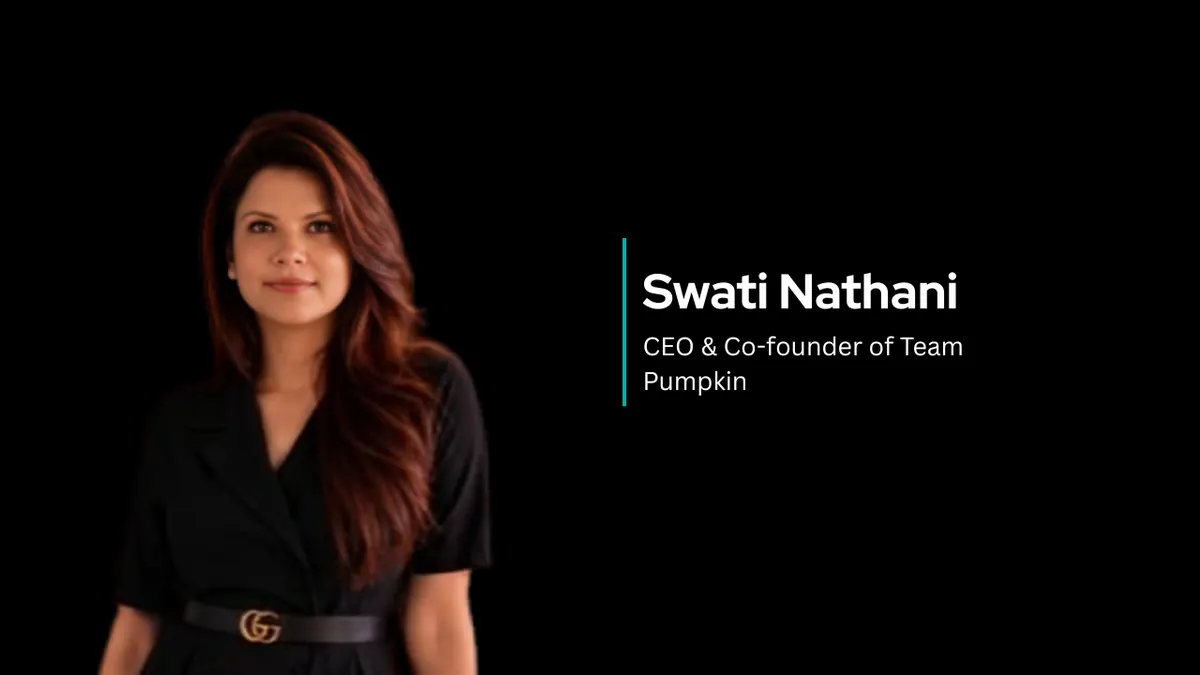
For years, festive marketing in India followed a predictable formula: one big idea, one big film, and one media plan designed to travel across the country. Diwali was Diwali, and the assumption was that the same emotional territory would work everywhere. That model is becoming increasingly difficult to sustain, according to Swati Nathani, CEO and Co-founder of Team Pumpkin.
Writing in a guest post for Social Samosa, Nathani argues that India does not have one festive culture. Ganesh Chaturthi, Onam, Durga Puja, Navratri, Pongal, Bihu, Eid, and countless other celebrations come with their own rituals, humour, social behaviour, and emotional significance. Brands are recognising this and becoming more regional in how they communicate. But there is a danger in confusing being regional with being culturally relevant.
The trap of culture as decoration
The easiest way to spot this problem, Nathani writes, is when culture becomes decoration. Add a diya, a saree, a few local words, or a familiar celebrity, and call it a regional campaign. But culture is not a visual language that can simply be picked up for a campaign. It is context.
If a brand wants to participate in Onam, for example, understanding what the festival means to people is far more important than putting a pookalam in the background. A Durga Puja campaign cannot be reduced to pandals and dhak beats. Before asking what to say, marketers need to understand why the audience is saying and doing what it is doing.
From translation to interpretation
Nathani believes regional marketing is moving from translation to interpretation. Earlier, localisation often meant taking a national campaign and translating the copy into different languages. Today, the opportunity is to retain a larger brand idea while allowing the insight, storytelling, and execution to change based on how people actually experience a cultural moment.
This principle extends beyond festive campaigns. Nathani cites Team Pumpkin’s work for Bikaji, which launched a campaign with Pankaj Tripathi alongside a new brand identity, with a sharper focus on the Uttar Pradesh market. The campaign used an integrated approach spanning performance, creator-led marketing, and social. The larger lesson was that regional relevance works best when communication is built around the audience and market, rather than simply localising a national message.
Real-world examples of audience-first localisation
A similar approach shaped work for Deccan and Prajavani, where the objective was to promote e-paper subscriptions. Instead of relying on a generic subscription message, the campaign used smart, comparative copy to highlight what set the publications apart from other newspapers. The communication was built around the way readers in those markets consume and evaluate news, making the product proposition itself feel more locally relevant.
The same principle shaped SPARSH Hospitals’ ‘Horn Don’t Maadi’ campaign in Bengaluru. Instead of taking a conventional heart-health message, the team rooted the conversation in an everyday local behaviour: unnecessary honking. Through offline activations, PR, an anthem film, and digital extensions, the campaign connected mindful commuting with heart health in a way that felt native to the city.
Datos clave
| Aspect | Traditional approach | Emerging approach |
|---|---|---|
| Strategy | One national campaign, translated | One brand idea, interpreted locally |
| Cultural element | Visual symbols (diya, saree, pandal) | Context, behaviour, emotional significance |
| Creative control | Central script, local execution | Local voices given room to interpret |
| Starting point | Festival calendar | Audience behaviour and needs |
The role of regional creators
Regional creators have an important role, Nathani notes. Someone who genuinely understands a community will know what feels natural, what feels dated, and importantly, what feels forced. But simply hiring a regional creator does not solve the problem. If the creator is handed a script and asked to deliver it in a local setting, the campaign is still centrally controlled. Real cultural relevance requires giving local voices enough room to interpret, not just execute.
The strongest cultural communication usually starts with the audience rather than the festival calendar. Instead of asking, “Which festival should we own?”, Nathani suggests the better question is: “What is happening in people’s lives around this moment, and do we have a genuine reason to be part of it?”
A common thread, not a common script
Does every region need a completely different campaign? Nathani does not think so. Trying to create hyper-local communication for every market can dilute a brand’s identity. The stronger model, in her view, is one clear brand thought interpreted through different cultural lenses: a common thread rather than a common script.
The real test, she writes, is simple: if you remove the brand logo from a regional campaign, does the idea still feel like it came from the culture it is trying to represent? If the answer is no, the localisation probably has not gone deep enough.
The brands that get regional marketing right will not necessarily be the ones that try hardest to look local. They will be the ones that understand the culture well enough to know where they belong, what they can genuinely add, and sometimes, when the smartest thing to do is not say too much at all.
Source: Social Samosa – https://www.socialsamosa.com/guest-post/festive-marketing-regional-can-brands-culturally-relevant-12672321