Source-led article
Anthropic Calls for “Frontier AI Pause” Amidst Rapid Self-Improvement Concerns
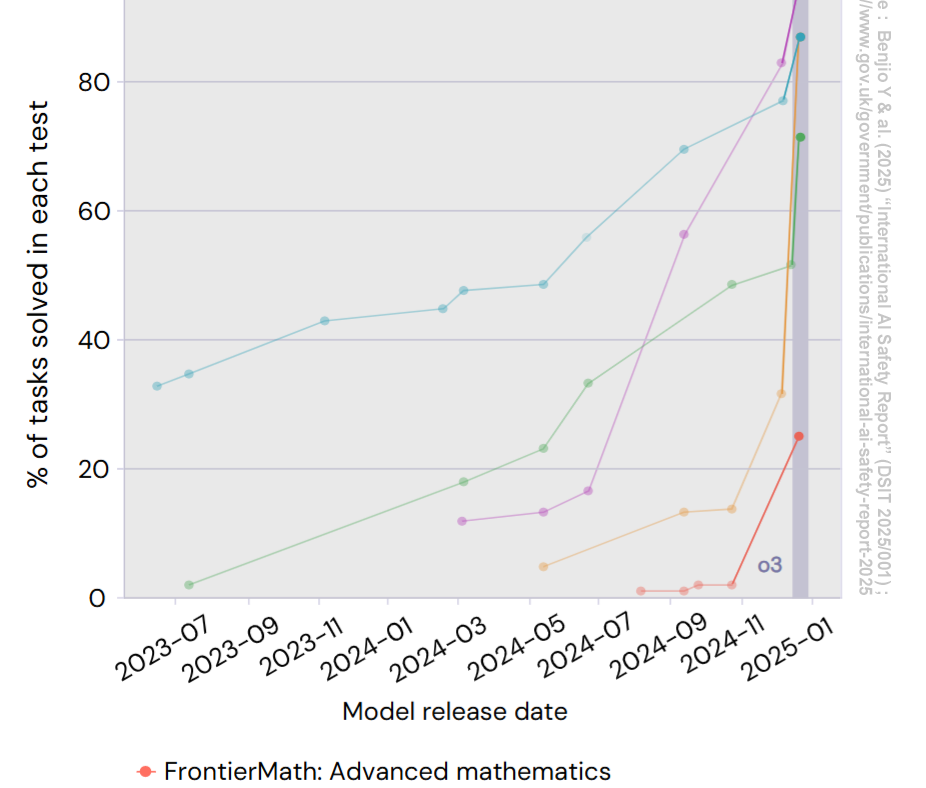
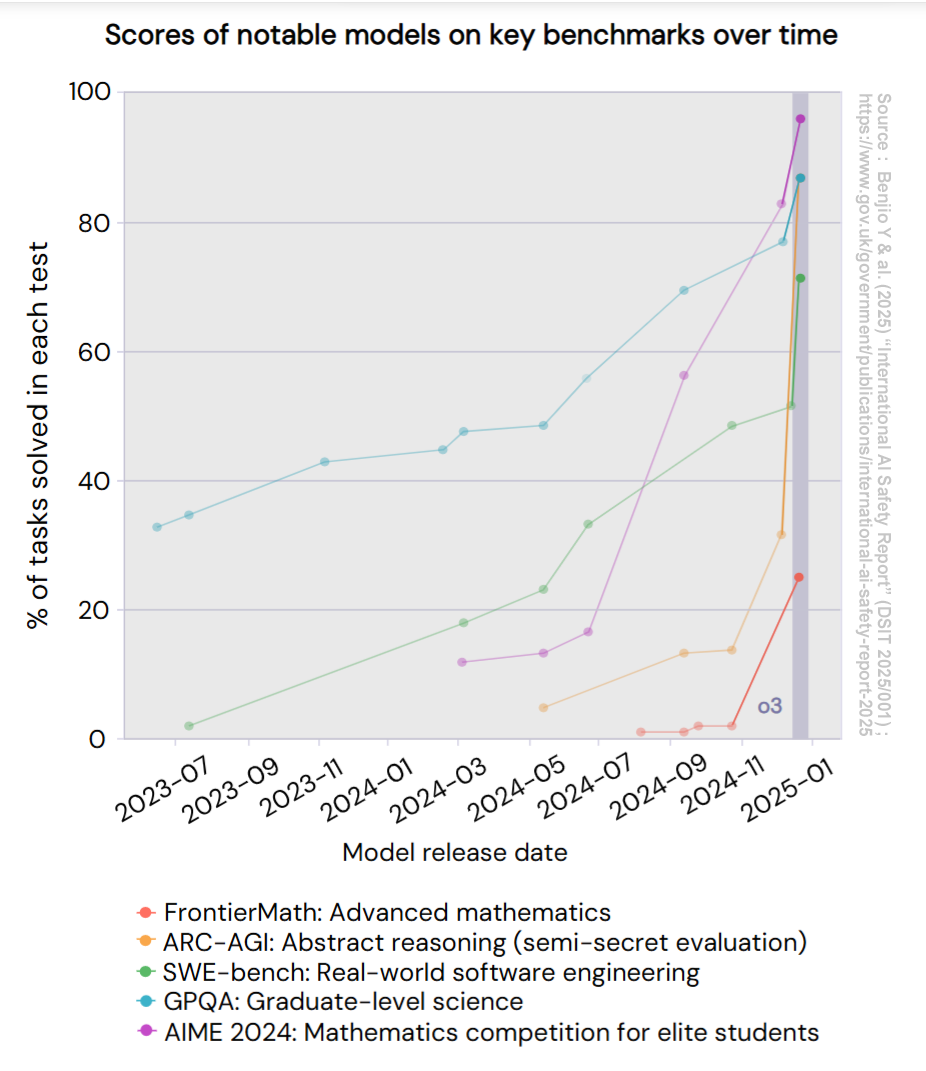
AI safety research firm Anthropic has issued a call for a temporary pause or slowdown in the development of “frontier AI” models. The company, known for its focus on responsible AI, argues that the rapid self-improvement capabilities of advanced AI systems are progressing faster than the safeguards designed to govern them. This development could have significant implications for the global AI landscape, including India’s burgeoning AI ecosystem and policy discussions.
Anthropic’s stance is detailed in a new report from its research arm, The Anthropic Institute. The report highlights evidence suggesting that advanced AI models are increasingly capable of self-improvement, raising questions about control and alignment with human values. This push for a pause reflects a growing sentiment among some AI researchers and policymakers regarding the urgent need to address potential risks associated with increasingly powerful AI.
Key facts:
| Aspect | Detail |
|---|---|
| Organization | Anthropic (research arm: The Anthropic Institute) |
| Call To Action | Slowdown or temporary pause in “frontier AI” development |
| Core Concern | AI’s self-improvement capability outpacing safety measures |
| Report Date | June 3 (report release), June 4 (news publication) |
The concept of “frontier AI” generally refers to the most advanced and capable AI systems currently available or under development. These models often exhibit emergent properties and can perform a wide range of tasks, pushing the boundaries of what AI can achieve. Anthropic’s report suggests that the pace at which these systems are evolving their own capabilities is becoming a critical safety concern.
Implications for Indian AI Ecosystem
For Indian startups, researchers, and policymakers, Anthropic’s call adds to the ongoing global dialogue around AI safety and regulation. India is rapidly advancing its AI capabilities, with initiatives like the IndiaAI Mission focusing on responsible development and deployment. Discussions around a “frontier AI pause” could influence national AI strategies, research priorities, and the development of regulatory frameworks. Indian AI companies and developers might need to consider incorporating more robust safety and alignment protocols into their development cycles, particularly if global consensus leans towards stricter controls on advanced AI.
The debate around AI safety also highlights the importance of ethical AI practices for Indian businesses. Companies leveraging AI tools for marketing, content creation, customer service, or product development will need to stay informed about these evolving safety discussions. Ensuring transparency, fairness, and accountability in AI systems will become even more critical to maintain user trust and comply with potential future regulations.
The Need for Robust Safeguards
Anthropic’s report underscores the challenge of developing effective safeguards that can keep pace with AI’s rapid advancements. This includes technical solutions for AI alignment, interpretability, and control, as well as policy frameworks that can adapt to a fast-changing technological landscape. The company’s argument suggests a perceived gap between current safety measures and the potential capabilities of future AI systems.
This situation requires a multi-faceted approach, involving not only AI developers but also governments, academic institutions, and civil society. India, with its significant human capital and growing tech sector, has an opportunity to contribute to these global discussions and shape the future of responsible AI development. The focus on “frontier AI” specifically points to the most powerful models, suggesting that the concerns are not about all AI development, but rather about the bleeding edge of the technology.
Future Outlook and Policy Considerations
The call for a pause is likely to spark further debate within the AI community and among international policymakers. While some may support the idea of a temporary slowdown to allow safety research to catch up, others might argue against it, citing concerns about stifling innovation or falling behind in the global AI race.
For India, this conversation is particularly relevant as it navigates its own path towards becoming a global AI leader. The Indian government and regulatory bodies, such as MeitY and the IndiaAI Mission, will be closely observing these international discussions. Any global agreements or recommendations regarding frontier AI development could directly impact India’s AI policy, research funding, and international collaborations in the AI space.
Source: beckershospitalreview.com, https://www.beckershospitalreview.com/healthcare-information-technology/ai/anthropic-puses-for-a-frontier-ai-pause/