Source-led article
Trump Administration Considers Equity Stake in OpenAI, Proposing “Public Wealth Fund” for AI Benefits
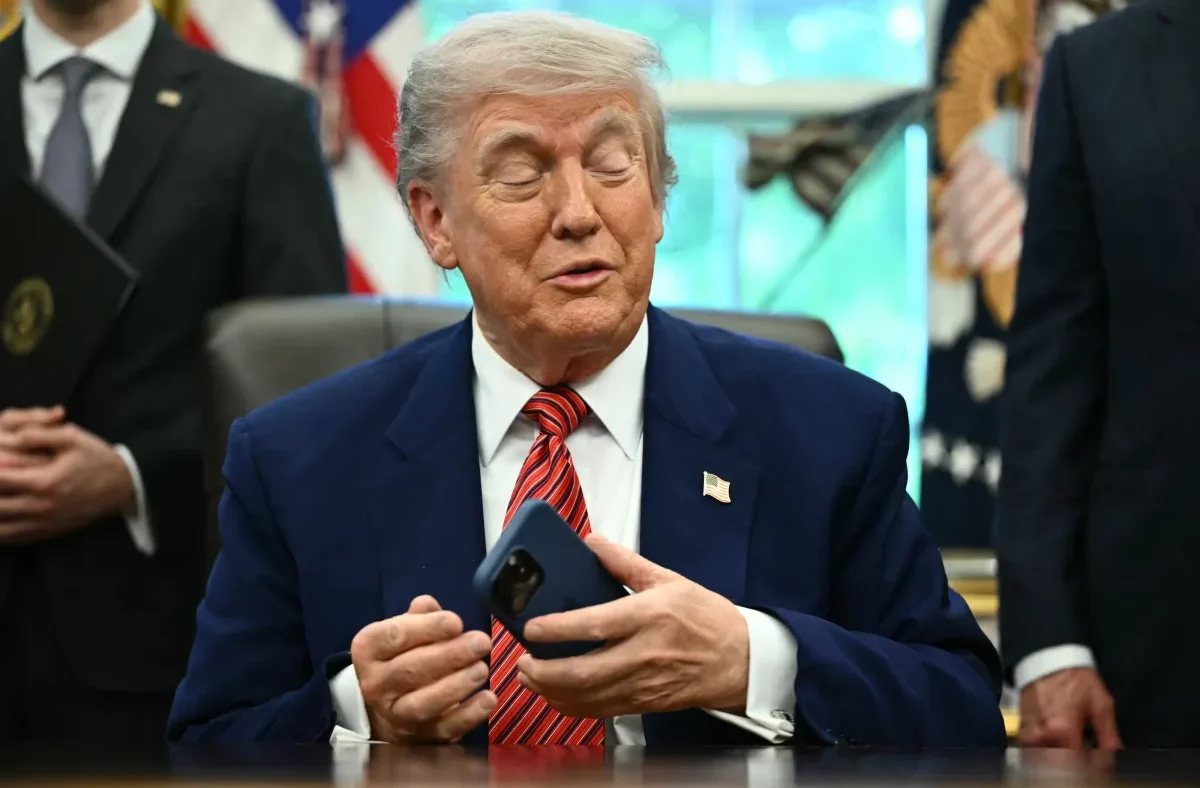
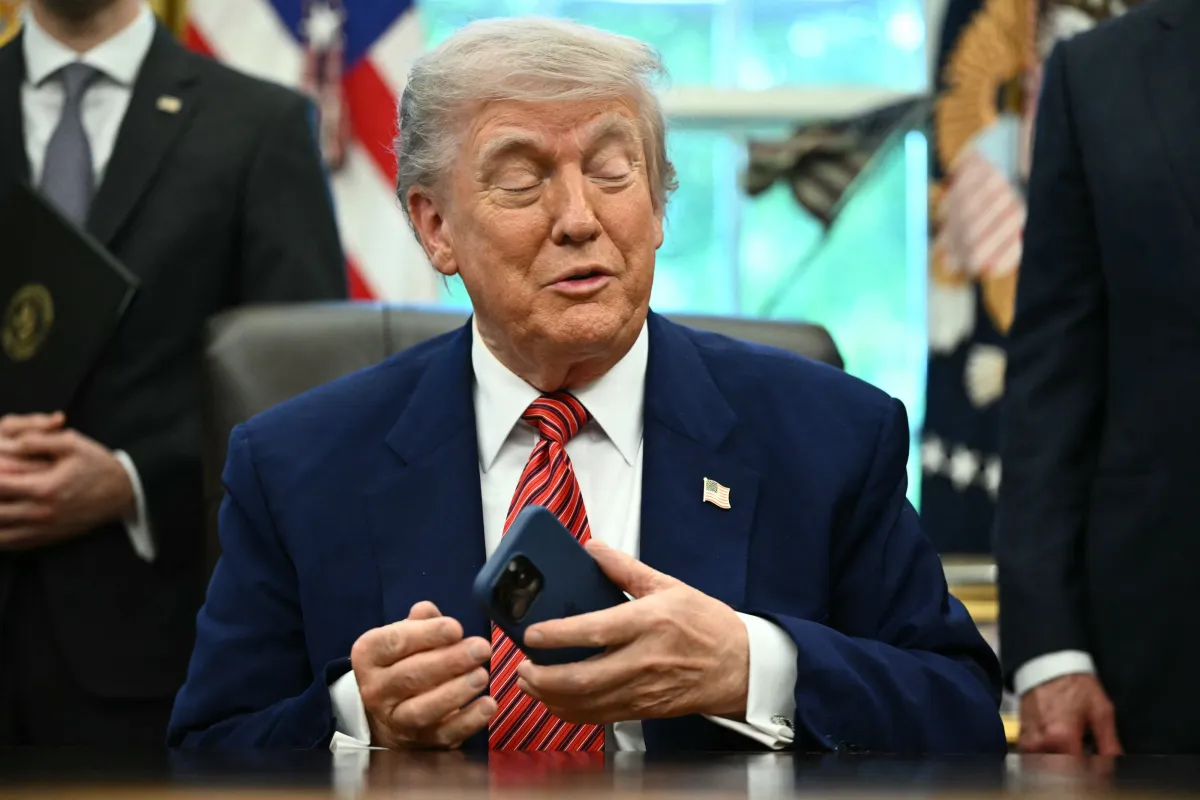
President Donald Trump has indicated ongoing discussions with AI companies regarding deals designed to ensure “the American people can benefit from the success of AI.” While specific companies were not named in his public comments, reports from CNBC suggest that the Trump administration is actively discussing an equity stake with OpenAI. This move aligns with a broader concept of government involvement in major AI players, reflecting a growing global debate on how the economic benefits of advanced AI should be distributed.
The discussions reportedly include using some of this potential equity to seed a “Public Wealth Fund,” an idea previously proposed by OpenAI itself. Such a fund, as outlined by the company, could directly distribute proceeds to citizens, aiming to democratize participation in AI-driven economic growth regardless of individual wealth or access to capital. This development comes amidst increasing scrutiny and proposals from various political spectrums on how to manage the economic and societal impact of rapidly advancing AI technologies.
Key facts
| Feature | Detail |
|---|---|
| Proposed Action | US government (Trump administration) considering an equity stake in OpenAI |
| Funding Mechanism | Potential “Public Wealth Fund” seeded by this equity |
| Beneficiary Goal | Distribute AI-driven growth benefits directly to US citizens |
| Broader Context | Growing global debate on public participation and government oversight in AI companies |
Governmental Interest in AI Companies
The idea of government ownership or a significant stake in strategic companies is not new. Bloomberg reported that President Trump has been discussing concepts where “pieces could be given to the American public,” making them “partners with the companies.” This echoes his administration’s previous interest in government ownership of for-profit entities, such as the reported 10% stake taken in chipmaker Intel last year.
This approach has also found resonance across the political aisle. Senator Bernie Sanders recently proposed a one-time, 50% tax on companies like OpenAI, Anthropic, and xAI, payable in stock. Sanders argues that such a tax would “give the public a direct role in determining the future of this technology” and “guarantee that the trillions of dollars potentially generated by A.I. are used to improve the lives of all of us.” With several major AI companies potentially going public this year, these proposals highlight a concerted effort to ensure public benefit from the AI boom.
Implications for India’s AI Ecosystem
For Indian founders, AI developers, and policy makers, these discussions in the US are highly relevant. While the direct impact on India is not immediate, the precedent set by a major global power like the US in potentially taking equity in a leading AI firm could influence future regulatory and investment frameworks worldwide.
Indian startups and AI companies looking for global investment or partnerships might need to consider how such government interventions could shape the competitive landscape and funding environment. Policy discussions in India, particularly around the IndiaAI Mission and the ethical deployment of AI, could draw parallels or contrasts with these US proposals. The concept of a “Public Wealth Fund” or similar mechanisms to distribute AI benefits could also spark conversations within India regarding equitable access to AI’s economic advantages and the role of the government in fostering inclusive growth.
The debate also underscores the increasing strategic importance of AI, elevating it to a sector where national interests and public welfare are seen as paramount. Indian tech and startup media, as well as digital marketing professionals, should closely monitor these developments for insights into future global AI governance and economic models.
Concerns and Criticisms
Not all reactions to these proposals are positive. David Sacks, an investor and former advisor to Trump, acknowledged the appeal of Sanders’ idea but warned of accelerating “corporate-government fusion.” This sentiment reflects concerns about potential government overreach, stifling innovation, or creating undue influence over private companies. The balance between public benefit and maintaining a dynamic, competitive private sector remains a critical point of contention in these discussions. Former Microsoft employee Dare Obasanjo also suggested on social media that this groundwork could be seen as a “government bailout of OpenAI.”
These developments highlight the complex and evolving relationship between governments, private AI companies, and the public interest. As AI continues its rapid advancement, the global community, including India, will be watching closely to see how these intricate issues are navigated.
Source: TechCrunch AI – https://techcrunch.com/2026/06/06/the-trump-administration-might-take-an-equity-stake-in-openai/